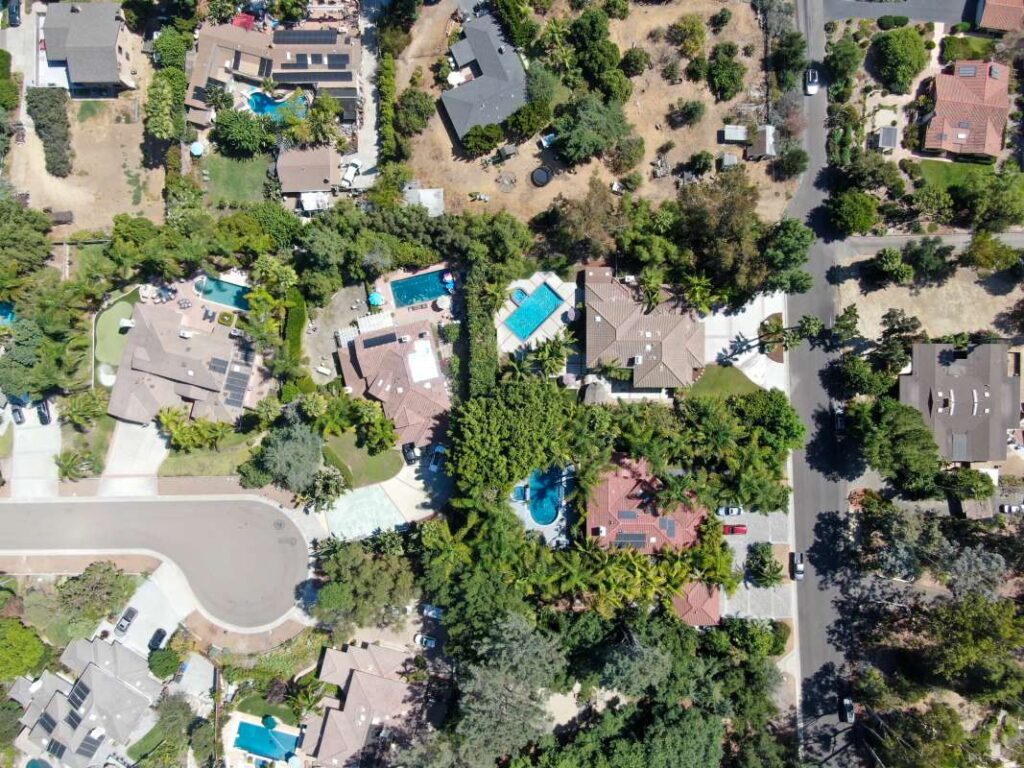
Why are some neighborhoods willing to pay higher service rates? This blog post explores the dynamics influencing service costs in various communities.
Why Some Neighborhoods Support Higher Service Rates
In today’s competitive marketplace, the discrepancy in service rates across different neighborhoods is a topic of considerable intrigue. Why do some communities willingly pay higher rates for services while others resist? Understanding this phenomenon requires an exploration of various factors, including demographics, local economy, and the perceived value of services offered. This blog post delves into the reasons behind these differences, providing insights for service providers and residents alike.
The landscape of service pricing is not uniform and can vary significantly, even within the same city. Factors such as neighborhood demographics, income levels, and cultural attitudes towards spending all play critical roles in determining how much residents are willing to pay for services. For example, a neighborhood characterized by higher income levels often shows a propensity to spend more on services, as residents may prioritize quality and convenience over cost. This willingness can create a favorable environment for service providers to charge premium rates.
Moreover, the local economy heavily influences service rates. Neighborhoods with thriving businesses and higher employment rates typically experience increased demand for services, allowing providers to adjust their pricing accordingly. This correlation between economic stability and service pricing can lead to noticeable differences in charges across various areas. Understanding these dynamics is crucial for businesses aiming to establish themselves in different neighborhoods.
The Impact of Demographics on Service Rates
Demographics serve as a key indicator of how much a neighborhood is willing to pay for services. Communities with a higher concentration of affluent residents often exhibit a greater willingness to invest in premium services. Such neighborhoods may prioritize convenience, personalized care, or specific service attributes that justify the higher rates. For instance, in neighborhoods with substantial disposable incomes, service providers can offer specialized services that cater to discerning consumers.
Furthermore, demographic factors extend beyond income levels to include age, lifestyle preferences, and cultural attitudes towards spending. For example, younger generations may favor experiences over material possessions, leading them to invest more in services that enhance their lifestyle. On the other hand, families might prioritize reliability and quality, making them more likely to choose established service providers—even if it means paying higher rates.
Neighborhood Culture and Attitude Towards Spending
In addition to demographics, neighborhood culture significantly shapes attitudes towards spending. Communities that value quality and service often see higher rates for offerings such as landscaping, home cleaning, and pool maintenance. Residents in these areas might associate higher costs with superior quality, leading them to choose providers based on reputation rather than price alone.
Take, for example, the affluent neighborhoods of Los Angeles, where residents may prioritize eco-friendly landscaping and premium pool services. These residents are willing to pay more for sustainability and aesthetics, knowing that it enhances their property value. This cultural inclination towards quality creates a conducive environment for service providers to thrive, enabling them to offer specialized services at elevated rates.
Economic Drivers Behind Higher Service Rates
Economic factors such as property values and local job markets play pivotal roles in the willingness of neighborhoods to support higher service rates. Areas with booming real estate markets often see service rates rise in tandem with property values. For instance, neighborhoods undergoing gentrification typically experience shifts in demographics and economic activity, prompting service providers to hike their rates to match the growing demand.
Additionally, neighborhoods with a robust job market may attract residents willing to pay a premium for services that enhance their quality of life. In such areas, service providers can capitalize on the increased demand by offering customized options that align with the unique preferences of local residents. This can include tailored home maintenance packages, concierge services, and specialized cleaning services, further driving up service rates.
Perceived Value of Services
The perceived value of services plays a crucial role in justifying higher rates. When residents believe that the service they are receiving offers significant benefits—whether through improved convenience, enhanced results, or better customer service—they are more likely to accept increased pricing. This perception of value can stem from various sources, including recommendations, online reviews, and brand reputation.
In neighborhoods where residents are more discerning about the quality of services, businesses that prioritize customer experience tend to thrive. For example, pool service providers that offer comprehensive maintenance packages and superior customer service can command higher rates, as residents recognize the added value of a hassle-free experience and long-term maintenance solutions.
Case Study: Florida and Texas Neighborhoods
To illustrate the factors influencing service rates, let’s explore some neighborhoods in Florida and Texas. Consider neighborhoods like Coral Gables in Florida, known for its luxury homes and affluent residents. Service providers in this area often offer premium services at higher rates due to the high demand for quality and aesthetics. Residents here are willing to invest in landscaping and pool maintenance that enhances their property’s appeal and value.
Similarly, in Texas, neighborhoods like Highland Park in Dallas exhibit a robust market for higher service rates. Homeowners in this area often desire customized services that cater to their unique lifestyles, making them more receptive to paying premium prices. The local economy, coupled with the cultural emphasis on quality living, creates an environment where service providers can flourish.
Real Estate Trends and Their Influence
Real estate trends can directly impact service rates in various neighborhoods. In areas experiencing rapid growth or revitalization, service providers may face increased competition, which can drive rates higher. On the flip side, established neighborhoods may see service rates stabilize as competition levels off, leading to a more predictable pricing structure.
For example, neighborhoods undergoing significant development often attract new residents willing to pay higher rates for services that meet their evolving needs. This trend can lead to increased demand for maintenance services, such as pool cleaning or landscaping, as new homeowners seek to make their properties move-in ready. Consequently, service providers can leverage these trends to adjust their pricing strategies accordingly.
Best Practices for Service Providers
For service providers looking to thrive in neighborhoods that support higher rates, understanding the local dynamics is essential. Here are some best practices to consider:
- Conduct market research to gauge local demographics and spending behaviors.
- Focus on building a strong brand reputation that emphasizes quality and reliability.
- Offer personalized service packages that cater to the unique needs of residents.
- Utilize customer feedback to continually improve and adapt services to meet evolving expectations.
By implementing these strategies, service providers can position themselves to maximize their offerings in neighborhoods willing to pay higher rates, ultimately leading to greater success in a competitive marketplace.
Conclusion
Understanding why some neighborhoods support higher service rates involves exploring a range of factors, from demographics and local economies to cultural attitudes and perceived value. As neighborhoods continue to evolve, service providers must adapt their strategies to meet the specific needs and desires of local residents. By recognizing these dynamics, businesses can effectively position themselves to thrive in higher-priced markets.
For entrepreneurs looking to enter the pool service industry, understanding community dynamics is crucial. With options like purchasing established pool routes for sale, service providers can jumpstart their businesses in lucrative neighborhoods. Explore our offerings at [Pool Routes for Sale](https://pool-routes-for-sale.com/) and discover how you can find your ideal business opportunity today!