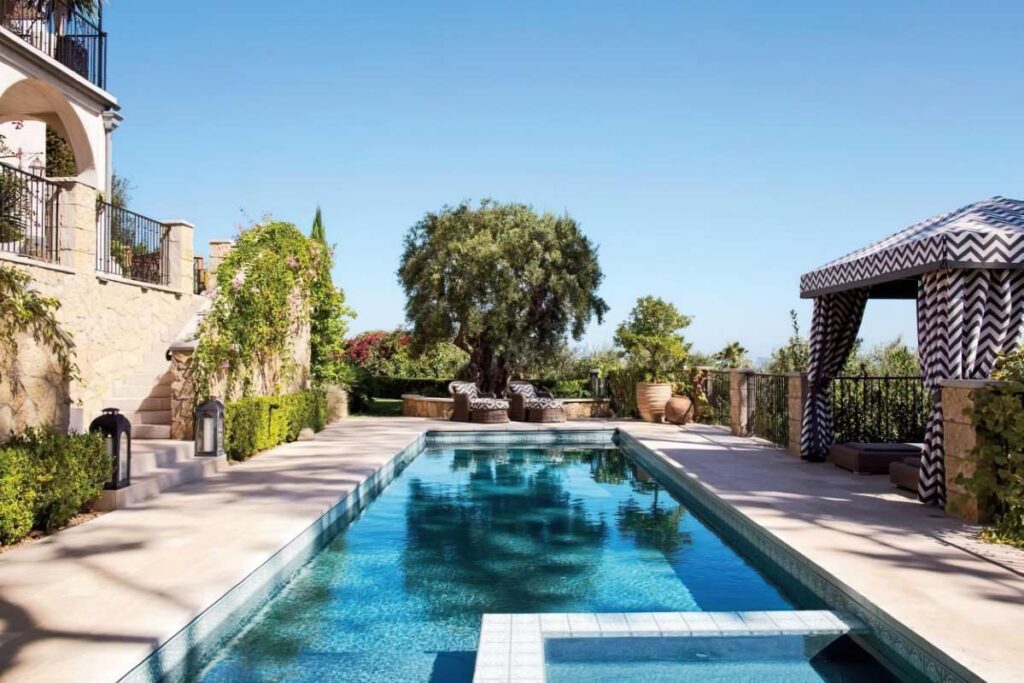
Why Shade Structures Affect Pool Temperatures: Discover how shade structures can significantly influence your pool’s temperature, comfort, and energy efficiency.
Why Shade Structures Affect Pool Temperatures
Understanding the dynamics of pool temperatures is essential for homeowners and pool service professionals alike. One often overlooked element that plays a crucial role in regulating pool temperatures is the presence of shade structures. In this article, we will explore how shade structures impact pool temperatures, the science behind these effects, and practical insights on how to optimize your pool environment.
As temperatures rise during the summer months, many pool owners search for ways to maintain a comfortable swimming environment. Shade structures, such as pergolas, umbrellas, and canopies, offer not only aesthetic appeal but also practical benefits. The relevance of this topic extends beyond mere comfort; it encompasses energy efficiency, maintenance, and overall enjoyment of your pool area. We will delve into the specific ways that shade structures can alter pool temperatures and provide actionable tips for maximizing their benefits.
The Science Behind Shade and Pool Temperatures
The primary way shade structures affect pool temperatures is through the reduction of direct sunlight exposure. When sunlight strikes the surface of water, it transfers heat energy, raising the water temperature. Studies show that pools exposed to direct sunlight can be significantly warmer than those shaded by structures, resulting in temperature differences of several degrees.
For instance, a study conducted by the American Society of Heating, Refrigerating and Air-Conditioning Engineers (ASHRAE) found that shaded pools maintained an average temperature of 5-10 degrees Fahrenheit cooler than those fully exposed to the sun. This is particularly beneficial for families with young children or elderly members who are more sensitive to heat. Understanding these dynamics allows pool owners to make informed decisions regarding the placement and type of shade structures to implement.
Types of Shade Structures and Their Impact
Not all shade structures are created equal; the type and design can significantly influence the extent of temperature control. For example, solid canopies or pergolas provide more substantial shade compared to canvas umbrellas. The material used also matters; reflective materials can further reduce heat absorption.
Consider a scenario where a pool is equipped with a cantilever umbrella that rotates to provide shade throughout the day. Not only does this enhance comfort for swimmers, but it also prevents the water temperature from rising excessively, reducing the need for energy-intensive cooling methods. On the other hand, a fixed pergola may offer consistent shade, ideal for setting up lounge areas and outdoor furniture, making it a versatile addition to any pool setting.
Comparative Analysis Between Shaded and Unshaded Pools
When comparing the benefits of shaded versus unshaded pools, it’s essential to consider both short-term and long-term impacts. In the short term, shaded pools offer immediate relief from heat, allowing for extended swimming times and increased enjoyment throughout the day.
However, the long-term benefits are equally compelling. A shaded pool reduces the frequency of water evaporation, minimizing water loss and chemical consumption, such as chlorine. This not only contributes to lower maintenance costs but also helps maintain the pool’s overall health. According to a report by the National Swimming Pool Foundation, shaded pools require less chemical balancing and significantly reduce the likelihood of algae growth, leading to cleaner and more inviting swimming conditions.
Practical Applications for Pool Owners
Understanding the impact of shade structures on pool temperatures offers practical applications for homeowners. First, consider the orientation of your pool and the available space for installing shade structures. If your pool is situated in an area with significant exposure to sunlight during peak hours, incorporating structures such as awnings or retractable shades can be incredibly effective.
Additionally, homeowners should consider the materials used for these structures. Materials that reflect solar rays, such as aluminum or specialized fabrics, can enhance the cooling effect. Investing in high-quality, durable shade solutions can yield long-lasting benefits, ensuring both comfort and energy efficiency for years to come.
Additional Benefits of Shade Structures
Beyond temperature regulation, shade structures provide numerous other benefits. They offer protection from harmful UV rays, significantly reducing the risk of sunburn and skin damage for swimmers. According to the Skin Cancer Foundation, up to 80% of UV rays can penetrate through clouds, making shaded areas essential for safe outdoor enjoyment.
Moreover, shade structures enhance the aesthetic appeal of your pool area. They can transform a simple swimming space into a luxurious retreat, providing a perfect backdrop for social gatherings and family activities. Homeowners can choose from various designs, colors, and materials to match their outdoor decor, creating a cohesive and inviting environment.
Choosing the Right Shade Structure for Your Pool
When selecting a shade structure, consider factors such as the size of your pool, local climate, and intended use. For larger pools, a combination of different structures—such as permanent gazebos paired with movable umbrellas—can provide optimal coverage throughout the day.
It’s also worth noting that some shade solutions can be designed to complement energy-efficient pool heating systems. By preventing excessive heat from penetrating the water, these structures can enhance the performance of heating systems, resulting in lower energy costs and improved sustainability.
Case Study: Successful Shade Implementation
To illustrate the practical benefits of shade structures, let’s consider a case study involving a family pool in Houston, Texas. The homeowners installed a large cantilever umbrella that provided coverage for most of the pool area. Over the summer months, they reported an average temperature reduction of 8 degrees Fahrenheit in the pool.
Additionally, they experienced a remarkable decrease in water evaporation and chemical use, leading to savings on maintenance costs. This case exemplifies how strategic investments in shade structures can yield tangible financial and comfort benefits for pool owners.
The Future of Pool Shade Structures
As technology advances, the future of pool shade structures looks promising. Innovative designs that incorporate solar panels or smart controls will allow homeowners to maximize energy efficiency while enjoying the benefits of shade. These advancements not only address comfort and aesthetics but also contribute to environmentally-friendly practices in pool management.
Moreover, the trend toward eco-friendly materials will likely continue, with an emphasis on sustainable practices in manufacturing shade structures. As consumers become more environmentally conscious, the demand for products that enhance both comfort and sustainability will grow.
Conclusion
In summary, the impact of shade structures on pool temperatures is profound, affecting not only comfort levels but also maintenance costs and overall pool health. By understanding how different types of shade can regulate temperatures, pool owners can make informed decisions that enhance their swimming experience.
The significance of shade structures extends beyond immediate benefits; they offer long-term advantages that contribute to an enjoyable and energy-efficient pool environment. As you contemplate your options, consider how investing in quality shade solutions can transform your pool area into a refreshing oasis. For those looking to expand their pool service ventures or explore pool routes for sale, understanding these nuances can provide a competitive edge in the thriving pool maintenance industry.
For further insights and options, explore [Pool Routes for Sale](https://pool-routes-for-sale.com/) to discover lucrative opportunities in the pool business.