Discover how poor water flow leads to persistent algae issues and learn practical solutions to maintain a clean and healthy aquatic environment.
Why Poor Water Flow Causes Persistent Algae Issues
In the realm of pool maintenance and aquatic environments, understanding the dynamics of water flow is crucial. Poor water flow can be a silent but deadly contributor to persistent algae issues, leading to unsightly green pools and unhealthy swimming conditions. This blog post delves into the connection between inadequate water circulation and algae growth, exploring its implications for pool owners and service professionals alike. We will cover the causes of poor water flow, the types of algae it promotes, and practical solutions for maintaining optimal water quality.
Understanding the relationship between algae and water flow is essential for anyone involved in pool management. Algae thrive in still, stagnant water, making poor circulation a prime breeding ground for these troublesome organisms. This article aims to provide you with insights and actionable tips to combat algae issues effectively, ensuring a clear and inviting swimming space.
The Mechanics of Water Flow in Pools
Water flow in pools is primarily managed through pumps and circulation systems, which ensure that water is constantly moving and filtered. When these systems fail or are inadequately designed, certain areas of the pool can become stagnant, leading to a favorable environment for algae to flourish. Research indicates that pools with poor circulation are up to 50% more likely to experience algae growth than properly maintained pools.
For example, if a pool pump is undersized or malfunctioning, it may not effectively circulate water throughout the entire pool. Additionally, poor placement of return jets can create “dead zones” where water doesn’t circulate adequately. These dead zones become hot spots for algae growth, particularly in warm weather when algae thrive. Maintaining an effective water circulation system is vital for preventing these issues.
Types of Algae: A Closer Look
There are several types of algae that can proliferate in pools with poor water flow, each presenting unique challenges. The most common types include green algae, black algae, and mustard algae. Green algae, which is the most recognizable, can turn a clear pool into a murky green mess in just a few days. Black algae, on the other hand, can be tougher to eliminate due to its strong root structure that clings to pool surfaces.
Mustard algae, often mistaken for sand or dirt, can also thrive in low-circulation areas. Each of these algae types not only detracts from the visual appeal of a pool but can also pose health risks to swimmers. It’s essential to understand these varieties to develop effective prevention and treatment strategies.
The Economic Impact of Algae Issues
The presence of algae can have significant economic implications for pool owners. First, the cost of maintenance skyrockets when dealing with algae infestations. Regular chemical treatment, increased water usage, and the potential need for resurfacing due to damage from persistent algae can strain budgets. According to industry studies, pool owners spend an average of 20% more on maintenance when algae issues are present.
Furthermore, the visibility of algae can deter potential customers for pool service businesses. Service professionals who are unable to provide clean, algae-free pools risk losing clients to competitors. Therefore, understanding and addressing poor water flow becomes not just a matter of aesthetics but also a crucial aspect of financial sustainability in the pool maintenance industry.
Practical Solutions to Enhance Water Flow and Combat Algae
Addressing poor water flow can significantly reduce the risk of algae growth. Here are several practical solutions to consider:
- Regular Maintenance: Ensure that pumps are regularly serviced and functioning optimally. Check for clogs and wear that might impede water flow.
- Optimize Jet Placement: Position return jets to create effective circulation patterns throughout the entire pool. This can eliminate dead zones where algae thrive.
- Increase Pump Capacity: In some cases, upgrading to a more powerful pump can significantly improve circulation, reducing the potential for stagnant water.
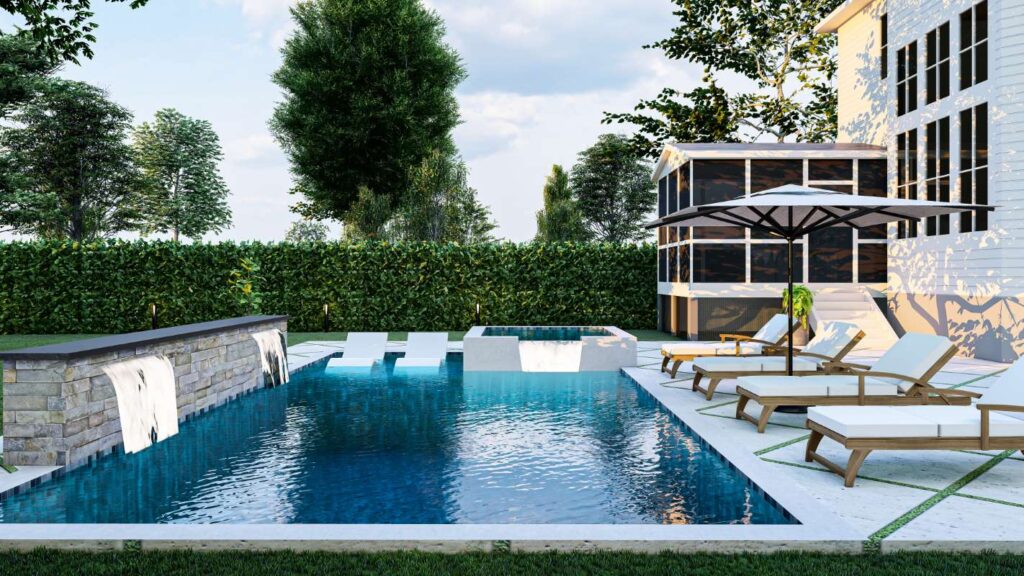
Moreover, incorporating water features such as waterfalls or fountains can not only enhance aesthetics but also improve circulation by agitating the water surface and increasing movement. This added circulation can help prevent the conditions that allow algae to settle and grow.
The Role of Chemical Balance
While improving water flow is critical, maintaining proper chemical balance is equally important in preventing algae growth. Regularly test for pH, alkalinity, and chlorine levels, ensuring they remain within optimal ranges. Algae thrive in poorly balanced water, so keeping these metrics in check is vital for pool upkeep.
For example, if chlorine levels drop too low, it can lead to algae bloom. Regularly shocking the pool, especially after heavy usage or rain, can help maintain adequate chlorine levels and prevent algae from establishing itself. A comprehensive approach that combines water flow optimization with effective chemical management will yield the best results.
Education and Training for Pool Service Professionals
For pool service professionals, understanding the interplay between water flow and algae is essential for providing superior service. Training programs that emphasize the importance of water circulation, chemical balance, and algae identification can empower technicians to better serve their clients.
Such educational initiatives can also enhance customer trust, as homeowners appreciate knowledgeable professionals who can effectively address their pool maintenance needs. Investing in training for staff not only improves service quality but also contributes to the long-term success of a pool service business.
Conclusion
In conclusion, the relationship between poor water flow and persistent algae issues is a critical concern for pool owners and service professionals alike. By understanding the mechanics of water circulation, identifying different types of algae, and implementing practical solutions, it is possible to maintain a clean and inviting swimming environment. The economic implications of algae infestations further underscore the importance of addressing the root causes effectively.
At Tower Business Brokers, we specialize in connecting entrepreneurs with profitable pool routes that offer immediate income potential. Understanding the intricacies of pool maintenance is vital for success in this industry. If you’re looking to invest in a pool service business or need expert assistance, don’t hesitate to explore our available [Pool Routes for Sale](https://pool-routes-for-sale.com/).
Contact us today to learn more about how we can help you navigate the pool maintenance industry and ensure your business thrives while keeping aquatic environments healthy and beautiful.