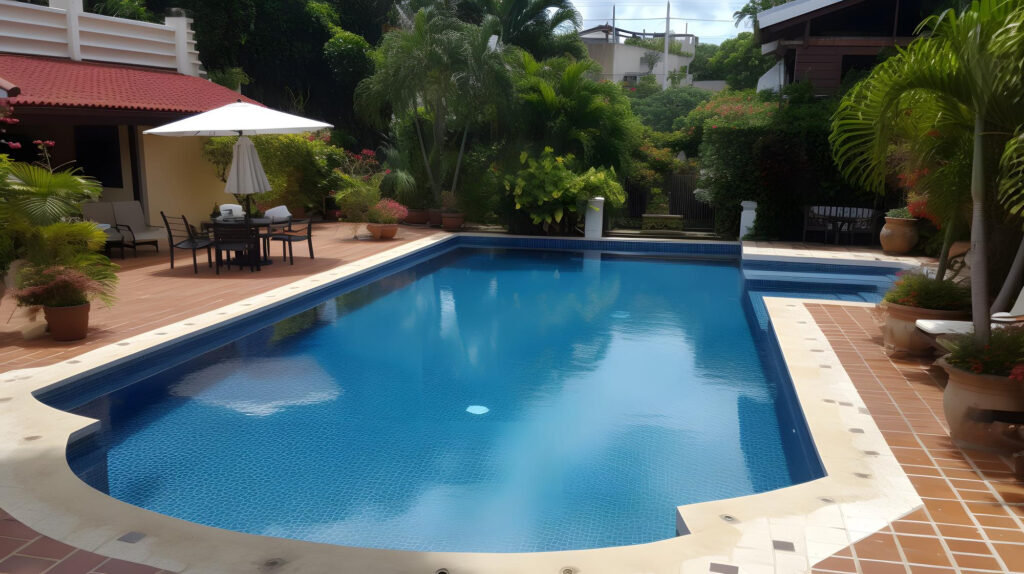
Discover the surprising reasons why pools turn green faster in certain neighborhoods and learn how to keep your pool pristine.
Why Pools Turn Green Faster in Certain Neighborhoods
Have you ever noticed that some neighborhoods have pools that turn green faster than others? Understanding the factors contributing to this phenomenon can help pool owners maintain their pools more effectively and enjoy a clean, inviting swimming environment. This blog post will explore the reasons behind the rapid onset of green pool water, including environmental factors, neighborhood practices, and maintenance habits. Additionally, we will provide actionable tips on how to prevent your pool from turning green, ensuring it remains a refreshing oasis.
The color of your pool water plays a crucial role in not only the aesthetic appeal but also the overall health of the water. When pools turn green, it typically indicates an algae bloom, which can result from various environmental and maintenance factors. In areas where pools turn green more quickly, there are often underlying reasons that can be addressed with effective management and care. This blog will cover several key factors, including water quality, neighborhood practices, pool maintenance routines, and geographic influences.
The Role of Water Quality
Water quality is paramount when it comes to keeping your pool clear and free from algae. Factors such as pH levels, chlorine levels, and overall chemical balance significantly affect the clarity of your pool water. In neighborhoods with poor water quality, pools are more susceptible to algae growth, leading to a green appearance.
For example, if the water supply in a particular area contains high levels of phosphates or nitrates, these nutrients can fuel algae growth. Regular testing of your water chemistry is essential, especially in neighborhoods where water quality might be compromised. To maintain optimal water quality, pool owners should regularly check and adjust pH levels, alkalinity, and chlorine levels. This proactive maintenance can make a significant difference in preventing algae blooms.
Moreover, in neighborhoods with a higher density of trees or vegetation, leaves and organic debris can accumulate in pools. This organic matter can decompose and contribute to the growth of algae if not properly managed. Regular skimming and cleaning will help keep these environments in check.
Neighborhood Practices and Pool Ownership
The practices of pool owners in a neighborhood can greatly influence how quickly pools turn green. In communities where residents are diligent about maintenance, the collective effort can lead to better water quality across the board. Conversely, if many homeowners neglect their pool care, it can create a breeding ground for algae spores.
For instance, neighborhoods that experience frequent power outages or water supply interruptions may lead to inconsistent chemical balancing in pools. Without proper circulation and filtration, water stagnates, making it an ideal environment for algae to thrive. Community awareness and education about pool maintenance can play a significant role in encouraging residents to adopt best practices.
Additionally, local regulations or associations may dictate specific guidelines for pool upkeep. Adhering to these regulations and participating in community initiatives can foster a healthier environment for all pools in the area. Joining forces with neighboring pool owners to conduct seasonal clean-ups and maintenance days can also be beneficial.
Geographic Influences on Pool Conditions
The geographic location of a neighborhood can significantly impact how pools fare against algae. Regions with warmer climates typically see a faster growth rate of algae due to higher temperatures and prolonged sunlight exposure. In areas like Florida and Texas, where summer temperatures can soar, pool owners must be extra vigilant in their maintenance routines.
Moreover, neighborhoods in coastal regions may deal with additional challenges, such as saltwater intrusion or humidity, which can further exacerbate algae growth. Understanding the specific challenges posed by your geographic location allows pool owners to tailor their maintenance practices accordingly. For instance, using algaecides or adjusting the frequency of chemical treatments may be necessary in areas prone to algae issues.
Seasonal changes can also affect pool maintenance. For example, during the summer months, increased pool use may require more frequent cleaning and chemical adjustments. Conversely, in winter, pools that are not properly winterized can develop algae issues due to stagnation. Each neighborhood presents unique challenges, and it’s essential to be aware of these geographic influences on pool health.
Maintenance Routines and Their Impact
The frequency and thoroughness of pool maintenance routines directly impact how quickly a pool turns green. Regular cleaning, vacuuming, and chemical balancing are vital to maintaining clear water. In neighborhoods where residents adopt a ‘set it and forget it’ attitude towards pool care, algae growth can escalate rapidly.
A well-maintained pool should be vacuumed at least once a week, and skimming should be done daily to remove debris. Additionally, homeowners should regularly check and maintain their pool’s filtration system, ensuring proper circulation of water. If filters are clogged or not functioning correctly, stagnant water can quickly become a breeding ground for algae.
Furthermore, investing in automatic pool cleaners can save time and ensure that maintenance is consistent. Automatic systems can provide more thorough cleaning compared to manual efforts, especially in larger pools. By committing to a solid maintenance routine, pool owners can mitigate the risk of algae growth and keep their pools sparkling clean.
Practical Tips for Keeping Your Pool Clear
Now that we’ve explored the various factors influencing why pools turn green faster in certain neighborhoods, let’s dive into some practical strategies for combating this issue. Here are a few actionable tips to ensure your pool remains a clear and inviting space:
- Regularly test your water chemistry and adjust chemicals as needed. Aim for a pH level between 7.4 and 7.6 to optimize chlorine effectiveness.
- Keep your pool clean by skimming daily and vacuuming weekly. Removing organic debris can prevent algae from taking hold.
- Ensure your filtration system is running efficiently. Clean or replace filters as necessary to maintain proper water circulation.
- Consider using algaecides as a preventive measure, especially during warmer months when algae growth is more likely.
- Educate yourself and fellow pool owners in your neighborhood about maintenance practices to create a community of informed pool caretakers.
Exploring Pool Route Investment Opportunities
If you’re considering entering the pool maintenance industry, understanding the dynamics of neighborhoods can be advantageous. Investing in established pool routes can provide immediate revenue and a loyal customer base. At [Tower Business Brokers](https://pool-routes-for-sale.com/), we specialize in connecting entrepreneurs with lucrative pool routes for sale in Florida and Texas.
By acquiring a pool route, you gain access to an existing customer base that has already been nurtured, allowing you to focus on providing excellent service rather than building a clientele from scratch. Moreover, the transparency and support offered by our team can simplify your journey into pool route ownership.
Whether you’re an entrepreneur looking to dive into a new venture or an existing pool service owner aiming to expand, exploring available pool routes can yield significant benefits. With comprehensive training and ongoing support, you can navigate the challenges of the pool maintenance industry with confidence.
The Future of Pool Maintenance
The pool maintenance industry is evolving with new technologies and practices designed to enhance efficiency and sustainability. As environmental concerns grow, pool owners are increasingly interested in eco-friendly maintenance solutions. This includes utilizing solar pool heaters, energy-efficient pumps, and environmentally safe chemicals.
In addition, automated systems for monitoring water quality can help pool owners maintain optimal conditions without extensive manual effort. By embracing these innovations, pool owners can not only keep their pools clear but also reduce their environmental impact.
For those considering investment in the pool industry, staying informed about the latest trends and innovations will be crucial for long-term success. With proper knowledge and resources, you can position yourself as a leader in the evolving pool maintenance landscape.
Conclusion
In conclusion, understanding why pools turn green faster in certain neighborhoods can empower homeowners to take actionable steps towards maintaining clear, inviting water. Factors such as water quality, neighborhood practices, geographic influences, and maintenance routines all play critical roles in pool health.
By implementing sound maintenance practices, educating oneself and others in the community, and considering opportunities in the pool service industry, you can create a sustainable and profitable environment for pool maintenance. We invite you to explore our offerings at [Tower Business Brokers](https://pool-routes-for-sale.com/) and consider how investing in a pool route can lead to immediate income and long-term success.
Contact us today to start your journey towards a thriving pool service business and ensure your pool remains a refreshing retreat.