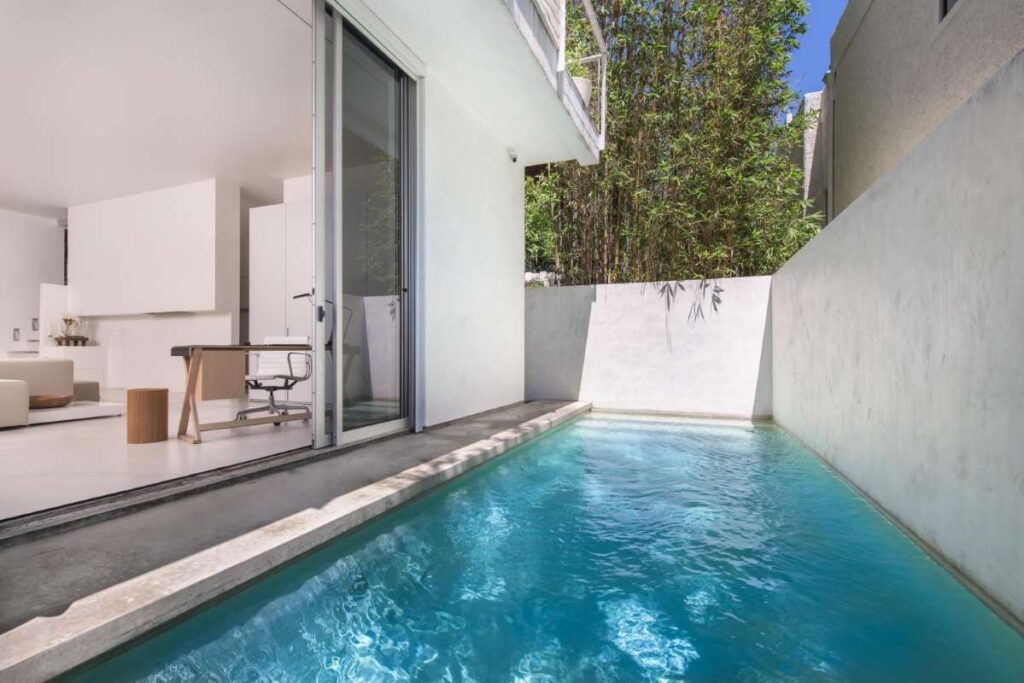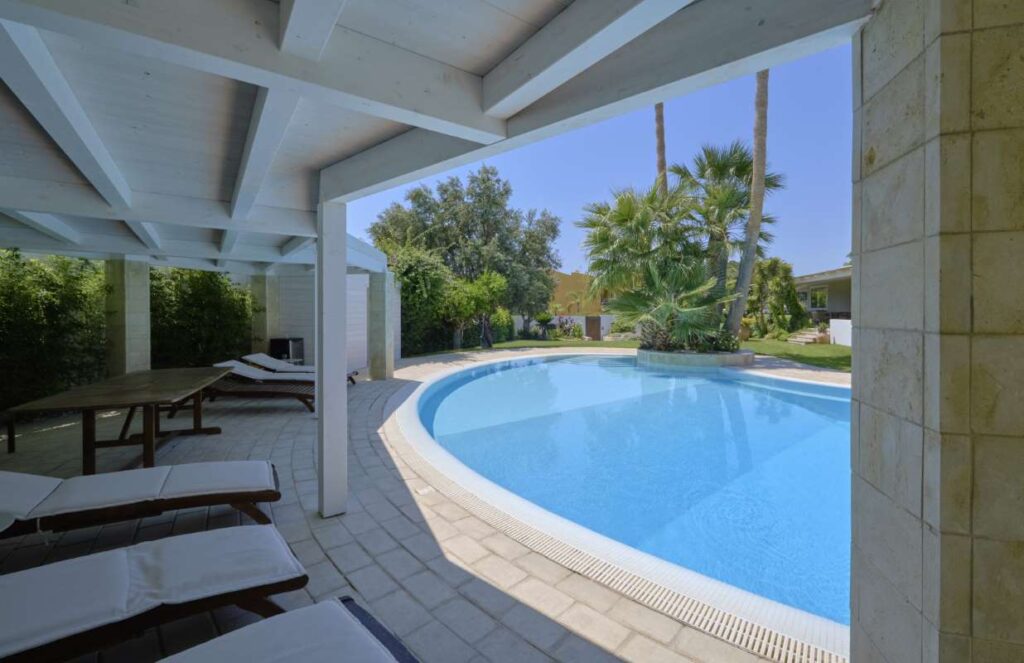
Understanding the factors that lead to quicker wear of pool surfaces in high-use homes is essential for every pool owner. This blog post will delve into the reasons behind surface degradation, how it affects maintenance, and practical tips to prolong the lifespan of your pool.
Why Pool Surfaces Wear Faster in High-Use Homes
In homes where pools serve as the centerpiece of family fun and relaxation, the wear and tear on pool surfaces can be noticeably accelerated. This blog post explores the various factors contributing to the faster degradation of pool surfaces in high-use environments. From the chemical composition of pool water to the sheer increase in foot traffic, we will provide a comprehensive analysis of how usage impacts the longevity of pool surfaces. Additionally, practical tips will be shared to help homeowners maintain their pools effectively and efficiently.
As pools are often a focal point for gatherings and leisure activities, understanding the wear rate of pool surfaces is crucial for homeowners. This information not only helps in prolonging the life of your pool but also enhances your overall swimming experience. The insights provided in this article will empower you to make informed decisions regarding maintenance and repairs.
The Impact of Increased Foot Traffic
One of the most significant factors contributing to the faster wear of pool surfaces in high-use homes is the increased foot traffic. Every time someone enters or exits the pool, the surface is subjected to friction and pressure. This constant traffic can lead to scratches, abrasions, and eventually, surface erosion.
For example, in homes with children or frequent social gatherings, the pool area sees more activity than in quieter households. This can be particularly detrimental to softer pool surface materials, like plaster or vinyl. According to industry studies, pools with high foot traffic can experience a reduction in surface integrity by as much as 30% faster than those with moderate usage.
Moreover, when people enter the pool with dirt, sand, or other debris on their feet, it can further accelerate the wear process. Regular cleaning and maintenance routines are essential in mitigating these effects. Consider implementing a strict foot-cleaning protocol and investing in poolside mats to reduce the amount of debris that enters the water.
Chemical Imbalance and Water Quality
The balance of chemicals in your pool water plays a crucial role in the longevity of your pool surface. High-use pools often require more frequent chemical adjustments due to the increased introduction of contaminants from swimmers. Additionally, the natural oils, sunscreens, and lotions that people apply before swimming can create an imbalance in your pool’s chemistry.
According to experts, maintaining pH levels between 7.2 and 7.8 is ideal for protecting pool surfaces. If levels dip too low or rise too high, it can lead to surface corrosion, especially in plaster pools. Regular water testing and treatment can help prevent chemical imbalances that might lead to premature wear.
Furthermore, chlorinated pools can also suffer from faster wear due to the harshness of chlorine on certain materials. If you notice signs of scaling or etching, it might be time to reassess your chemical usage or consider switching to alternative sanitization methods like saltwater systems, which are gentler on surfaces.
Environmental Factors and Their Effects
Environmental conditions can greatly contribute to the wear rates of pool surfaces in high-use homes. For instance, pools situated in areas with extreme weather conditions, such as intense sunlight or heavy rainfall, are more susceptible to damage. UV rays can degrade surface materials and lead to fading, while heavy rains can disrupt chemical balances and increase debris accumulation.
Additionally, pools located near trees or vegetation may encounter issues with organic debris, such as leaves and pollen. This organic matter not only affects water quality but can also contribute to the growth of algae or mold, which can deteriorate surfaces over time. Implementing regular maintenance routines, such as skimming and using pool covers, can help mitigate the impact of environmental factors.
For homeowners in sunny regions, applying UV-resistant coatings may provide an additional layer of protection for pool surfaces. This can create a barrier against sun damage and help preserve the aesthetic appeal of your pool.
Pool Surface Material Considerations
The type of pool surface material you choose can significantly impact its resilience in high-use settings. Popular options like plaster, vinyl, and fiberglass each have unique durability and maintenance requirements. For instance, while fiberglass surfaces are typically more resistant to stains and chemical imbalances, plaster surfaces are more prone to wear from heavy usage.
According to industry professionals, vinyl-lined pools can endure heavy use due to their flexibility and resistance to cracking. However, they are still susceptible to punctures, especially in homes where children play around the pool area. Understanding the strengths and weaknesses of your pool’s surface material can guide you in making informed decisions about repairs and maintenance.
When selecting a surface for a new pool or resurfacing an existing one, consider the expected usage and the types of activities that will take place. Investing in a more durable material may result in higher upfront costs but can save money in repairs and resurfacing in the long run.
Proactive Maintenance Tips
To extend the life of your pool surface in a high-use home, proactive maintenance is key. Regular cleaning schedules, water testing, and surface inspections can go a long way in preserving your investment. One effective strategy is to establish a weekly cleaning routine that includes skimming debris, vacuuming the pool floor, and brushing the walls.
Additionally, consider scheduling professional maintenance services every few months to assess the condition of your pool surfaces. Experts can identify early signs of wear and recommend appropriate treatment options before problems escalate. This proactive approach is especially important in high-use homes where surface degradation can occur rapidly.
Another important maintenance aspect is to monitor water levels and circulation. Adequate circulation helps distribute chemicals evenly and reduces stagnation, which can lead to algae growth. Investing in a quality pool cover can also prevent debris accumulation and minimize chemical usage.
Understanding the Costs of Pool Surface Maintenance
While maintenance is essential, it can also be costly, especially if repairs are not addressed promptly. Understanding the long-term costs associated with maintaining various pool surfaces can help homeowners budget effectively. For instance, resurfacing a plaster pool can range from $3,000 to $5,000, while vinyl liners may need replacement every 5-10 years at an average cost of $2,000 to $4,000.
High-use homes may incur additional costs due to frequent maintenance and repairs, which can quickly add up. Homeowners should factor these potential expenses into their overall pool maintenance budgets and explore options for preventative measures. Regular investments in minor repairs and treatments can prevent the need for more significant renovations down the line.
Moreover, setting aside a dedicated maintenance fund can help manage these costs and ensure that you are prepared for any necessary repairs or upgrades in the future.
Conclusion
In summary, the wear and tear of pool surfaces in high-use homes are influenced by several factors, including foot traffic, water chemistry, environmental conditions, and surface material. By understanding these challenges and implementing effective maintenance strategies, homeowners can extend the life of their pools.
The significance of maintaining pool surfaces cannot be overstated, as it directly impacts the safety and enjoyment of your swimming experience. Homeowners are encouraged to take proactive measures to protect their investments, whether through routine cleaning, chemical balancing, or professional assessments.
For those looking to explore the pool service industry further, consider checking out available [Pool Routes for Sale](https://pool-routes-for-sale.com/) to empower your entrepreneurial journey in the thriving pool maintenance sector. Contact us today to learn more about how we can assist you in achieving your goals!