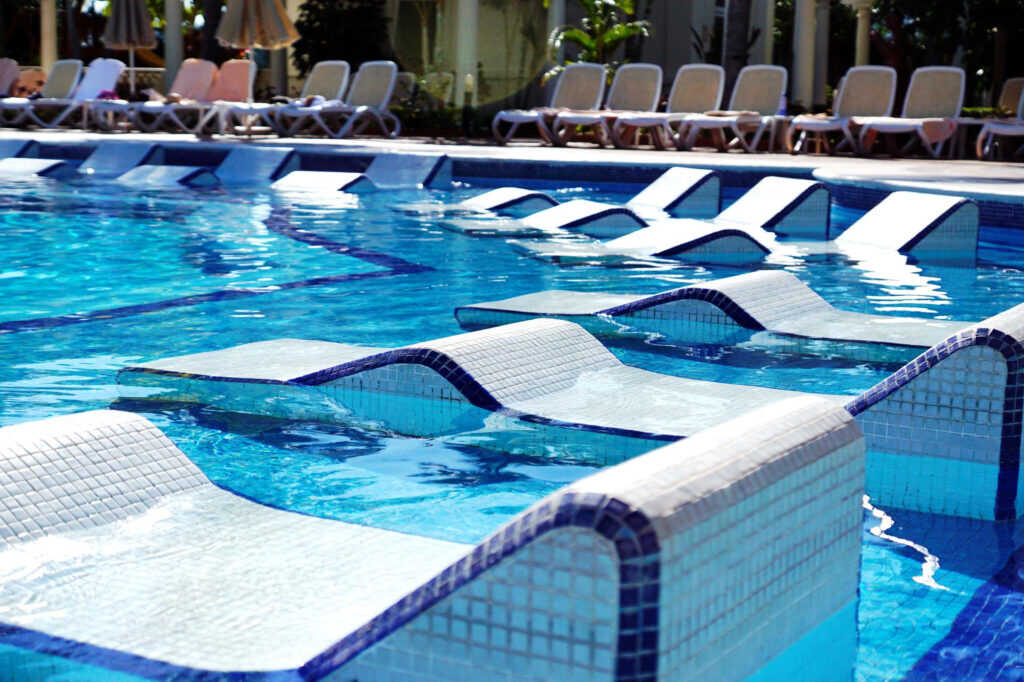
Understanding the differences in pool service needs between inland and coastal counties is crucial for both homeowners and service providers. This article delves into the various factors that influence pool maintenance based on geographic location, ensuring that pool owners can make informed decisions.
Why Pool Service Needs Differ Between Inland and Coastal Counties
In the world of pool maintenance, understanding the environmental distinctions between inland and coastal regions can significantly impact how services are delivered. Each area presents unique challenges and requirements, from water quality to seasonal weather patterns. This blog post will explore the various factors that differentiate pool service needs in these two settings. We will cover the impact of climate, water quality, and regional regulations, as well as practical tips for homeowners and pool service professionals looking to navigate these differences effectively.
As the pool maintenance industry continues to grow, recognizing these regional variances becomes increasingly important. Pool service providers must adapt their approaches based on geographical considerations to offer the best possible care to clients. Let’s dive into the specifics.
Climate and Weather Patterns
The climate significantly influences how pools should be maintained. Coastal counties experience milder temperatures and higher humidity levels, while inland areas often face more extreme temperatures and varied weather patterns. This divergence necessitates different maintenance strategies.
In coastal regions, the constant presence of moisture can lead to increased algae growth, necessitating more frequent cleaning and chemical adjustments. In contrast, inland areas may experience hotter, drier conditions that require more regular water replacement and chemical balancing to combat evaporation rates.
For example, in cities like San Diego, pool owners must be vigilant about saltwater corrosion, which is a common issue due to the proximity to the ocean. On the other hand, a city like Phoenix may see pool owners struggling with significant evaporation, leading to more frequent refills and the need for higher chemical concentrations to maintain water quality.
Water Quality and Treatment Needs
The source and quality of water available for filling pools vary between inland and coastal regions. Coastal areas often have access to saline water, which can create a host of challenges for traditional chlorine pools. Service providers in these regions may recommend saltwater systems or more frequent maintenance schedules to keep pools clean and safe.
Conversely, inland counties frequently rely on groundwater, which may have different mineral contents. This variability can lead to harder water, resulting in scaling and buildup in pool equipment. For example, in Austin, Texas, homeowners might encounter issues related to high calcium levels, necessitating specific treatment methods to prevent damage.
Considering these differences, maintaining optimal water quality requires tailored approaches. Pool service professionals should conduct regular water tests to ensure the appropriate chemical balance and treatment options are utilized for each specific region.
Seasonal Considerations and Maintenance Schedules
Seasonality greatly affects how pool maintenance is approached in different regions. Coastal areas typically experience extended swimming seasons due to warmer temperatures, leading to more frequent pool use. This increased activity necessitates a more rigorous cleaning and maintenance schedule to ensure water quality remains high.
In contrast, inland counties often see pronounced seasonal changes that can impact pool usage. For instance, in cities like Denver, pool owners may need to prepare for winterizing their pools, which involves draining and covering them during colder months. This process is less common in warmer coastal regions where pools can be used year-round.
Service providers should develop seasonal maintenance schedules tailored to the needs of their specific area. Coastal residents may require bi-weekly cleanings during peak seasons, while inland residents might only need monthly checks if their pools are used less frequently.
Local Regulations and Compliance
Regulatory requirements can also differ significantly between inland and coastal counties. Coastal areas may have stricter regulations regarding the use of chemicals and water conservation efforts, given their proximity to sensitive marine ecosystems. Pool service providers must stay updated on local regulations to ensure compliance and avoid penalties.
Inland counties might face different types of restrictions that focus more on water usage. Drought conditions can lead to regulations that limit how often pools can be filled or drained. For instance, in regions like California’s Central Valley, water conservation measures have become increasingly important, impacting how pool services operate.
Understanding these regulations is critical for pool service businesses. They must be proactive in ensuring compliance while providing effective maintenance services, which may require adapting their equipment and practices to meet local standards.
Customer Education and Awareness
Educating customers about the specific needs of their pools based on geography is essential for effective pool maintenance. Service providers should communicate the differences in requirements between inland and coastal pools, helping homeowners understand why certain treatments or schedules are necessary.
For instance, coastal pool owners may benefit from education about the impact of saltwater and humidity on their pools, while inland customers might need guidance on managing water levels and balancing minerals. Providing valuable information empowers homeowners and establishes trust between service providers and their clients.
Moreover, businesses can enhance their credibility and customer loyalty by offering educational resources on their websites, such as blog posts or downloadable guides about local pool maintenance best practices. This not only informs clients but also positions the company as an authority in the pool service industry.
Adapting Services for Diverse Needs
With varying requirements, pool service businesses should develop flexible service offerings that cater to both inland and coastal clients. This may involve creating specialized maintenance packages that address the unique challenges each region faces.
For example, a pool service provider in Florida might offer a comprehensive package that includes algae prevention treatments and routine cleaning tailored to the humid climate. Meanwhile, a Texas-based service might focus on water conservation techniques and hard water treatment solutions for their predominantly inland clientele.
By recognizing the specific needs of each geographic area, pool service providers can create tailored solutions that address customer concerns while enhancing service efficiency and effectiveness.
Leveraging Technology for Improved Services
Technology plays a pivotal role in modern pool maintenance and can help service providers optimize their operations based on geographic demands. For example, remote monitoring systems can assess water quality and pool conditions in real-time, allowing for timely interventions based on local environmental factors.
In coastal areas, technology can help monitor salt levels and chemical balances, while in inland regions, systems can track evaporation rates and recommend water replenishment schedules. Incorporating such technologies not only improves service delivery but also enhances customer satisfaction.
Additionally, using software solutions to manage routes and schedules can help pool service businesses streamline operations, allowing for more efficient servicing based on regional demands. This capability is particularly beneficial in states like Florida and Texas, where pool services can encompass a wide range of geographic areas and client needs.
Conclusion
Understanding the differences in pool service needs between inland and coastal counties is vital for ensuring effective pool maintenance. As explored in this article, factors such as climate, water quality, seasonal considerations, and local regulations play significant roles in shaping service requirements.
By adapting service offerings to meet these unique needs and leveraging technology for improved efficiency, pool service providers can enhance customer satisfaction and establish themselves as leaders in the industry. As the pool maintenance market continues to evolve, recognizing and addressing these geographic differences will be key to achieving long-term success.
For those interested in starting or expanding their pool service business, consider exploring available [Pool Routes for Sale](https://pool-routes-for-sale.com/) to join this thriving industry. Contact us today to learn more about how you can ensure your pool service business meets the diverse needs of your clients.