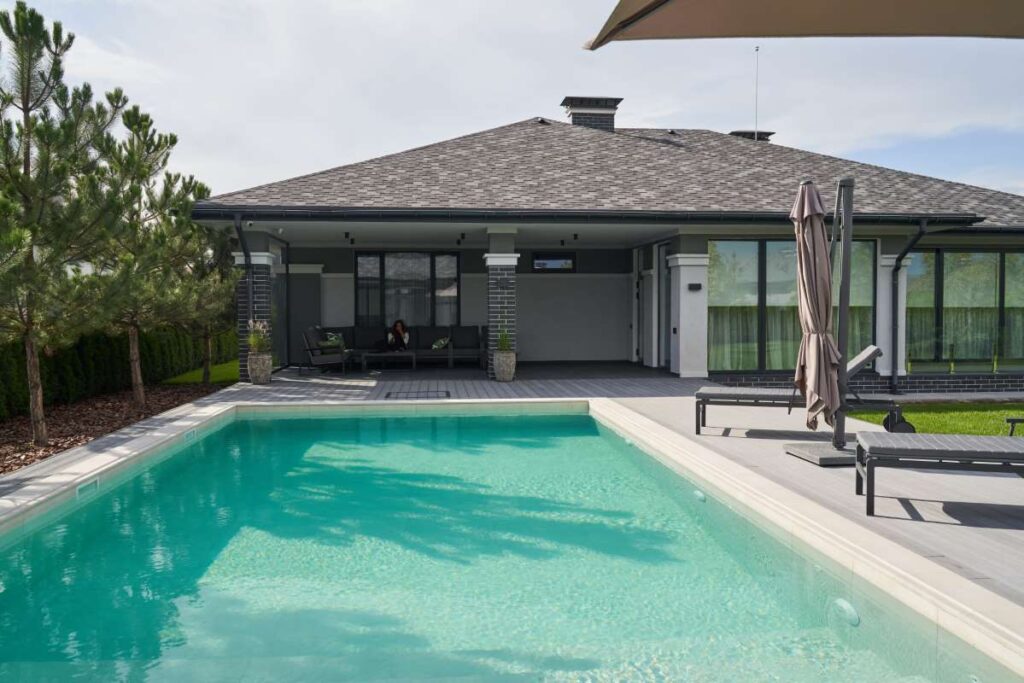
Discover the common reasons behind pool heater failures during peak season and how to prevent them for a smoother swimming experience.
Why Pool Heaters Fail During Peak Season
As summer approaches and the temperature rises, many pool owners eagerly prepare to dive into their refreshing backyard retreats. However, one of the most common issues that can disrupt this bliss is pool heater failure—especially during peak swimming season. Understanding why pool heaters fail during these crucial months is essential for maintaining enjoyment and functionality. In this blog post, we will explore the primary causes of pool heater failures, practical maintenance tips, and insights into ensuring your system operates smoothly when you need it most.
From unexpected breakdowns to minor maintenance oversights, pool heater failures can be a significant inconvenience. By identifying the common pitfalls and understanding the mechanics of pool heaters, you can take proactive steps to minimize the risk of failure. This article will provide an in-depth look at the various factors contributing to heater malfunctions and practical solutions to avoid costly repairs and downtime.
Understanding Pool Heater Mechanics
To comprehend why pool heaters fail during peak season, it’s crucial to understand how these systems operate. Pool heaters function by circulating water through a heating element, where it’s warmed before returning to the pool. There are various types of pool heaters, including gas, electric, and solar, each with unique operational requirements. During peak swimming season, these heaters experience increased demand as more users seek to enjoy comfortable water temperatures.
One major issue that can lead to heater failure is the buildup of debris and minerals within the system. Over time, leaves, dirt, and other contaminants can clog filters and impede water flow. This restriction can force the heater to work harder, leading to overheating and eventual breakdown. Regular cleaning and maintenance can significantly reduce these risks. Additionally, examining the heater’s pressure gauge and ensuring it remains within the manufacturer’s recommended range can help identify potential problems early.
Common Causes of Pool Heater Failures
Several factors can contribute to heater failures, especially during the busy summer months. One of the most frequent causes is improper installation. Even the highest quality pool heater can perform poorly if not installed correctly. For example, improper plumbing connections can result in air leaks or inadequate water flow, both of which can lead to operational inefficiencies and eventual failure. It’s essential to hire a qualified technician for installation to ensure everything is set up correctly from the start.
Another common issue is inadequate maintenance. Pool heaters require regular check-ups to function optimally. Failing to clean filters, check for leaks, or inspect heating elements can lead to problems. For instance, gas heaters often experience ignition failures if the burners are dirty or if gas pressure is inconsistent. Additionally, electric heaters can develop electrical issues if wiring becomes corroded or frayed over time.
The Impact of Temperature and Usage
During peak season, the demand for hot water skyrockets, which can strain even the best pool heaters. Increased usage leads to higher energy consumption, and if the heater isn’t adequately sized for the pool, it may struggle to maintain desired temperatures, resulting in overheating. This situation can further exacerbate wear and tear, leading to premature failure. Owners should ensure their pool heater is appropriately matched to their pool size and usage patterns to avoid such issues.
Additionally, extreme weather conditions can affect heater performance. High temperatures can lead to overheating, while heavy rains can introduce debris and particles into the heating system. Owners should consider utilizing a heater cover during heavy rains and storms to protect it from the elements. This simple precaution can prolong the life of the heater and enhance its performance during peak usage.
Practical Maintenance Tips
Keeping your pool heater in prime condition requires diligence and an understanding of proper maintenance practices. Regularly inspecting the heater is vital. Check for leaks, odd noises, or unusual smells, which could indicate underlying problems. If any issues are detected, addressing them immediately can prevent further damage.
Cleaning the filter regularly is essential to ensure smooth operation. A clean filter allows the heater to work efficiently, reducing the risk of overheating and breakdowns. Pool owners should also flush the heater system periodically to remove any mineral deposits or debris that may have built up over time. This practice not only maintains performance but also extends the life of the heater.
Professional Inspections and Services
While DIY maintenance is critical, enlisting professionals for regular inspections can provide peace of mind. A trained technician can identify potential problems that may not be apparent to the average pool owner. They can conduct comprehensive checks, including testing gas pressure levels, inspecting electrical connections, and evaluating the overall condition of the system. This proactive approach can prevent minor issues from escalating into major failures.
Additionally, if you experience a heater failure, seeking professional help immediately is crucial. Attempting to troubleshoot complex issues without expertise can lead to more severe damage and costly repairs. Always consult a qualified technician who specializes in pool heaters to ensure proper diagnosis and repair.
Understanding Pool Heater Lifespan
Another important aspect of pool heater management is understanding the expected lifespan of the heater. On average, pool heaters can last between 5 to 15 years, depending on the type and how well they are maintained. Regular maintenance can significantly influence this timeframe. Owners should be aware of the age of their heater and prepare for inevitable replacements by budgeting for a new unit when necessary.
During peak season, if your heater is approaching the end of its lifespan, you may want to consider replacing it before the summer rush. Investing in a new pool heater not only ensures reliable operation but can also lead to energy savings and improved performance. Modern heaters are often more efficient, which can translate into lower utility bills and a better swimming experience.
The Role of Technology in Preventing Failures
As technology advances, newer pool heaters come equipped with smart features that can help prevent failures. Many modern units offer diagnostic tools that alert users to issues before they become serious. These systems can provide real-time data on performance, efficiency, and potential problems, allowing for timely maintenance and repairs.
Furthermore, integrating automation into your pool system can enhance functionality. For example, smart pool controllers can optimize heating schedules based on usage patterns, reducing strain on the heater. This approach can lead to significant energy savings and prolong the life of your pool heater, making it a wise investment for any pool owner.
Conclusion
Understanding why pool heaters fail during peak season is crucial for ensuring a smooth and enjoyable swimming experience. From proper installation and maintenance to recognizing the signs of wear and tear, proactive measures can significantly reduce the risk of unexpected breakdowns. By following best practices and seeking professional assistance when needed, pool owners can keep their heaters in top shape.
As you prepare your pool for the summer, remember that a well-maintained heater not only enhances comfort but also contributes to the overall efficiency and enjoyment of your swimming experience. For those looking to explore investment opportunities in the pool service industry, consider our [Pool Routes for Sale](https://pool-routes-for-sale.com/) to connect with established businesses that offer immediate income and a loyal customer base. Take the plunge into pool ownership, and enjoy the many benefits it brings.