Discover why older pools develop persistent leaks and how to address these issues effectively, ensuring a longer lifespan for your swimming oasis.
Why Older Pools Develop Persistent Leaks
As pools age, they can develop a range of issues, one of the most frustrating being persistent leaks. The presence of leaks not only compromises the integrity of the pool structure but also leads to increased maintenance costs and water wastage. In this blog post, we’ll delve into the reasons behind these leaks, the implications for pool owners, and provide actionable advice to help you identify, manage, and prevent leaks in older pools. Understanding these factors is crucial for maintaining a safe and enjoyable swimming environment.
When discussing older pools, several factors can contribute to the onset of leaks, including material degradation, plumbing issues, and environmental influences. Each of these aspects plays a significant role in how a pool behaves over time. By exploring these areas, we can gain a comprehensive understanding of why older pools are particularly susceptible to leaks and how proactive measures can mitigate these problems.
Material Degradation and Pool Aging
One of the primary reasons older pools develop leaks is the degradation of materials over time. The elements that make up a pool—such as concrete, vinyl, or fiberglass—are not impervious to wear and tear. For instance, concrete pools can develop cracks due to settling or freeze-thaw cycles, leading to water loss. Similarly, vinyl liners can become brittle and tear, allowing water to escape.
According to the National Association of Pool Contractors, the average lifespan of concrete pools is around 30 to 50 years. However, without proper maintenance, they can begin showing signs of wear much earlier. Regular inspections and prompt repairs can significantly extend the life of pool materials. For example, applying sealants to cracks promptly can prevent them from expanding and causing more severe leaks.
Another common issue is the aging of plumbing systems. Older pipes can corrode or develop leaks at joints, contributing to water loss. It’s crucial for pool owners to have their plumbing systems inspected regularly to identify potential weak points before they become significant problems. Using modern materials for repairs can also enhance the longevity of the plumbing infrastructure.
Environmental Influences on Pool Integrity
Environmental factors like temperature fluctuations, ground movement, and soil conditions can also affect pool integrity. For instance, ground shifting due to drought or heavy rainfall can cause stress on the pool structure, leading to cracks or joint failures. Pools located in areas with expansive soils are particularly vulnerable to such issues.
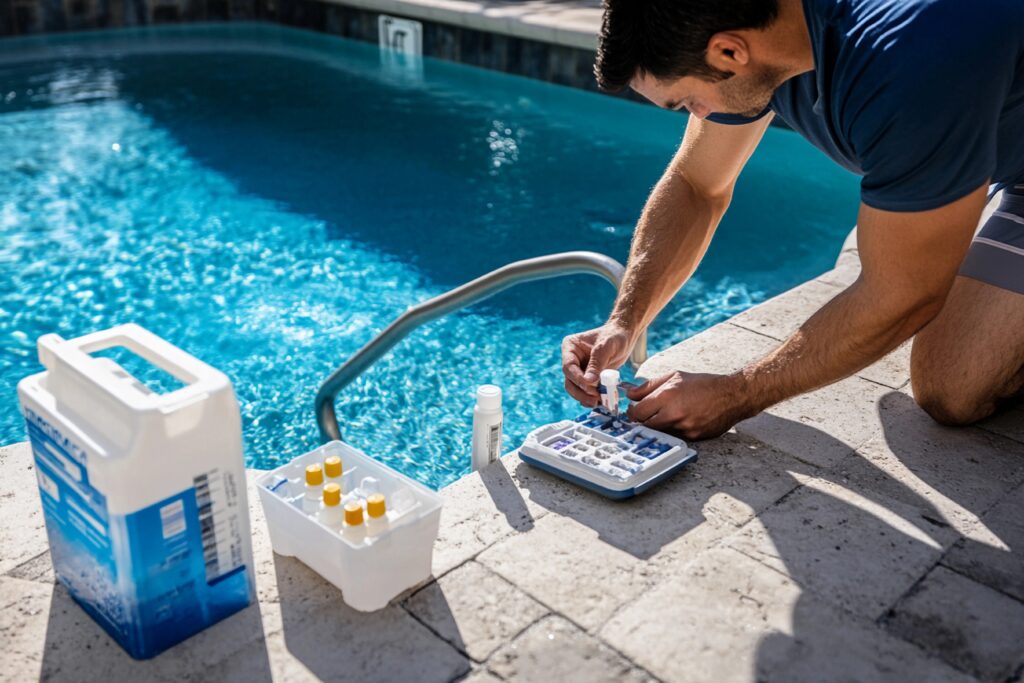
Additionally, environmental conditions can lead to an increase in chemical imbalances in the water, which can corrode surfaces and materials. Regular water testing and balancing are crucial in ensuring that these chemicals do not contribute to the deterioration of the pool structure.
It’s not just the pool itself that can suffer; surrounding landscaping and drainage systems can influence how water is retained or lost. Poor drainage can lead to flooding around the pool, increasing the chances of ground movement and subsequent leaks. Therefore, maintaining proper drainage around your pool area is essential to its long-term health.
Identifying the Source of Pool Leaks
Identifying the source of a leak in an older pool can be challenging but is crucial for effective resolution. The first step is to perform a simple bucket test: fill a bucket with water and place it on the pool steps. Mark the water level both inside the bucket and in the pool. After 24 hours, compare the levels. If the pool water has dropped significantly more than the bucket water, you likely have a leak.
Once you suspect a leak, it’s essential to conduct a thorough inspection. This includes checking all visible surfaces, skimmers, and returns for signs of water loss. Pay close attention to the pool’s plumbing lines as well; a professional leak detection service may be necessary to locate hidden leaks in these areas. Many companies specialize in this service, providing tools like pressure tests and sonar leak detection to pinpoint issues accurately.
Regular maintenance routines can also help you catch leaks early. For instance, keeping an eye on water levels and the rate of evaporation can alert you to potential problems. This proactive approach not only saves water but also prevents costly repairs in the future.
Preventative Measures for Older Pools
Preventing leaks in older pools starts with regular maintenance. A scheduled inspection by a qualified pool technician can identify potential issues before they escalate. They can check for cracks, corrosion, and other wear signs, ensuring that all components function correctly.
Applying a protective sealant to pool surfaces can also mitigate the effects of wear and tear. This treatment can fill small cracks and prevent them from expanding, providing an additional layer of protection for your pool. Moreover, ensuring that the water chemistry is balanced reduces the risk of corrosion and damage to pool surfaces and plumbing.
Investing in modern equipment, such as energy-efficient pumps and filter systems, can also contribute to maintaining the pool’s integrity. Upgrading older systems reduces the wear on plumbing and structural components, adding to the overall lifespan of the pool.
The Importance of Professional Help
While DIY solutions can be effective for minor issues, it’s often best to enlist the help of professionals for more significant problems. A pool service professional has the experience and tools necessary to diagnose and repair leaks accurately. They can also offer preventative strategies tailored to your pool’s specific needs.
For those considering a more extensive overhaul, it may be worthwhile to consult with a pool business broker. Companies like Tower Business Brokers can help you explore options for upgrading or buying existing pool routes, which may provide immediate revenue opportunities while ensuring the maintenance aspects are professionally managed. This dual approach of upgrading infrastructure while ensuring professional support can lead to a much more enjoyable pool experience.
Additionally, proper training and support are vital for anyone who operates a pool servicing business. If you’re looking to expand a pool service business or are new to the industry, consider utilizing training programs available through established brokers. Programs that focus on best practices in pool maintenance can make a significant difference in effectively managing and preventing leaks.
Understanding Costs Associated with Leaks
Managing the costs associated with pool leaks is essential for any pool owner. Not only do leaks lead to higher water bills, but they can also result in expensive repairs if not addressed promptly. According to industry experts, even minor leaks can waste thousands of gallons of water over time, leading to significant increases in operational costs.
In addition to water costs, leaks can lead to structural damage that requires costly repairs. For example, large cracks can compromise the structural integrity of the pool, leading to extensive renovations that can cost thousands of dollars. Understanding the financial impact of leaks can motivate pool owners to take preventative measures seriously.
Investing in regular inspections and maintenance can be a cost-effective strategy. Identifying leaks early can save significant repair costs down the line. Moreover, working with a reputable pool business broker can also help you find the right services that align with your budget, providing you with various options for pool management.
Conclusion
In summary, older pools are prone to persistent leaks due to material degradation, environmental influences, and plumbing issues. Identifying the source of leaks early and implementing preventative measures can save pool owners considerable time and money. Regular maintenance, professional inspections, and the use of modern materials can significantly enhance the longevity of your pool while ensuring a safe and enjoyable swimming environment.
Whether you are looking to buy a pool route or simply wish to maintain your existing pool, understanding these factors is essential for success. Explore your options to enhance your pool experience and ensure long-term enjoyment. For more information on pool services and routes for sale, visit [Pool Routes for Sale](https://pool-routes-for-sale.com/) today!