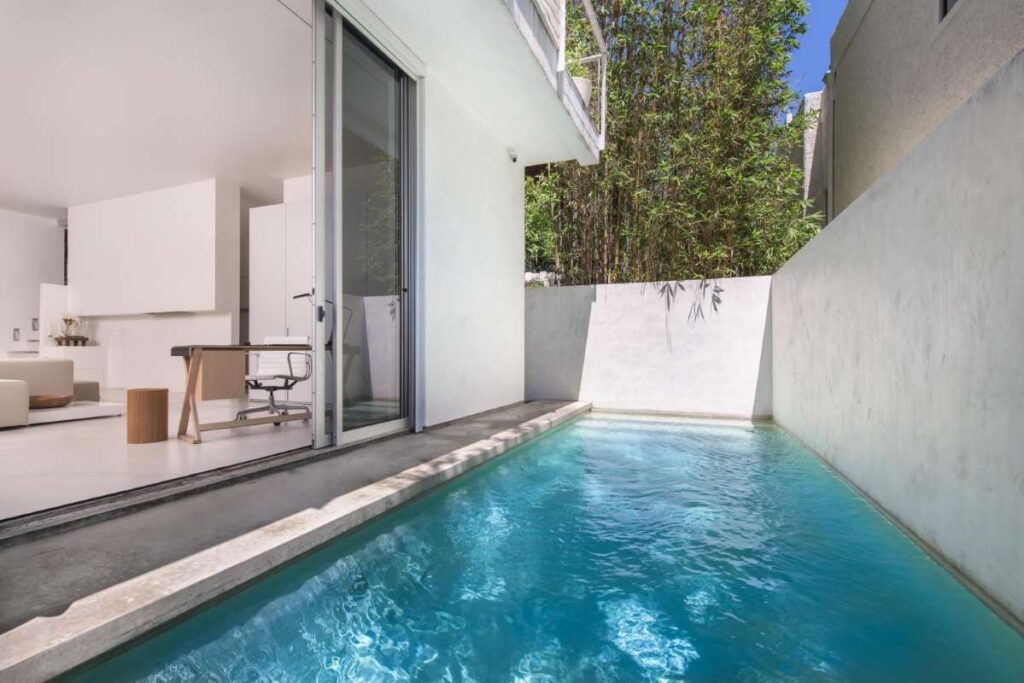
Why proper chemical care for fiberglass pools is essential for longevity and performance, ensuring a safe and enjoyable swimming experience.
Why Fiberglass Pools Need Unique Chemical Care
Maintaining a fiberglass pool involves a specific approach to chemical care that distinguishes it from other types of pools. Given the unique materials and surfaces inherent in fiberglass pools, the chemical balance must be meticulously managed to prevent damage and ensure optimal performance. This blog post will delve into the reasons behind the unique chemical needs of fiberglass pools, the best practices for maintaining water quality, and practical tips for pool owners to ensure their pools remain in pristine condition.
Fiberglass pools have risen in popularity over recent years, largely because of their durability, aesthetic appeal, and relatively low maintenance requirements. However, this does not imply that they are free from the need for careful chemical management. Unlike concrete or vinyl-lined pools, fiberglass surfaces are smoother, which requires a different approach to cleaning and chemical application. Understanding these distinctions is crucial for pool owners who wish to maintain their investment and ensure a safe swimming environment.
This article will explore the chemical dynamics of fiberglass pools, discussing the implications of pH, alkalinity, chlorine levels, and other essential factors. We’ll also touch upon common mistakes made by pool owners and how to avoid them. Additionally, we will offer actionable tips to help you maintain your fiberglass pool effectively.
Understanding the Unique Surface of Fiberglass Pools
The surface of a fiberglass pool is designed to be smooth and non-porous, which contributes to its aesthetic appeal and ease of maintenance. This unique surface can be a double-edged sword; while it resists algae growth better than porous surfaces, it also poses challenges when it comes to chemical balance.
One of the primary considerations for fiberglass pools is the pH level of the water. Ideally, the pH should be maintained between 7.2 and 7.8. If the pH level drifts outside this range, it can lead to a variety of problems, such as cloudy water or scale buildup on the pool’s surface. Scale can damage the gel coat, which is the protective layer of the fiberglass pool.
Additionally, maintaining the right alkalinity level is crucial. Total alkalinity acts as a buffer, preventing pH swings that can harm the pool’s surface. A balanced alkalinity level also ensures that the chlorine used to sanitize the pool remains effective. If the alkalinity is too low, the pH can fluctuate rapidly, leading to corrosion of pool equipment and discomfort for swimmers.
The Role of Chlorine in Maintaining Water Quality
Chlorine is a vital component of any pool maintenance strategy, but its application must be handled with care in fiberglass pools. The gel coat of fiberglass pools can be sensitive to high concentrations of chlorine, which can lead to fading or discoloration over time.
Pool owners should aim for free chlorine levels in the range of 1 to 3 parts per million (ppm) for optimal sanitation without compromising the pool’s structural integrity. Regular testing of chlorine levels, combined with periodic shock treatments, will help maintain an effective sanitization level.
It is important to consider the type of chlorine being used. Liquid chlorine or chlorine tablets can be effective, but granular chlorine should be dissolved in water before being added to the pool to prevent localized bleaching of the fiberglass surface. By understanding these nuances, pool owners can maintain a clean and safe swimming environment without risking damage to their fiberglass pools.
Common Mistakes in Fiberglass Pool Chemical Care
Many pool owners make the mistake of treating fiberglass pools the same way they would treat traditional concrete pools. This can lead to several issues. For instance, using harsh chemicals or incorrect pH balancers can lead to the deterioration of the fiberglass gel coat.
Another common mistake is neglecting regular testing of the water chemistry. Without consistent testing, pool owners may overlook imbalances that could lead to bigger problems down the line. It is advisable to test the water at least once a week, especially during peak swimming seasons, to ensure all chemical levels are in check.
Furthermore, adding chemicals in large quantities at once can cause spikes in chemical levels that may stress the fiberglass surface. Instead, opt for gradual adjustments and allow time for the water to circulate before retesting.
Best Practices for Fiberglass Pool Maintenance
To keep your fiberglass pool in top condition, adhere to the following best practices for chemical care:
- Test the water at least weekly to monitor pH, alkalinity, and chlorine levels.
- Use a pH balancer to keep levels between 7.2 and 7.8.
- Maintain total alkalinity between 80 and 120 ppm to buffer pH changes.
- Utilize appropriate chlorine types and avoid harsh chemicals that may harm the gel coat.
- Conduct regular shock treatments, particularly after heavy use or rainstorms.
- Monitor water levels and clear any debris promptly to maintain water clarity and quality.
In addition to these practices, consider investing in an automatic pool cleaner or robotic cleaner designed specifically for fiberglass pools. These tools can minimize manual labor while ensuring that your pool remains clean and well-maintained.
Seasonal Chemical Maintenance Adjustments
As seasons change, so too do the needs of your fiberglass pool. In colder months, the frequency of chemical treatments may decrease, but regular monitoring remains essential to prevent winter-related issues such as algae growth and freezing.
During the warmer months, algae growth can become a significant concern. Increased usage of the pool often correlates with changes in chemical balance, necessitating closer attention. Ensure that your pool is adequately shocked and that chlorine levels are maintained to prevent algae blooms.
Additionally, if you live in an area with significant rainfall or fluctuating temperatures, be prepared to adapt your chemical maintenance strategy accordingly. Rain can dilute chemical concentrations, necessitating adjustments to maintain the proper balance.
The Importance of Professional Assistance
While many pool owners feel comfortable managing their fiberglass pool maintenance themselves, enlisting the assistance of professionals can provide added peace of mind. Pool service companies often have the expertise and tools necessary to ensure that the chemical balance is optimal.
Moreover, professionals can identify potential issues before they become significant problems, saving you money and hassle down the road. If you’re considering expanding your pool service business, look into acquiring an established pool route to enhance your offerings. [Pool Routes for Sale](https://pool-routes-for-sale.com/) can provide you with immediate income and client access.
Additionally, training and support programs available through reputable brokers can help you navigate the intricacies of pool maintenance more effectively. When armed with knowledge and resources, you can ensure the longevity and enjoyment of your fiberglass pool.
Conclusion
Maintaining a fiberglass pool requires a nuanced approach focused on the specific needs of its surface and materials. By understanding the importance of pH balance, chlorine application, and avoiding common chemical care mistakes, pool owners can preserve their investment for years to come.
As you develop your chemical maintenance routine, remember that staying proactive and informed is key to keeping your pool safe and enjoyable. If you’re interested in learning more about pool ownership or enhancing your service offerings, don’t hesitate to explore the opportunities available through [Tower Business Brokers](https://pool-routes-for-sale.com/) for acquiring established and profitable pool routes.
Investing in your knowledge and resources can lead to a thriving pool business and a satisfied clientele. Reach out today, and take the first step toward successful pool ownership!