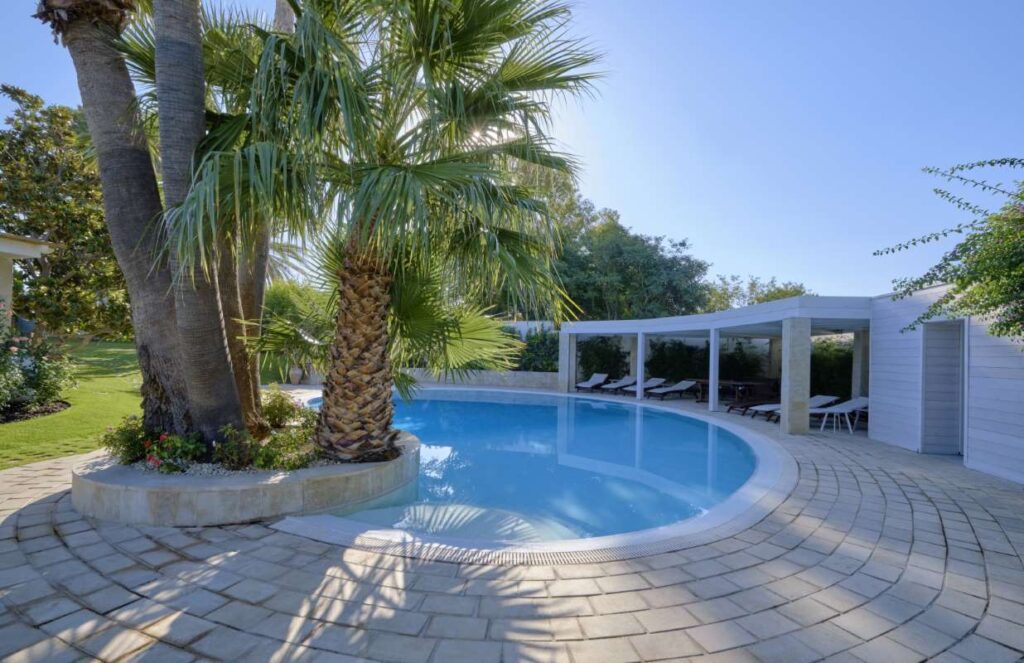
Explore why the commercial-style standards are being implemented in residential pools and how it impacts safety, quality, and market trends.
Why Commercial-Style Standards Are Applying to Residential Pools
In recent years, the rise of commercial-style standards in residential pools has sparked conversations among homeowners, builders, and regulatory bodies. Initially designed to ensure safety, efficiency, and longevity in commercial settings, these standards are increasingly being adopted in residential contexts. This blog post explores the reasons behind this trend, its implications for homeowners, and the overall impact on the pool maintenance industry.
As residential pools become more prevalent, the need for stringent regulations and standards has become ever more pressing. This article will cover the rationale behind these new standards, the benefits they offer, and how they align with the growing expectations of safety and quality among pool owners. We will also delve into practical tips for homeowners and industry professionals on adapting to these changes.
The Need for Robust Standards
Residential pools are no longer mere backyard features; they are central to family life and recreation. As such, the need for uniform safety and operational standards has become crucial. Recent statistics show a significant increase in pool-related accidents, prompting regulators to take action by implementing commercial-style standards for residential pools.
These standards encompass various aspects, including safety measures, water quality management, and construction guidelines. For instance, commercial pools are required to have multiple layers of safety features such as lifeguard supervision, advanced filtration systems, and strict maintenance schedules. Adopting these standards in residential settings aims to reduce accidents and ensure that pools are safe for families and guests alike.
Moreover, the push for higher standards is also driven by the increasing complexity of pool technology. Modern pools often incorporate advanced features such as automated cleaning systems, smart heating units, and energy-efficient pumps. Ensuring that these systems meet commercial-grade standards can enhance their reliability and performance, ultimately benefiting the homeowner.
Improved Safety and Longevity
One of the primary advantages of adopting commercial-style standards in residential pools is the enhancement of safety protocols. When homeowners comply with these regulations, they minimize risks associated with drowning and other accidents. For instance, installing multiple self-closing gates, depth markers, and alarm systems is now becoming standard practice in newly constructed residential pools.
Additionally, these standards help ensure the longevity of pool structures and equipment. Commercial pools undergo rigorous quality checks and maintenance protocols, which contribute to their durability. By applying similar standards to residential pools, homeowners can expect less frequent repairs and lower long-term maintenance costs. This not only saves money but also ensures that families can enjoy their pools without interruptions due to equipment failures or safety concerns.
For example, integrating high-quality materials and construction techniques typically found in commercial pools can significantly improve the lifespan of residential pools. Homeowners who invest in these standards can benefit from reduced upkeep, providing peace of mind and better value for their investment.
Market Trends and Homebuyer Expectations
The real estate market is evolving, and today’s buyers are more discerning when it comes to home amenities, including pools. An increasing number of potential homeowners are prioritizing safety, sustainability, and state-of-the-art features in their property choices. According to market research, homes equipped with pools that meet or exceed commercial-style standards are more attractive to buyers and command higher prices.
Real estate agents report that buyers are willing to pay a premium for properties showcasing well-maintained pools with advanced safety features. This trend reflects a shift in consumer expectations, where quality and safety take precedence over mere aesthetics. Homeowners looking to sell their properties should consider investing in upgrades that align with these standards to maximize their home’s marketability.
Furthermore, the growing awareness of pool safety is influencing younger generations of homeowners. As parents become more aware of the risks associated with pools, they are naturally inclined to look for homes that offer enhanced safety measures. This trend opens up opportunities for pool service businesses to provide tailored services that meet these evolving expectations.
Practical Applications and Best Practices
For homeowners and pool service professionals, adapting to these new standards requires both knowledge and action. Here are some practical applications and best practices to ensure compliance with commercial-style standards:
- Regular Inspections: Schedule routine inspections of your pool to identify potential safety hazards and maintenance needs. Employ qualified professionals who are familiar with commercial standards.
- Invest in Quality Equipment: Purchase high-quality filtration systems, heaters, and safety equipment that meet commercial standards. This will enhance the efficiency and safety of your pool.
- Educate Your Family: Ensure that all family members understand pool safety rules, including the importance of supervision and emergency procedures.
- Enhance Safety Features: Install features such as pool covers, fences, and alarms to enhance safety. These elements not only fulfill standards but also provide additional peace of mind.
By implementing these practices, homeowners can not only comply with new regulations but also enjoy the many benefits that come with maintaining a safe and efficient pool.
The Role of Pool Business Brokers
For those interested in investing in a pool service business or looking to expand their existing operations, working with a qualified pool business broker can be invaluable. Brokers like Tower Business Brokers, Inc. specialize in connecting buyers with established pool routes that already comply with the latest standards.
These established routes often come equipped with a loyal customer base and operational systems that meet commercial standards, providing a significant advantage for new owners. The transparency and expertise offered by brokers can help demystify the buying process and ensure that clients make informed decisions. By investing in an established pool route, entrepreneurs can tap into an immediate revenue stream without the hassle of starting from scratch.
For those exploring options, consider checking available listings of [Pool Routes for Sale](https://pool-routes-for-sale.com/) to find opportunities that align with your business goals.
Conclusion
The application of commercial-style standards to residential pools represents a significant evolution in the pool maintenance industry. As safety and quality take precedence, homeowners are encouraged to embrace these changes to enhance their pool’s value, safety, and performance. By adhering to these standards, homeowners not only protect their families but also position themselves favorably in the competitive real estate market.
As we look to the future, the trend towards higher standards is likely to continue shaping the industry. Pool service professionals and homeowners alike must stay informed and adaptable to these changes, ensuring compliance and maximizing the benefits of safe and efficient pool ownership.
For more insights into establishing a successful pool service business and navigating these new standards, reach out to us at Tower Business Brokers. Our team is here to support your journey into pool route ownership. Visit us today to explore our offerings and take the first step towards successful entrepreneurship in the thriving pool maintenance industry.