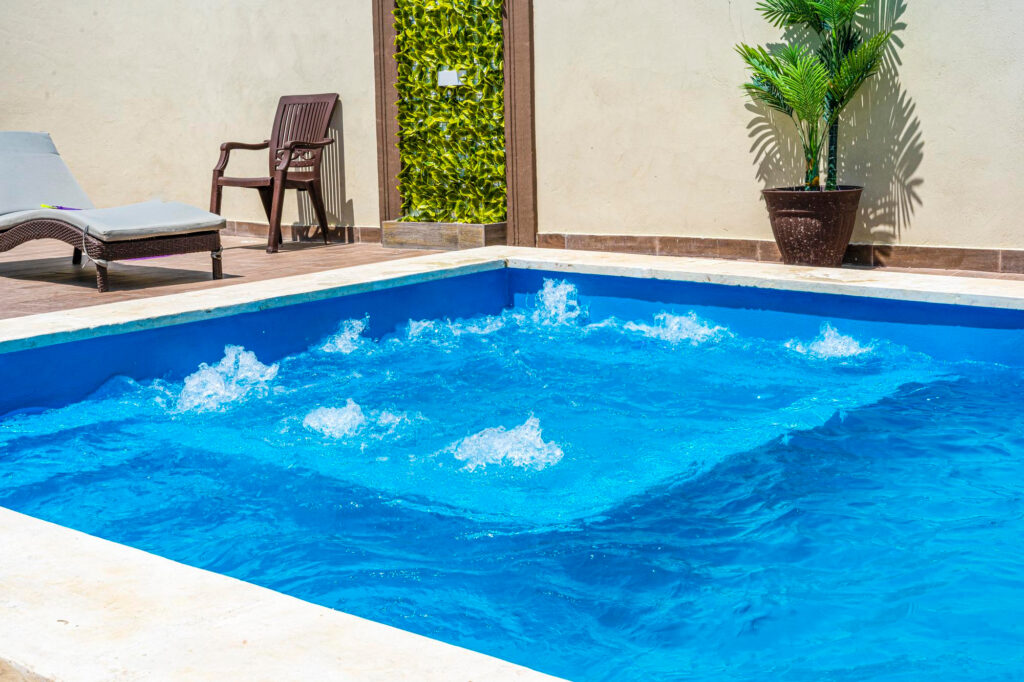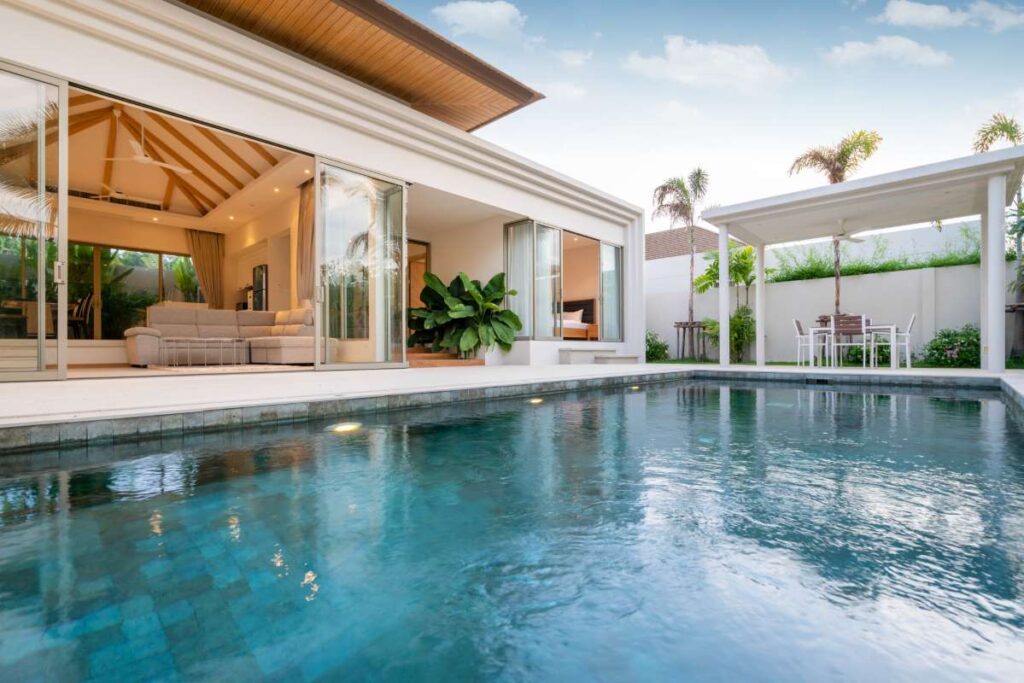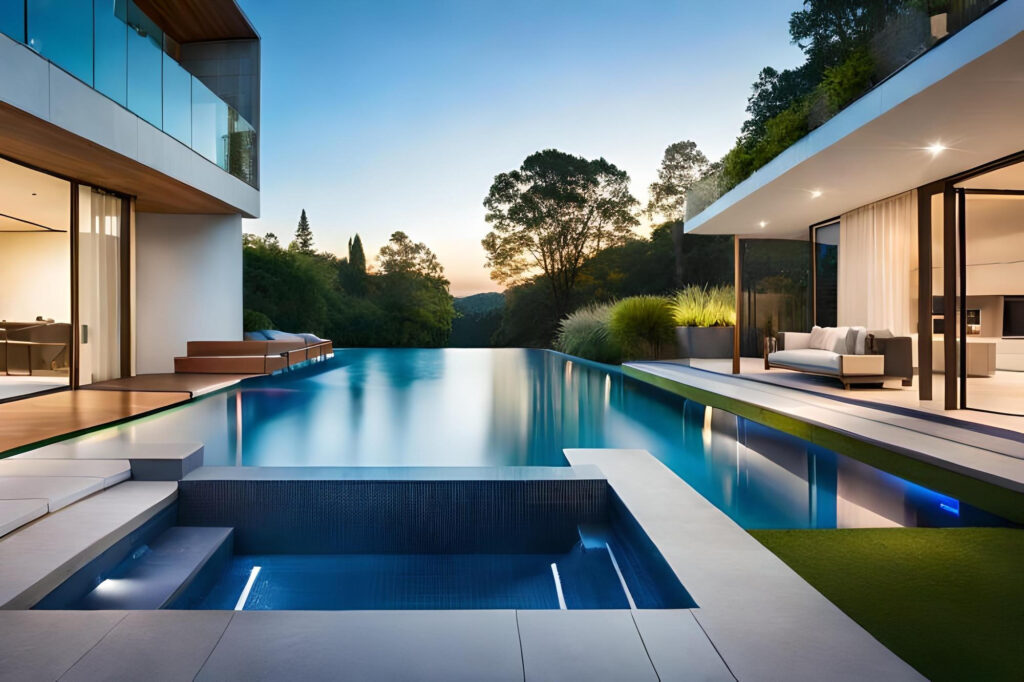
Why Backyard Landscaping Impacts Pool Health: Discover how landscaping choices affect the cleanliness, safety, and maintenance of your pool.
Why Backyard Landscaping Impacts Pool Health
Backyard landscaping is not just about aesthetics; it plays a crucial role in the overall health of your swimming pool. This blog post will explore the intricate relationship between landscaping and pool maintenance, emphasizing how the choices you make in your outdoor spaces can significantly affect your pool’s health. We will discuss the various ways in which plants, soil, and garden structures interact with your pool environment, and provide actionable tips to ensure a flourishing backyard that supports a clean and healthy pool.
Imagine stepping into your backyard, greeted by a beautifully landscaped garden, vibrant flowers, and lush greenery. While this setting evokes peace and joy, it also carries responsibilities, especially when you own a pool. The connection between your backyard landscaping and your pool’s health is multifaceted, influencing everything from water cleanliness to chemical balance. In this comprehensive article, we will delve into these dynamics, providing insights and practical advice to help you maintain both your garden and your pool effectively.
Understanding how your landscaping choices can impact your pool’s health is vital for every homeowner. Factors such as plant selection, soil runoff, and even the layout of your garden can lead to varying degrees of pool maintenance and water quality. Let’s explore the primary ways landscaping affects pool health, so you can create an outdoor environment that enhances your swimming experience.
The Role of Plant Selection
One of the most significant ways landscaping impacts pool health is through plant selection. Different plants have various characteristics that can affect your pool environment. For instance, trees and shrubs that shed leaves or flowers can introduce debris into your pool, leading to increased cleaning time and chemical usage. Additionally, certain plants may attract insects or wildlife that could pose hygiene risks.
Consider using native plants that are adapted to your local climate and require minimal maintenance. These plants typically have deeper root systems that stabilize the soil and reduce erosion, which is particularly important near pools. By selecting low-maintenance plants that do not shed excessively, you can minimize the amount of organic material that enters your pool, helping to keep it cleaner.
Another aspect to consider is the placement of your landscaping. Positioning plants at a distance from the pool can help reduce the amount of debris that falls into the water. You may also want to create a natural barrier using hardscaping elements like rocks or decorative walls that can help to keep debris out of your pool area.
Soil and Water Management
Soil management is another critical component that influences pool health. Improperly managed soil can lead to runoff that introduces sediment, fertilizers, and pesticides into your pool. This can cause cloudy water, increased chemical usage, and potential health risks for swimmers.
To prevent runoff, consider implementing landscaping techniques such as contouring or building raised garden beds. These methods help control water flow and minimize soil erosion, ensuring that any water used for irrigation does not wash excess soil or chemicals into the pool area. Additionally, using organic fertilizers can significantly reduce chemical runoff, promoting a healthier ecosystem in your backyard.
Furthermore, incorporating permeable surfaces around your pool can also aid in managing water runoff. Permeable pavers allow rainwater to seep into the ground rather than pooling around your pool, which can lead to sediment accumulation and water quality issues. This strategy not only supports pool health but also contributes to a more sustainable landscape.
Shade and Temperature Control
Landscaping can also play a pivotal role in regulating the temperature of your pool. Trees and shrubs can provide much-needed shade, which can reduce water evaporation and help maintain cooler water temperatures, particularly during hot summer months. This is beneficial for both pool maintenance and swimmer comfort.
However, it’s essential to strike a balance—excessive shade can hinder the effectiveness of pool chemicals, leading to imbalances in pH and chlorine levels. Be mindful of the amount of shade your landscaping provides and consider using plants that can be trimmed or removed as needed to maintain optimal conditions in your pool.
Strategically placed umbrellas or shade sails can also complement your landscaping efforts, offering flexible solutions for temperature control without compromising the aesthetics of your backyard. This blend of natural and artificial shade can help in maintaining a comfortable swimming environment while also protecting your pool’s chemical balance.
The Impact of Hardscaping
Hardscaping elements such as patios, walkways, and retaining walls significantly influence both the functionality and the aesthetics of your pool area. Properly designed hardscaping can enhance drainage, reduce debris accumulation, and provide a clean, safe environment for pool users. However, poor design can lead to problems like water pooling or soil erosion.
When creating your hardscape, consider using materials that promote drainage, such as gravel or permeable pavers. These materials can help prevent water from pooling near your pool, minimizing the likelihood of sediment getting into the water. Additionally, ensure that all hardscape elements are positioned to promote efficient drainage away from the pool.
Moreover, incorporating planters within hardscaping can help integrate landscaping with the pool area. Elevating plants on hardscape features can prevent them from shedding debris directly into the water while still allowing you to enjoy the beauty of greenery around your pool.
Incorporating Technology for Maintenance
In today’s digital age, technology can also play a crucial role in maintaining both your landscaping and pool health. Automated systems can help regulate irrigation, ensuring that plants receive adequate water without over-saturating the soil, which can lead to runoff. Smart sensors can monitor soil moisture and notify you when it’s time to water, keeping both your garden and pool in optimal condition.
Moreover, utilizing pool maintenance technology, such as robotic cleaners and automated chemical dispensers, can greatly reduce the manual effort required to maintain pool hygiene. These tools can complement your landscaping efforts by ensuring your pool remains clean and well-balanced, regardless of seasonal debris from surrounding plants.
Investing in these smart solutions not only enhances the efficiency of your maintenance routines but also contributes to a healthier pool environment, making your backyard a relaxing sanctuary for family and friends.
Best Practices for Sustainable Landscaping
To ensure that your landscaping positively impacts your pool’s health, consider adopting sustainable practices. Native and drought-resistant plants are not only more resilient but also require less water, reducing the risk of runoff that could compromise your pool quality. Moreover, these plants often attract beneficial insects and wildlife that contribute to a balanced ecosystem.
Regular maintenance is vital for both your landscape and pool. Schedule consistent lawn care, pruning, and debris removal to minimize organic matter entering the water. Additionally, investing in mulch can suppress weed growth while keeping soil moisture levels stable, further protecting your pool from unwanted elements.
Lastly, consider integrating a rain garden or bioswale into your landscaping design. These features can help manage runoff by allowing rainwater to be absorbed naturally, filtering contaminants before they reach your pool area. By adopting these sustainable practices, you can create a vibrant landscape that supports a healthy swimming pool.
Conclusion
In summary, backyard landscaping plays a significant role in the health of your swimming pool. Through thoughtful plant selection, effective soil management, and strategic hardscaping, you can create an outdoor environment that promotes clean and safe pool water. Implementing sustainable practices and utilizing technology can enhance your efforts, ensuring that both your garden and pool thrive.
By understanding the intricate relationship between landscaping and pool health, you can make informed decisions that benefit your outdoor space. Whether you’re looking to enhance the aesthetics of your backyard or improve the maintenance of your pool, the right landscaping choices can lead to a more enjoyable swimming experience. Take the time to assess your landscaping today and make adjustments that will promote a healthy pool for years to come.
For those interested in entering the pool service industry or expanding their operations, consider exploring [Pool Routes for Sale](https://pool-routes-for-sale.com/). With a variety of options available, you can find the right pool route to suit your needs and start generating income while maintaining a healthy pool environment.