Discover the reasons why automatic pool cleaners often miss certain areas, what factors contribute to this issue, and how to maximize your pool cleaning experience.
Why Automatic Pool Cleaners Miss Certain Areas
Automatic pool cleaners are a convenient addition to pool maintenance, saving time and effort while ensuring clean water. However, many pool owners wonder why these devices sometimes overlook specific areas of their pools. In this blog post, we will delve into the various reasons behind this phenomenon, exploring the mechanics of different types of cleaners, environmental influences, and practical solutions for ensuring a thorough clean. Understanding these factors can help pool owners optimize their cleaning processes and maintain pristine swimming conditions.
The relevance of this topic is significant, especially for pool owners who rely on automatic cleaners for their maintenance routines. It’s essential to comprehend how these machines operate and why they may not always achieve complete effectiveness. By the end of this article, you will possess a deeper understanding of automatic pool cleaners and actionable strategies to enhance their cleaning performance.
Understanding Automatic Pool Cleaners
Automatic pool cleaners come in various types, including suction-side, pressure-side, and robotic cleaners. Each operates differently, impacting their effectiveness in cleaning various areas of a pool. Suction-side cleaners, for example, utilize the pool’s filtration system to create suction that draws dirt and debris into the unit. However, their effectiveness can be hampered by the configuration of the pool, such as corners and steps that can obstruct flow.
On the other hand, pressure-side cleaners rely on water pressure generated by a booster pump to propel themselves and collect debris. While they can cover more ground efficiently, they can struggle with specific surface types, like rough or textured finishes. Robotic cleaners are generally the most advanced, using programmed paths to cover the entire pool area, but they may still miss spots due to navigation errors or poor sensor performance.
Understanding the mechanics of each type of cleaner is essential for identifying potential pitfalls. For instance, if your cleaner frequently misses corners or steps, it may be a design flaw or an issue with the device’s mobility. Regular maintenance and adjustments might help in these scenarios, but knowing the limitations of your model is key to managing expectations.
Environmental Factors Affecting Cleaning Performance
Environmental conditions play a crucial role in how well automatic pool cleaners perform. Factors such as pool shape, surface texture, and the presence of obstacles can greatly influence the effectiveness of these cleaning machines. For instance, a pool with sharp angles or irregular shapes can pose challenges for cleaners, as they may struggle to navigate effectively.
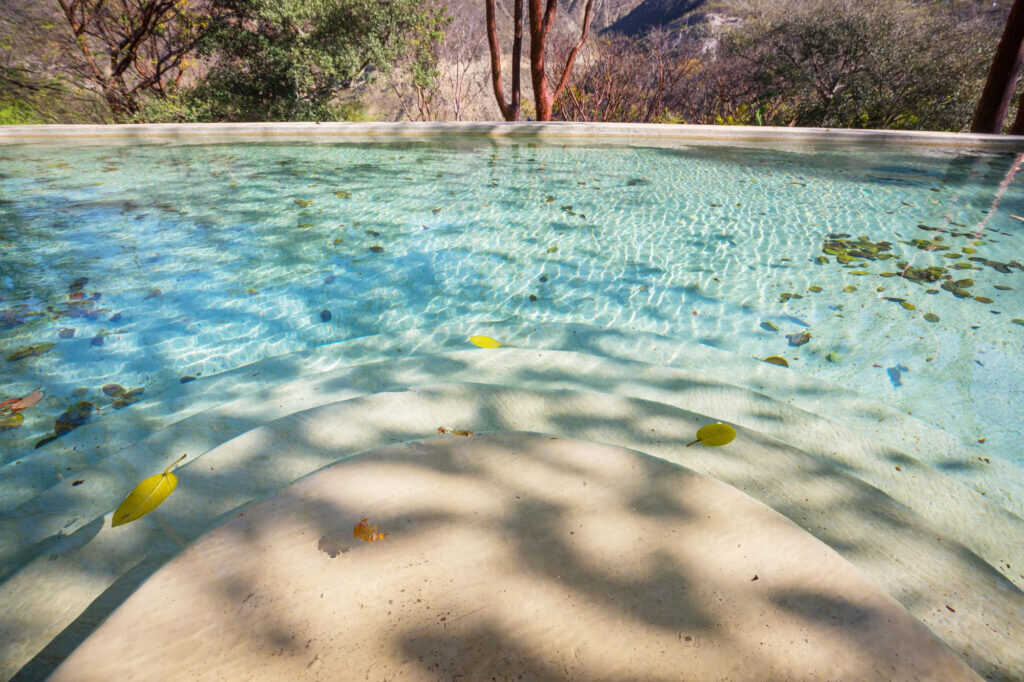
Additionally, the pool’s surface material can impact the cleaner’s performance. Textured surfaces can trap debris and make it difficult for the cleaner to pick up dirt. Similarly, if your pool is surrounded by trees or has a high pollen count, debris accumulation will increase, making it more challenging for the cleaner to maintain cleanliness.
To mitigate these environmental challenges, regular pool maintenance is necessary. This includes skimming debris, ensuring that the water level is adequate, and checking that the cleaner’s hoses are free from kinks. By maintaining a clean environment, you can help your automatic pool cleaner perform more effectively.
Common Mechanical Issues with Automatic Pool Cleaners
Mechanical issues are another significant reason automatic pool cleaners may miss certain areas. These problems can arise from wear and tear, improper installation, or malfunctioning parts. For example, a worn-out tire or track can hinder a cleaner’s ability to navigate effectively, leading it to miss spots that require attention.
Moreover, clogs in the filtration system can also prevent the cleaner from achieving optimal suction or pressure, resulting in incomplete cleaning. Regular inspections and maintenance can help identify and resolve these mechanical issues before they become more significant problems.
Another common mechanical issue is improper programming or settings. Many robotic cleaners come equipped with programmable features that allow you to customize their cleaning paths. If these settings are incorrectly configured, your cleaner might not cover the desired areas of the pool. Reviewing the manufacturer’s instructions can ensure that your cleaner operates at its best.
Tips for Enhancing Cleaning Performance
Improving the performance of your automatic pool cleaner involves several practical strategies. First, ensure that your cleaner is appropriately sized for your pool. A cleaner that is too small may not have the power to navigate effectively, while one that is too large might struggle with maneuverability.
Second, regular maintenance is crucial. This includes cleaning the cleaner’s filters, checking for clogs, and ensuring that all parts are functioning correctly. Keeping the pool surface clean by skimming debris and maintaining proper chemical balances will also help enhance the cleaner’s effectiveness.
Lastly, consider supplementing your automatic cleaner with manual cleaning tools, especially for hard-to-reach areas. Using a hand-held vacuum or brush can help address spots that the automatic cleaner misses, ensuring your pool remains sparkling clean.
Understanding the Role of Pool Shape and Design
The shape and design of your pool significantly affect how well an automatic pool cleaner can perform. Pools with complex designs, like those featuring multiple levels, steps, or water features, can present unique challenges. An automatic cleaner may struggle to navigate these obstacles effectively, resulting in missed spots.
For instance, if you have a pool with a spa that is raised or includes multiple angles, your cleaner may not reach certain corners or depths. In these cases, it might be beneficial to look into specialized cleaners designed for intricate pool shapes. These models often come equipped with advanced navigation systems that allow them to maneuver through complex layouts more efficiently.
Additionally, understanding your pool’s water flow dynamics can also inform your cleaning strategy. By observing where water collects or where circulation is weak, you can identify areas that may require more manual attention or adjustments to your cleaning routine.
Technology and Innovation in Pool Cleaning
As technology advances, the capabilities of automatic pool cleaners continue to improve. Newer models often come equipped with smart features, such as Wi-Fi connectivity and app integration, allowing users to monitor and control their cleaners remotely. These technologies enable users to receive real-time updates on cleaning progress and receive alerts about maintenance needs.
Some advanced models utilize artificial intelligence to learn and adapt to your pool’s layout. This means they can optimize their cleaning paths over time, enhancing efficiency and reducing the likelihood of missing spots. Exploring these innovations can provide you with tools to keep your pool cleaner than ever.
In addition, consider the integration of multi-functional devices that not only clean but also monitor water quality, providing insights into chemical levels and overall pool health. These comprehensive solutions can streamline your maintenance efforts and ensure a healthier swimming environment.
Regular Maintenance and Upkeep Practices
To ensure your automatic pool cleaner operates at peak performance, a consistent maintenance routine is essential. This includes routine inspections of the cleaner’s parts, such as hoses, filters, and brushes. Regularly removing debris from the cleaner and ensuring that all parts are in good working condition will help extend the life of your investment.
In addition to mechanical upkeep, consider implementing a cleaning schedule that allows for both automated and manual cleaning methods. For example, running your automatic cleaner regularly can help manage daily debris, while manual cleaning sessions can target specific areas that require extra attention.
Moreover, invest time in educating yourself about your specific cleaner model. Each type has unique requirements and quirks, and understanding these can help you troubleshoot and enhance efficiency effectively.
Conclusion
In summary, understanding why automatic pool cleaners miss certain areas is crucial for effective pool maintenance. By recognizing the mechanical issues, environmental factors, and design challenges, you can take proactive steps to enhance your cleaning routine. Regular maintenance, proper setup, and leveraging technology are key strategies that can significantly improve the performance of your automatic cleaner.
As pool ownership continues to grow, so does the importance of maintaining a clean and healthy environment. Investing in the right tools and knowledge is essential for ensuring that your automatic pool cleaner does its job effectively. For those looking to expand their pool service business or explore opportunities in pool route ownership, consider reaching out to [Tower Business Brokers](https://pool-routes-for-sale.com/) for expert insights and support.