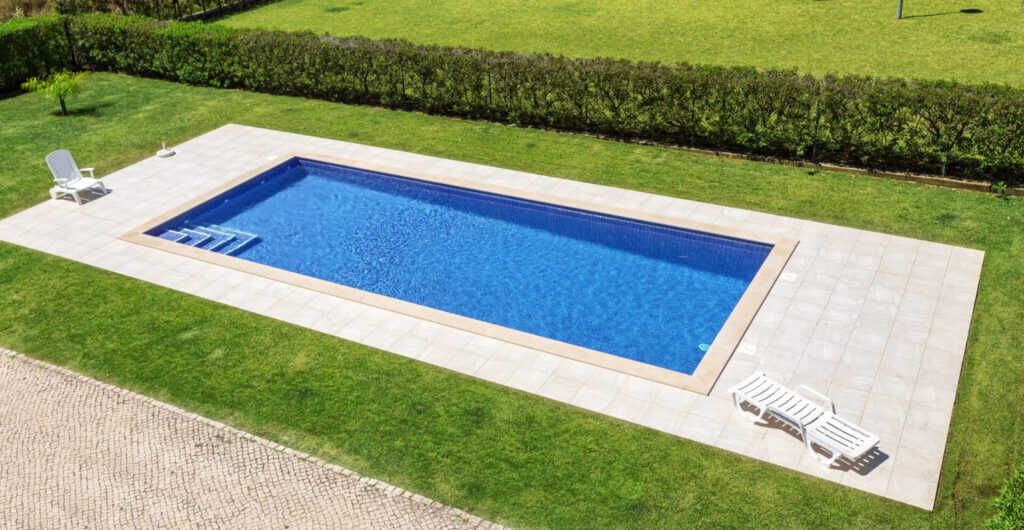
Is your pool heater not performing as it should? Discover the top signs that indicate it’s time for a replacement and ensure your swimming experience remains comfortable.
The Top Signs a Pool Heater Needs Replacement
As the summer months approach, many pool owners look forward to enjoying warm, inviting water during their leisure time. A functioning pool heater plays a critical role in maintaining a comfortable swimming temperature, especially during cooler evenings or in regions with fluctuating weather. However, like all mechanical systems, pool heaters have a lifespan and may require replacement over time. This article delves into the top signs that suggest it might be time to replace your pool heater, helping you maintain an optimal swimming environment while avoiding unnecessary costs associated with repairs.
From fluctuating water temperatures to rising energy bills, we’ll cover various indicators that signal potential heater malfunctions. Additionally, we’ll provide insights into the benefits of investing in a new pool heater and tips to ensure you choose the right one for your pool setup. By understanding these signs and acting proactively, you can enjoy uninterrupted poolside fun.
1. Inconsistent Water Temperature
One of the most apparent signs that your pool heater may need replacement is inconsistent water temperatures. If you’ve noticed that the water is not maintaining a steady, comfortable temperature, there could be a problem with the heater’s efficiency. A well-functioning heater should consistently warm the pool to your desired temperature without significant fluctuations.
Fluctuations can be caused by various factors, such as a malfunctioning thermostat, damaged heating elements, or worn-out components. When temperatures vary dramatically, it not only affects your swimming experience but can also cause unnecessary wear and tear on your pool heater. In such cases, it may be more cost-effective to consider investing in a new unit rather than continuing to pay for repairs on an aging system.
2. Rising Energy Bills
Another crucial indicator of a failing pool heater is a noticeable increase in your energy bills. If you find that your electricity or gas costs have skyrocketed without a corresponding increase in pool usage, your heater may be to blame. An inefficient heater struggles to maintain the desired water temperature, leading to higher energy consumption.
Older pool heaters tend to lose their efficiency over time, resulting in increased operational costs. If your current heater is more than a decade old, it might be consuming significantly more energy compared to newer, energy-efficient models. Consider conducting an energy audit of your system and comparing the operating costs of maintaining your existing heater versus investing in an energy-efficient replacement.
3. Unusual Noises or Odors
If your pool heater is making strange noises, such as rattling, buzzing, or hissing, it could indicate a mechanical issue that warrants attention. These sounds often suggest that internal components are failing or that there is a buildup of debris within the system. Ignoring these warning signs could lead to more significant damage and costly repairs.
Additionally, unpleasant odors coming from the heater can be another red flag. A strong smell of gas indicates a leak, while other strange odors may suggest overheating or electrical problems. In either case, it is crucial to address these issues promptly to ensure safety and prevent further equipment deterioration.
4. Leaks or Rust on the Heater
Physical signs of damage, such as leaks or rust, are significant indicators that your pool heater may be nearing the end of its lifespan. If you observe water pooling around the heater or rust forming on its exterior, it could mean that the heater’s integrity is compromised. Leaks can lead to further damage and inefficiencies, while rust typically indicates that the heater is deteriorating internally.
It is essential to identify the source of any leaks promptly, as they can not only affect the heater’s performance but also lead to increased water bills and potential structural damage to your pool area. If the damage seems extensive, replacing the heater may be more practical than attempting repairs.
5. Age of the Heater
The age of your pool heater is a critical factor in determining whether it’s time for a replacement. Most pool heaters have a lifespan of around 10 to 15 years, depending on usage and maintenance. If your heater is approaching or has exceeded this age range, it’s wise to consider upgrading to a newer model.
Modern pool heaters are designed with improved efficiency, reliability, and features that older models may lack. Upgrading your heater not only ensures better performance but can also lead to lower operational costs in the long run. Additionally, newer models often come with advanced technology that allows for better temperature control and energy management, providing enhanced comfort during your swimming sessions.
6. Difficulty in Starting the Heater
Frequent challenges in starting your pool heater can signal that the unit is failing. If you notice that it takes longer than usual to heat the water or the heater doesn’t start at all, it may be an indication of underlying mechanical issues. Such problems can stem from faulty ignition systems, worn-out components, or electrical failures.
Repeatedly troubleshooting and repairing these issues can lead to increased costs over time. It may be more prudent to evaluate the overall condition of the heater and consider a replacement if these issues persist. Investing in a new heater can simplify your pool maintenance routine and provide a more reliable swimming experience.
7. Impact on Water Quality
A poorly functioning pool heater can also affect water quality. If you notice cloudy water, algae growth, or imbalances in chemical levels, it may be related to the heater’s inefficiency. A heater that struggles to maintain temperature can lead to inadequate circulation and filtration, allowing contaminants to thrive.
To maintain optimal water quality, it’s essential to ensure that your heating system is operating correctly. If you find that your current heater struggles to maintain both temperature and water quality, it might be time to consider a replacement that can provide consistent heating and better overall pool maintenance.
8. Expert Opinions and Recommendations
Consulting with a pool service professional can provide valuable insights into the condition of your pool heater. These experts can assess your unit’s performance, identify existing issues, and recommend whether a replacement is necessary. Having an experienced technician evaluate your heater can help you make an informed decision based on your specific situation.
It is crucial to choose a qualified technician who understands the nuances of various pool heating systems. A knowledgeable expert can also guide you through the selection process for a new unit, helping you find the heater that best fits your needs and budget. This collaborative approach ensures that you get the most efficient and reliable heating solution for your pool.
9. Choosing the Right Replacement Pool Heater
When considering a replacement pool heater, it’s essential to evaluate your options thoroughly. There are several types of pool heaters available, including gas, electric, and heat pumps, each with its advantages and disadvantages. Understanding your unique situation and preferences can help you make the best choice.
Gas heaters are typically favored for their fast heating capabilities, making them ideal for pools that are used sporadically. Electric heaters, while generally slower to heat, can be more energy-efficient for larger pools. Heat pumps, on the other hand, utilize ambient air to warm the water, making them a cost-effective choice for regions with warmer climates.
10. Benefits of Upgrading Your Pool Heater
Investing in a new pool heater can offer numerous benefits beyond simply restoring your system’s functionality. Newer heaters often incorporate energy-efficient technologies that can significantly reduce operational costs over time. This increased efficiency translates to lower utility bills while providing a more consistent swimming temperature.
Moreover, upgraded models typically come with advanced features such as digital controls, programmable settings, and compatibility with smart home systems. These enhancements offer greater convenience and control over your pool heating experience, allowing you to tailor settings based on your preferences and schedule.
Conclusion
Recognizing the signs that your pool heater needs replacement is crucial for maintaining a comfortable swimming environment and avoiding unnecessary costs. From inconsistent water temperatures and rising energy bills to physical damage and operational difficulties, you must address these indicators promptly.
By investing in a new pool heater, you can enjoy improved efficiency, enhanced features, and a better overall swimming experience. Don’t hesitate to consult with a pool service professional to assess your current system and explore replacement options that suit your needs. With the right pool heater in place, you’ll ensure that your pool remains an inviting oasis for relaxation and enjoyment.
For those contemplating entry into the pool maintenance industry, consider exploring the opportunity to acquire a [Pool Route for Sale](https://pool-routes-for-sale.com/), which can provide an instant customer base and immediate income.