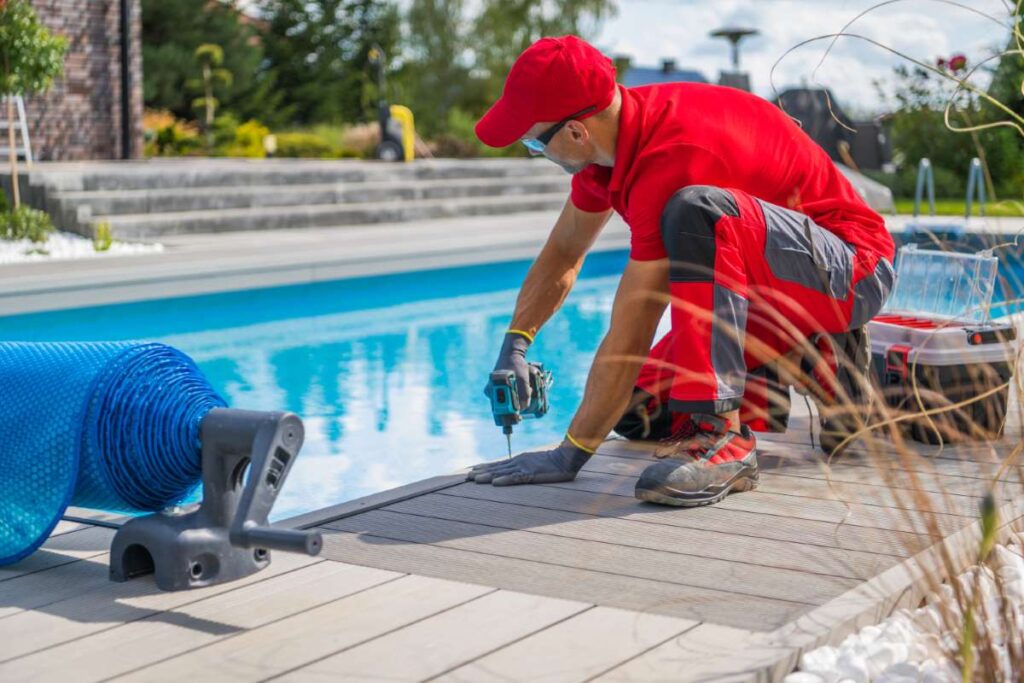
Explore the crucial role enzymes play in modern pool maintenance, ensuring crystal-clear water and efficient cleaning processes.
The Role of Enzymes in Modern Pool Maintenance
In contemporary pool maintenance, enzymes are emerging as a vital component in achieving optimal water quality and cleanliness. These specialized proteins not only help in breaking down organic matter but also enhance the overall effectiveness of pool chemicals. As pool owners and service professionals seek ways to maintain pristine swimming conditions, understanding the role of enzymes in pool care becomes essential. This blog post will delve into how enzymes function, their benefits in pool maintenance, and practical tips for incorporating them into your routine.
Maintaining a clean and healthy pool is no small task. Traditional methods often involve significant chemical use, which can lead to fluctuating water balance and potential environmental impact. However, with the introduction of enzymes, pool maintenance has seen a transformative shift. Enzymes act as natural catalysts, speeding up chemical reactions that break down contaminants, thus reducing the workload on other chemicals like chlorine. This article will explore the science behind enzymes, their advantages, and how they can lead to a more sustainable approach to pool care.
Understanding Enzymes: The Science Behind Their Function
Enzymes are biological catalysts that accelerate chemical reactions within the pool environment. They work by breaking down organic contaminants such as oils, lotions, leaves, and other debris that accumulate in pool water. By doing so, enzymes reduce the organic load in the water, which in turn minimizes the demand for chlorine and other sanitizing agents. This is especially important because a high organic load can lead to chlorine lock, where chlorine becomes less effective at sanitizing, resulting in cloudy water and algae growth.
For example, consider an outdoor pool exposed to various environmental factors. Leaves and pollen consistently enter the water, creating a habitat for bacteria and algae. Enzymes can swiftly degrade these organic materials, allowing for a cleaner pool with less reliance on harsh chemicals. Studies have shown that pools treated with enzyme products experience clearer water and lower chlorine usage, making enzyme treatments a valuable addition to any maintenance routine.
The Benefits of Using Enzymes in Pool Maintenance
One of the primary benefits of utilizing enzymes in pool maintenance is their ability to enhance water clarity. By breaking down contaminants quickly, enzymes help maintain a crystal-clear appearance, reducing the frequency of costly and labor-intensive cleanings. Moreover, the introduction of enzymes can decrease chemical costs over time as they allow other chemicals to work more effectively, resulting in a healthier swimming environment.
Additionally, enzymes contribute to a more stable water chemistry. When organic debris is broken down effectively, it prevents fluctuations in pH and alkalinity levels, which can lead to issues such as scale buildup or corrosion of pool surfaces and equipment. This stability not only prolongs the life of your pool but also minimizes the need for extensive maintenance repairs.
Furthermore, using enzyme-based products is often safer for swimmers and the environment. Traditional chemical treatments can lead to skin irritation or allergic reactions in sensitive individuals. Conversely, enzyme products are biodegradable and less likely to cause adverse health effects, making them a preferable choice for families and eco-conscious pool owners.
Practical Applications of Enzymes in Pool Care
Incorporating enzymes into your pool maintenance routine is simple and effective. A common method is to use enzyme-based cleaners and shock treatments, which can be added directly to the pool water. It’s advisable to follow the manufacturer’s guidelines for the correct dosage, as too little may not provide the desired effects, while too much could lead to unnecessary costs.
Additionally, regular testing of pool water is crucial to determine the right balance of chemicals, including enzymes. Many professional pool service companies now offer enzyme treatments as part of their regular maintenance packages. By choosing a reputable pool business broker, you can find a provider that understands the importance of enzyme use and can help you implement them effectively in your maintenance routine.
For pool service professionals, understanding the dynamics of enzyme application can significantly enhance service offerings. Educating clients about the benefits of enzymes can lead to higher customer satisfaction and retention, as clients appreciate a cleaner, healthier pool environment. Keeping clients informed about the long-term advantages of enzymes also positions you as an expert in the field.
Comparing Enzymes to Traditional Pool Chemicals
While traditional pool chemicals like chlorine and algaecides have their place in maintenance, they often work best in environments where organic debris is kept to a minimum. Enzymes, on the other hand, thrive under conditions where organic material is present. By employing both traditional chemicals and enzymes, pool owners can create a balanced approach that utilizes the strengths of each.
Many pool service professionals advocate for a hybrid approach that combines the preventative nature of enzymes with the reactive capabilities of traditional chemicals. For example, using enzymes during peak swimming season when organic contamination is high can significantly reduce the need for high doses of chlorine. This not only preserves the effectiveness of the chlorine but also improves the overall health of the pool environment.
Ultimately, the choice between enzymes and traditional chemicals should be based on individual pool conditions, usage patterns, and personal preferences. Consulting with a knowledgeable pool business broker can help you navigate these choices effectively and find the right products tailored to your needs.
Best Practices for Enzyme Use in Pools
To maximize the benefits of enzymes, it’s essential to adopt best practices for their use. Firstly, ensure your pool water is well-circulated and filtered. Enzymes operate most effectively in clean, well-maintained water, so regular filtering and circulation are necessary to distribute the enzymes evenly throughout the pool.
Additionally, consider pairing enzyme treatments with routine shock treatments. Shocking the pool weekly or bi-weekly can help eliminate residual contaminants and allow enzymes to work more effectively. Using enzyme products alongside traditional shock treatments can lead to superior water clarity and quality.
Moreover, don’t overlook the importance of regular testing and monitoring of water chemistry. Keeping pH, alkalinity, and chlorine levels balanced ensures that enzymes can function optimally, enhancing their efficiency and the overall health of the pool. For those looking for additional resources, consider exploring our [Pool Routes for Sale](https://pool-routes-for-sale.com/) to find reliable professionals who can assist in maintaining your pool.
Future Innovations in Enzyme Technology
As technology advances, the role of enzymes in pool maintenance continues to evolve. Research into new enzyme formulations and combinations is underway, aiming to enhance their effectiveness and broaden their applicability. Innovations in enzyme delivery systems may also improve how these products are marketed and applied, making them even more user-friendly for both homeowners and service professionals.
Emerging trends suggest a growing emphasis on environmentally friendly pool maintenance solutions, aligning perfectly with the use of enzymes. As public awareness of environmental issues increases, the demand for sustainable products within the pool care sector is likely to rise. This trend is already influencing the development of new enzyme-based products that are even more effective and ecologically sound.
For anyone interested in investing in pool maintenance services or starting a business in this growing sector, understanding these trends and the importance of enzymes in maintaining pool quality can provide a competitive edge. Our firm, Tower Business Brokers, offers valuable insights into pool service entrepreneurship, including [pool routes for sale in Florida](https://pool-routes-for-sale.com/) and Texas, allowing aspiring business owners to enter the market with confidence.
Conclusion
Enzymes play a pivotal role in modern pool maintenance, offering a holistic approach to water care that promotes clarity, stability, and environmental consciousness. By understanding the benefits of enzymes, pool owners and service professionals can enhance their maintenance routines, reduce chemical costs, and create a healthier swimming environment. As the industry continues to innovate, embracing enzymes will not only streamline pool care but also align with a growing commitment to sustainable practices.
For those ready to explore the advantages of owning a pool service business, consider the opportunities available through our expert brokerage services. Contact us today to learn more about how you can achieve success in the thriving pool maintenance industry. Discover the right [pool route for sale](https://pool-routes-for-sale.com/) that fits your vision and start your journey towards a profitable future.