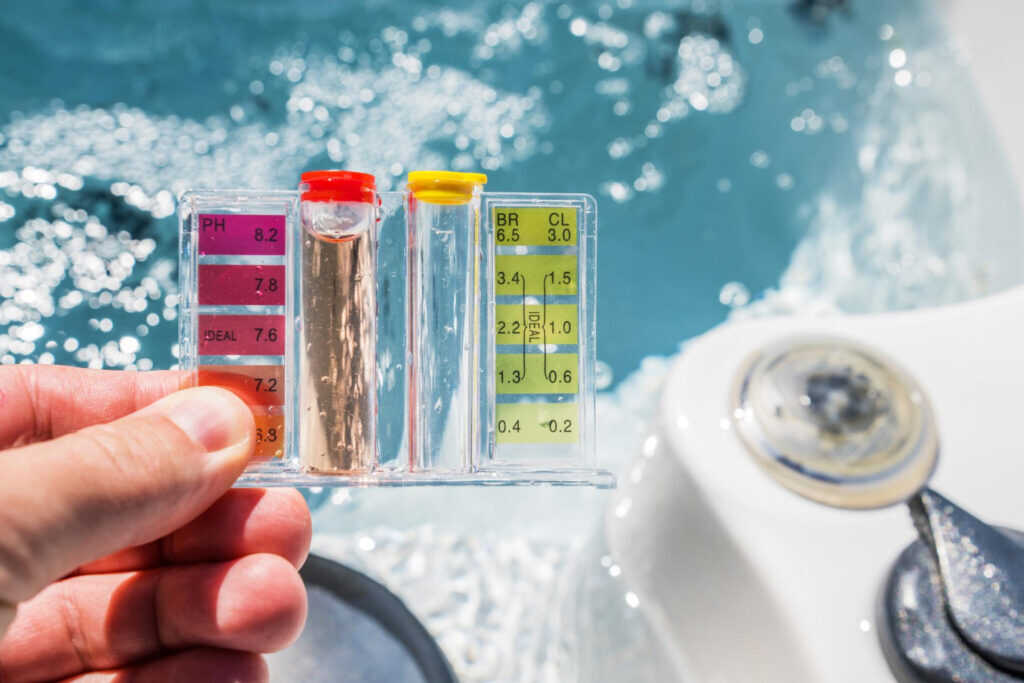
Discover the crucial link between total alkalinity and pH stability in your pool, ensuring you maintain a clean, safe, and inviting swimming environment.
The Relationship Between Total Alkalinity and pH Stability
Understanding the delicate balance between total alkalinity and pH stability is essential for anyone involved in pool management or maintenance. This blog post will delve into how these two factors interact and why they are vital for maintaining a healthy swimming environment. We’ll cover the definitions of total alkalinity and pH, their roles in pool chemistry, and practical tips for managing them effectively. Whether you’re a pool owner, a service provider, or simply interested in pool maintenance, this article aims to provide valuable insights into optimizing your pool’s water chemistry.
In the realm of pool management, total alkalinity and pH play pivotal roles in ensuring water quality. Total alkalinity serves as a buffer against pH fluctuations, while pH levels dictate the effectiveness of sanitizers and the overall comfort of swimmers. When there is an imbalance, issues such as algae growth, skin irritation, and equipment corrosion can arise. Understanding these relationships is crucial for anyone looking to maintain a pristine pool environment.
Understanding Total Alkalinity
Total alkalinity refers to the concentration of bicarbonates, carbonates, and hydroxides in water. It acts as a buffer, helping to stabilize pH levels and prevent drastic swings that can lead to discomfort and potential damage to pool surfaces and equipment. The ideal range for total alkalinity in pools is typically between 80 to 120 parts per million (ppm).
When total alkalinity is too low, pH can fluctuate rapidly, leading to acidic water that can irritate skin and eyes. Conversely, high total alkalinity can result in a higher pH, making it difficult to maintain proper chemical balance. Regular testing and adjustments are necessary to keep total alkalinity within the recommended range.
For example, if you find your pool’s alkalinity levels are low, adding sodium bicarbonate can help raise them, creating a stable environment for pH balance. Monitoring total alkalinity regularly can save you time and money in the long run by preventing more significant problems down the line.
The Role of pH in Pool Water Chemistry
pH measures the acidity or alkalinity of water on a scale from 0 to 14, with 7 being neutral. For swimming pools, the ideal pH range is between 7.4 and 7.6. Maintaining pH within this range is crucial for the effectiveness of chlorine and other sanitizers. If pH levels are too low, the water becomes acidic and can lead to corrosion of pool equipment and discomfort for swimmers. If the pH is too high, it can render sanitizers less effective and lead to cloudy water.
For instance, a pH level of 8.0 can decrease chlorine efficiency by up to 90%, making it easier for bacteria and algae to thrive. As a result, maintaining balanced pH levels is not just a matter of comfort; it directly impacts the health and safety of your pool.
In practical terms, if you notice that your pool water is cloudy or has a strong chlorine smell, it may be an indication of imbalanced pH levels. Testing your pool water regularly and making adjustments using pH increasers or decreasers can help maintain stability. Efforts to control pH levels are futile without proper total alkalinity adjustments; thus, it is crucial to manage both simultaneously.
The Interconnectedness of Total Alkalinity and pH
Total alkalinity and pH are intricately connected, much like the two sides of a coin. A well-balanced total alkalinity provides a buffer for pH levels, reducing the likelihood of drastic changes due to environmental factors such as rainfall, temperature fluctuations, or swimmer load. When total alkalinity is high, it becomes challenging to adjust pH levels, leading to persistent issues.
For example, if a pool’s total alkalinity is set at 150 ppm, it may resist attempts to lower the pH even when acid is added. In such cases, pool professionals often recommend first addressing total alkalinity before making pH adjustments. This sequential approach allows for a more effective and stable water chemistry.
Furthermore, different pool types may react differently to alkalinity and pH changes. For instance, vinyl-lined pools often require different chemical balances than concrete pools. Hence, understanding the nature of your pool can inform better maintenance strategies.
Practical Tips for Managing Total Alkalinity and pH
To maintain optimal total alkalinity and pH levels, consider the following best practices:
- Regular Testing: Utilize a reliable water testing kit to monitor total alkalinity and pH levels at least once a week. This proactive approach can help catch imbalances early.
- Gradual Adjustments: Make chemical adjustments gradually. Sudden shifts in total alkalinity or pH can lead to further instability.
- Consistent Water Circulation: Ensure that your pool’s filtration system is functioning effectively. Proper circulation helps distribute chemicals evenly and maintains balanced water chemistry.
- Utilize Quality Chemicals: Invest in high-quality pool chemicals specifically designed for your pool type. This ensures better results without damaging your pool surfaces.
By implementing these practices, you can foster a healthy pool environment that benefits both the water and the swimmers. Additionally, consider seeking out expert assistance if you find yourself regularly struggling with maintaining the right balance. Professionals like those at Tower Business Brokers, Inc. can provide insights or services tailored to your specific needs.
Challenges and Common Mistakes
Many pool owners face challenges in maintaining balanced water chemistry, often due to misunderstandings about the relationship between total alkalinity and pH. One common mistake is neglecting total alkalinity when adjusting pH levels. Focusing solely on pH can lead to persistent water quality issues and may require more extensive interventions later.
Another frequent error is relying on outdated testing methods or equipment. Modern digital testers provide more accurate readings than traditional strips, ensuring more effective maintenance. It is also wise to educate oneself on seasonal adjustments; for instance, during heavy rains, total alkalinity may drop, necessitating immediate attention.
Addressing these common pitfalls can significantly improve your pool’s maintenance routine. Always remember that prevention is key, and being proactive will lead to a more enjoyable swimming experience.
The Importance of Professional Support
For those navigating the complexities of pool maintenance, seeking professional support can be invaluable. Experts in the field possess the knowledge and tools necessary to ensure optimal water chemistry. They can conduct thorough assessments, recommend tailored solutions, and even provide ongoing maintenance services.
Furthermore, if you’re considering entering the pool service industry yourself, it’s important to align with experienced businesses. Companies like Tower Business Brokers, Inc. offer comprehensive training and support for prospective pool route owners, ensuring you’re well-equipped to maintain not just your own pool but potentially those of many clients as well.
Investing in professional guidance can save time, reduce stress, and ensure that you maintain the perfect balance of total alkalinity and pH in your pool, leading to a pristine and welcoming swimming environment.
Conclusion
In summary, the relationship between total alkalinity and pH stability plays a critical role in maintaining pool water quality. Understanding how these two factors interact empowers pool owners and service providers alike to create a safe and enjoyable swimming environment. Regular testing, gradual adjustments, and professional support can ensure that your pool remains in optimal condition.
Whether you are a pool owner looking to enhance your knowledge or considering entering the pool service industry, remember that proper maintenance is the key to success. For those looking to embark on a journey into pool route ownership, explore the opportunities available with [Pool Routes for Sale](https://pool-routes-for-sale.com/) to start your venture on a solid foundation. Contact us today to learn more about how we can assist you in achieving a successful pool maintenance business.