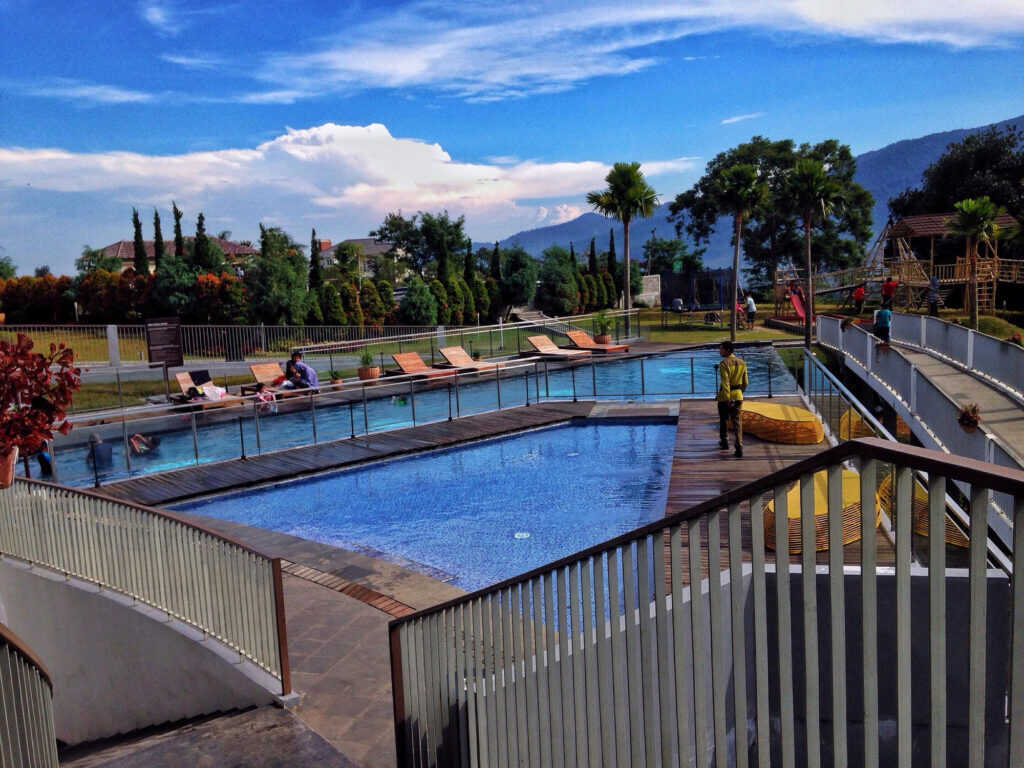
The evolution of pool maintenance is a fascinating journey that reflects shifts in technology, consumer preferences, and environmental considerations. This blog delves into the history of pool maintenance, exploring its past, present, and future.
The History of Pool Maintenance (And Where It’s Headed)
The journey of pool maintenance began thousands of years ago, tracing back to the ancient civilizations that revered water bodies for their therapeutic and recreational benefits. From the grandiose swimming baths of the Romans to today’s sophisticated pool systems, the evolution of pool maintenance has been pivotal in shaping leisure and lifestyle. As we explore this topic, we will uncover the historical milestones that have defined pool care, the advancements that have emerged in recent years, and the future innovations promising to revolutionize the industry.
In the early days, pool maintenance was primarily a manual task, requiring considerable labor and time. Ancient Romans constructed elaborate baths, maintaining them through simple techniques involving manual cleaning and the use of natural water sources. As time progressed, the growing popularity of pools in residential areas during the 20th century spurred the need for systematic maintenance practices. This transition not only enhanced the quality of pool care but also laid the foundation for the modern pool maintenance industry we recognize today.
As we dive deeper into the evolution of pool maintenance, we will highlight the significant technologies that have transformed routine upkeep, from the introduction of chemical treatments to automation. We will also analyze the environmental impacts of pool maintenance practices and how they are evolving to meet the demands of sustainability. By understanding the past and the current trends, we can better anticipate the future of this industry.
From Manual Maintenance to Chemical Innovations
The concept of maintaining swimming pools dates back to ancient civilizations, where the focus was on keeping natural water bodies clean for recreational use. Manual methods were the norm, with individuals using tools such as nets and buckets to clear debris. As pools became more common in residential settings, especially post-World War II, the need for more efficient maintenance solutions became evident.
In the 1950s and 1960s, the introduction of chemical treatments revolutionized pool maintenance. Chlorine emerged as the go-to solution for sanitizing water, effectively killing bacteria and preventing algae growth. This innovation significantly reduced the labor associated with cleaning pools, allowing owners to enjoy their pools with much less effort. By simplifying water treatment protocols, pool ownership became more accessible to the masses, leading to an explosion of private pools across the United States.
Moreover, the advent of pool filtration systems further enhanced maintenance capabilities. These systems enabled continuous water circulation and filtration, ensuring cleaner and clearer water with minimal manual intervention. Homeowners could now spend more time enjoying their pools rather than cleaning them, marking a significant shift in consumer behavior and expectations.
Technological Advancements and Automation in Pool Care
As we moved into the late 20th and early 21st centuries, technological advancements began to reshape the landscape of pool maintenance even further. The introduction of robotic pool cleaners in the 1980s offered homeowners a hands-free approach to maintaining their pools. These automated devices could effectively scrub surfaces, collect debris, and filter water with minimal human intervention. This innovation opened a new frontier for pool service businesses, leading to increased efficiency and customer satisfaction.
Another notable advancement has been the integration of smart technology into pool maintenance. Today, many pool systems come equipped with smart sensors that monitor water quality, temperature, and chemical levels in real-time. These systems can send alerts to homeowners’ smartphones, prompting them to address any imbalances before they become significant issues. This proactive approach not only enhances pool safety but also reduces the need for frequent manual checks.
Furthermore, advancements in chemical automation have simplified the process of maintaining water balance. Automated chemical dispensers can now accurately deliver the correct amounts of chlorine and other chemicals, ensuring optimal water conditions without requiring constant supervision. This level of automation is transforming how pool maintenance is approached, allowing for greater focus on customer support and service expansion.
Environmental Considerations in Modern Pool Maintenance
As concerns about environmental sustainability grow, pool maintenance practices are evolving to become more eco-friendly. The traditional methods of pool care often involved harsh chemicals that could have detrimental effects on aquatic ecosystems. As a response, the industry has seen a rise in green alternatives that prioritize environmental health.
Innovative solutions such as saltwater chlorination systems have gained popularity due to their reduced reliance on chemical additives. These systems convert salt into chlorine, creating a gentler and more environmentally-friendly sanitizing method. Additionally, the use of solar heating systems for pool water has become commonplace, allowing pool owners to enjoy comfortable swimming temperatures while reducing energy consumption.
Moreover, the push for sustainable water usage has led to the implementation of water-saving technologies, such as variable-speed pumps that consume less energy and reduce overall water waste. These advancements not only benefit the environment but also offer cost savings to pool owners through lower utility bills.
Challenges and Opportunities in the Pool Maintenance Industry
Despite the many advancements in pool maintenance, the industry faces challenges that may influence its future trajectory. The increasing complexity of pool systems necessitates a workforce that is well-versed in both traditional and modern maintenance techniques. This demand for skilled labor can strain pool service companies, leading to potential service gaps.
Moreover, the rapid pace of technological change can overwhelm both service providers and consumers. As new products and innovations enter the market, educating users on proper maintenance practices becomes crucial. Companies like Tower Business Brokers, Inc. are stepping in to address these challenges by offering training and support to pool service entrepreneurs. They provide valuable resources to help new owners navigate the intricacies of managing established customer bases and maintaining service quality.
Additionally, there are significant opportunities in the market for companies specializing in eco-friendly solutions, automated systems, and smart technology integration. Entrepreneurs looking to enter the pool maintenance industry can find a wealth of potential by investing in these forward-thinking practices.
The Future of Pool Maintenance: Trends to Watch
Looking ahead, the future of pool maintenance is poised for even more transformation. As consumers become increasingly tech-savvy, the demand for smart pool solutions will likely continue to grow. Features such as remote monitoring capabilities and integrated maintenance scheduling are becoming the norm, making it easier for pool owners to manage their investments.
Furthermore, the industry’s focus on sustainability will drive innovation in eco-friendly products and services. Companies are already exploring alternatives to traditional chemicals, such as mineral-based sanitizers and natural enzymes, as they seek to reduce their environmental impact.
The rise of data analytics will also play a significant role in the future of pool maintenance. By leveraging big data, pool service providers can better understand customer needs, predict maintenance schedules, and tailor services to individual consumers. This personalized approach will enhance customer satisfaction and loyalty, ultimately benefiting the bottom line for pool service businesses.
Conclusion
In conclusion, the history of pool maintenance is a testament to the industry’s adaptability and innovation. From its humble beginnings rooted in manual labor to the current landscape dominated by automation and sustainability, the evolution of pool care reflects societal changes and technological advancements. As we look to the future, the potential for growth and improvement in this sector remains vast.
Whether you’re an entrepreneur considering a venture in the pool maintenance industry or a homeowner looking for efficient solutions, understanding the historical context and emerging trends is vital. Embracing the advancements in technology, prioritizing environmental sustainability, and adapting to consumer needs will pave the way for continued success in the pool maintenance landscape. Explore the possibilities with established, revenue-generating pool routes available through [Pool Routes for Sale](https://pool-routes-for-sale.com/), and prepare to make your mark in this flourishing industry.