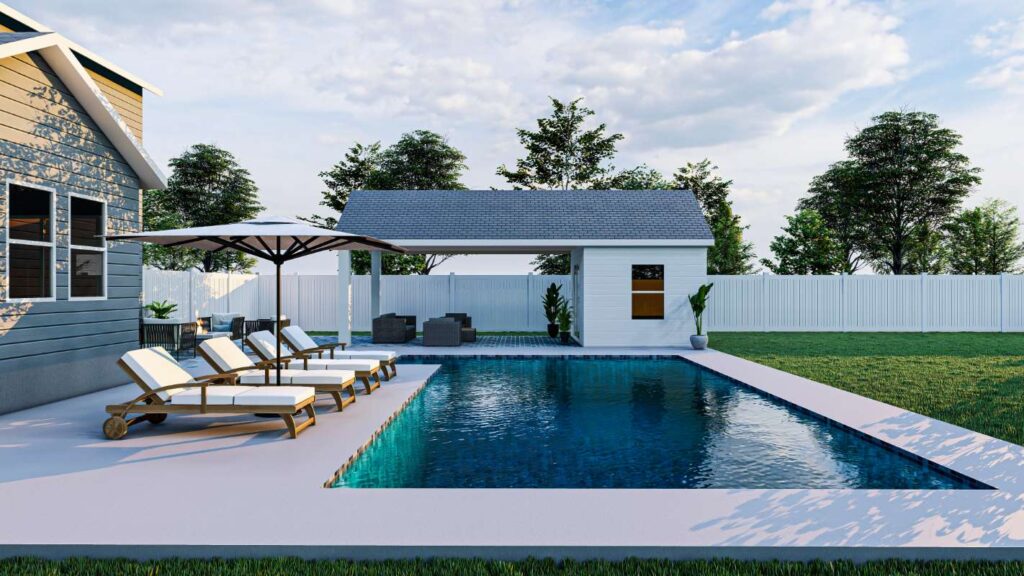
A comprehensive guide to understanding the key differences between residential and commercial pool maintenance, ensuring your pool stays in top condition.
The Differences Between Residential and Commercial Pool Maintenance
When it comes to pool maintenance, understanding the distinctions between residential and commercial pools is essential for owners, operators, and service professionals alike. While both types of pools share the common goal of keeping water clean and safe for users, the methods, frequency of maintenance, and associated costs can vary significantly. In this article, we will delve into the differences between residential and commercial pool maintenance, highlighting the unique requirements of each type and offering practical tips for effective management.
Residential pools are typically designed for private use, offering a personal space for relaxation and recreation. In contrast, commercial pools cater to a wider audience, including hotels, gyms, and community centers, where safety and cleanliness are of utmost importance due to higher usage rates. Understanding these differences helps pool owners make informed decisions about maintenance practices, budget allocations, and the importance of hiring professionals who specialize in each area.
As we explore the topic, we will cover the frequency and type of maintenance required, the specific challenges each pool type faces, cost implications, and best practices for keeping pools in optimum condition. Whether you’re a new pool owner or an experienced operator, this guide will provide valuable insights into managing your pool effectively.
Understanding Pool Types and Usage
The first step in distinguishing between residential and commercial pool maintenance is understanding the different types of pools and their usage patterns. Residential pools are generally smaller, designed for family use, and have a lower turnover of users. This means that maintenance can be tailored to the preferences of the homeowners and may not require the same level of rigorous oversight as commercial pools.
On the other hand, commercial pools are built to accommodate a high volume of users, often requiring strict compliance with health and safety regulations. These pools are subject to more stringent monitoring due to the increased potential for contamination and the need for filters and sanitation systems to operate consistently. According to the Centers for Disease Control and Prevention (CDC), commercial pools must maintain specific water quality levels to ensure public safety.
For instance, commercial pools often employ advanced filtration systems and require daily testing for pH levels, chlorine content, and overall water clarity. In residential pools, these tests can typically be performed weekly or even less frequently, depending on usage and environmental factors.
Frequency and Intensity of Maintenance
One of the most significant differences between residential and commercial pool maintenance is the frequency and intensity of maintenance tasks. Residential pool owners often perform maintenance tasks themselves, such as skimming debris, vacuuming the pool floor, and monitoring chemical levels. These tasks may be done weekly or bi-weekly, depending on the season and usage.
In contrast, commercial pools require daily maintenance to ensure compliance with health regulations and to keep the pool safe for guests. This includes not only regular cleaning but also in-depth inspections of equipment, water quality testing, and maintenance of pool facilities such as changing rooms and decking areas. Failure to maintain these standards can lead to costly fines and, more importantly, health risks to users.
Furthermore, commercial pools may require specialized equipment and skilled technicians for maintenance. For example, automated cleaning systems and advanced chemical feeders are often used in commercial settings to maintain water quality effortlessly and efficiently, while residential pools may rely on simpler tools and techniques.
Cost Considerations for Pool Maintenance
When comparing residential and commercial pool maintenance, it’s crucial to consider the cost implications associated with each. Residential pool maintenance can be relatively affordable, especially if homeowners choose to perform routine tasks themselves. However, they must still be prepared for occasional expenses related to repairs, equipment replacement, and chemical purchases.
Commercial pool maintenance, on the other hand, tends to be significantly higher due to the scale of operations and the need for compliance with regulations. Business owners must budget for regular professional services, which can include daily cleaning and extensive maintenance contracts. According to industry estimates, commercial pool maintenance can range from $500 to $1,500 or more per month, depending on the size of the pool and the frequency of required services.
For both residential and commercial pool owners, understanding these costs and planning accordingly can help prevent unforeseen expenses and ensure the longevity of their investment. For individuals considering entering the pool service industry, the profitability of maintaining commercial pools is often a compelling reason to invest in training and expertise.
Health and Safety Regulations
Health and safety regulations play a critical role in commercial pool maintenance. Regulations set by local and state health departments dictate the standards that commercial pools must meet to operate legally. This includes maintaining specific water quality parameters, ensuring proper fencing and signage, and keeping adequate records of maintenance activities.
Residential pools, while still subject to some regulations, typically have more lenient requirements. Homeowners may not be required to keep detailed logs of maintenance or adhere to the same rigorous safety standards as commercial operators. Nevertheless, it is in the best interest of homeowners to familiarize themselves with local regulations to ensure their pool is a safe environment for family and guests.
Service providers specializing in commercial pool maintenance are often well-versed in these regulations and can help clients navigate compliance issues, making them invaluable resources for commercial pool operators. They can also assist residential pool owners in understanding local laws, particularly when it comes to safety features and inspections.
Choosing the Right Maintenance Provider
Given the differences in maintenance requirements and regulations, selecting the right pool maintenance provider is crucial for both residential and commercial pool owners. For residential pools, many homeowners can opt for general pool service companies that provide routine maintenance and cleaning services tailored to individual preferences.
For commercial pools, however, the requirements are more complex, necessitating a specialized pool maintenance service with experience in handling the unique challenges associated with high-traffic facilities. These companies should have a proven track record in maintaining compliance with health standards, as well as a deep understanding of commercial pool equipment and systems.
When looking for a maintenance provider, it’s essential to inquire about their qualifications, certifications, and experience in the industry. A reputable service should also be willing to provide references and case studies demonstrating their success in managing both residential and commercial properties. This is particularly important for those considering the acquisition of a pool route for sale, as understanding the service capabilities and reputation of potential providers can impact the profitability of the investment.
Leveraging Technology in Pool Maintenance
In today’s digital age, technology plays a crucial role in both residential and commercial pool maintenance. Automated systems for cleaning, monitoring chemical levels, and managing filtration can significantly enhance the efficiency of pool upkeep. For instance, smart pool technology allows owners to monitor water quality remotely, receive alerts for maintenance needs, and optimize energy usage.
While home pool owners may implement simpler technology solutions, commercial pools often benefit from integrated systems that offer comprehensive monitoring and control. These systems can help streamline operations, reduce labor costs, and ensure optimal water quality. According to industry experts, the adoption of these technologies can lead to significant savings in operational costs and enhance the user experience.
For entrepreneurs looking to invest in the pool service industry, staying abreast of technological advancements can provide a competitive edge, especially in the commercial sector. Investing in reliable, state-of-the-art equipment not only improves service efficiency but also enhances customer satisfaction, making it a worthwhile consideration for any pool service business.
Conclusion
Understanding the differences between residential and commercial pool maintenance is essential for anyone involved in pool ownership or management. By recognizing the unique challenges, costs, and requirements associated with each type, owners can make informed decisions that ensure their pools remain safe, clean, and enjoyable for users.
As the pool maintenance industry continues to evolve, leveraging technology, adhering to regulations, and selecting the right maintenance provider will play crucial roles in long-term success. Whether you’re considering a purchase of pool routes for sale or simply looking to enhance your existing pool services, knowledge and expertise remain key drivers of success in the pool maintenance sector.
To explore available options for buying pool routes and to connect with specialists who can assist in your journey, visit [Pool Routes for Sale](https://pool-routes-for-sale.com/) today. Empower your entry into the vibrant world of pool service entrepreneurship with the right tools and insights to thrive.