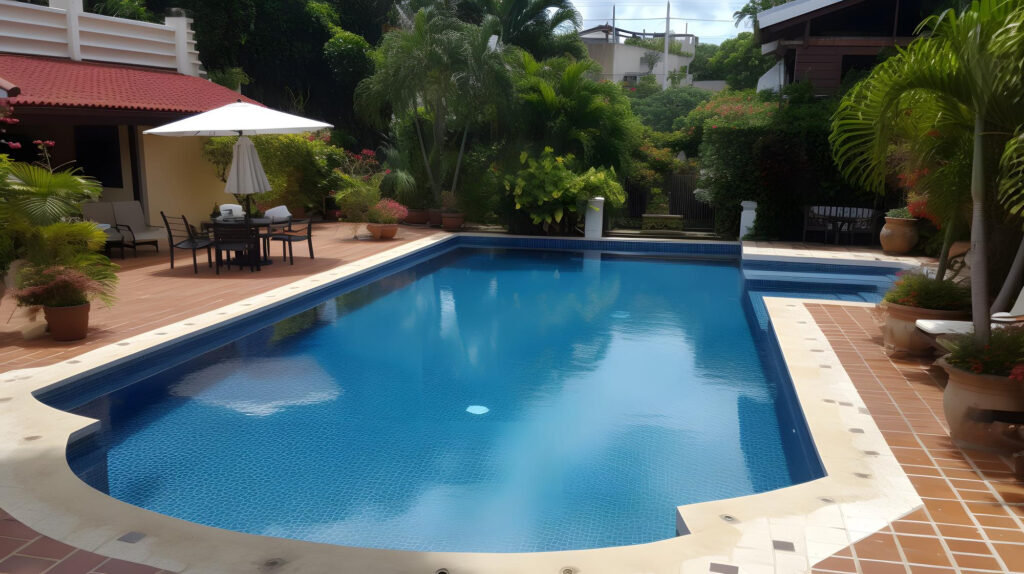
Chlorine is a common chemical used in swimming pools, but many homeowners hold misconceptions about its safety and effectiveness. This blog post will clarify these myths and provide useful insights into proper chlorine use in pool maintenance.
The Biggest Misconceptions Homeowners Have About Chlorine
Chlorine is the backbone of pool sanitation, ensuring that our pools remain safe and enjoyable. However, misunderstandings about chlorine can lead to improper usage, resulting in ineffective sanitation and potential safety hazards.
In this comprehensive guide, we will debunk common myths surrounding chlorine in pool maintenance. From misunderstandings about chlorine’s safety to its efficacy in combating bacteria and algae, we will explore the truth behind these misconceptions. Homeowners will gain clarity on the role of chlorine and practical tips to maintain a safe and clean swimming environment.
Chlorine is often regarded as a necessary evil in pool maintenance. Many homeowners believe that chlorine is solely responsible for maintaining clean water, leading to several misconceptions about its properties and usage. One prevalent myth is that all chlorine types work the same way. The reality is that there are different forms of chlorine—liquid chlorine, chlorine tablets, and granular chlorine—all with unique properties and applications.
Liquid chlorine, for instance, is a powerful sanitizer used for quick shock treatments, making it ideal for immediate chlorination needs. Chlorine tablets, on the other hand, dissolve slowly and provide a consistent release of chlorine over time, thus maintaining steady sanitation levels within the pool. Understanding these differences helps homeowners make informed decisions about which type of chlorine best suits their pool maintenance needs.
Another common misconception is that once chlorine is added to the pool, it eliminates the need for regular testing and monitoring. In reality, maintaining the correct chlorine levels is essential for effective sanitation and requires consistent testing. Fluctuations in pool usage, weather conditions, and debris can all impact chlorine levels, necessitating regular checks to ensure optimal water quality.
Chlorine and Safety: Debunking the Myths
Many homeowners fear that chlorine is unsafe, equating its strong smell with harmful effects. However, the truth is that while chlorine can cause irritation in concentrated forms, when diluted properly, it is safe for pool use. The key is to maintain the correct balance of chlorine in the water, which not only keeps the pool clean but also ensures swimmer safety.
Moreover, another misconception is that a high chlorine level guarantees clean water. In fact, excessive chlorine can cause issues such as skin and eye irritation, and may even lead to the formation of chloramines—compounds that develop when chlorine reacts with organic matter. This highlights the importance of maintaining a balanced chlorine level, ideally between 1-3 ppm (parts per million), to maximize cleanliness without compromising swimmer comfort.
Regular maintenance, including water testing and adjusting pH levels, plays a critical role in achieving this balance. Homeowners should be vigilant in monitoring their pool’s chemistry, as an imbalance can lead to lingering odors and an uncomfortable swimming experience.
The Efficacy of Chlorine: Understanding Its Role
Chlorine is not just a sanitizing agent but also plays a crucial role in the overall health of the pool environment. One of the significant misconceptions is that chlorine alone can combat all pool contaminants. While chlorine effectively kills many bacteria and viruses, it may not be sufficient against certain challenges, such as algae blooms.
To combat algae growth, homeowners should incorporate algaecides alongside chlorine treatment. Algaecides are specialized chemicals designed to prevent and control algae, ensuring a clear and clean pool. This dual approach—using chlorine for sanitation and algaecides for algae control—provides a comprehensive solution for pool maintenance.
Additionally, regular cleaning, including skimming debris and brushing pool surfaces, should complement chlorine use. This physical maintenance helps reduce the organic matter that consumes chlorine and can lead to chlorine depletion, ensuring that the pool remains sparkling clean and inviting.
Chlorine Alternatives: Exploring Options
With growing awareness about pool maintenance, homeowners often explore alternatives to traditional chlorine use. One prevalent misconception is that chlorine-free pools equate to low-maintenance pools. In reality, maintaining chlorine alternatives, such as saltwater systems or mineral pools, requires just as much care and attention.
Saltwater pools, for instance, utilize a chlorine generator to convert salt into chlorine. While this process can reduce the need for manual chlorine addition, it does not eliminate the need for regular testing and maintenance. Saltwater pools still require monitoring of chlorine levels, pH, and alkalinity to ensure optimal water quality.
Similarly, mineral pools use minerals like copper and silver to disinfect the water. While these minerals can offer a gentler swimming experience, they also require careful management and testing to maintain the proper balance. Thus, homeowners should approach these alternatives with the understanding that they still necessitate diligent upkeep similar to traditional chlorine pools.
Best Practices for Chlorine Management
To ensure a safe and enjoyable swimming experience, homeowners should adopt best practices for chlorine management. First and foremost, regular water testing is essential. Homeowners should test their water at least once a week during peak swimming season, checking for chlorine levels, pH, and alkalinity.
Additionally, understanding the chemistry behind pool maintenance is critical. Homeowners should familiarize themselves with the ideal ranges for pH (7.4-7.6), total alkalinity (80-120 ppm), and chlorine levels (1-3 ppm) to ensure a balanced pool environment. If any levels are out of balance, corrective actions should be taken promptly to maintain water quality.
Another valuable practice is to schedule periodic shock treatments, especially after heavy pool usage or after significant rainfall. Shocking the pool helps eliminate any accumulated contaminants and restores the effectiveness of chlorine, ensuring that the water remains clean and safe for swimming.
Conclusion
Understanding the facts about chlorine is crucial for every pool owner. By debunking common misconceptions and embracing sound practices, homeowners can ensure their pools remain healthy and enjoyable spaces. From recognizing the various forms of chlorine to maintaining balanced water chemistry, informed decisions will lead to a safer swimming experience.
Chlorine is a powerful ally in the fight for clean pool water, but like any tool, it requires knowledge and respect. If you’re looking to enhance your pool maintenance strategies or explore additional services, don’t hesitate to reach out for expert guidance. Visit [Pool Routes for Sale](https://pool-routes-for-sale.com/) to learn more about effective pool management and opportunities available in your area.