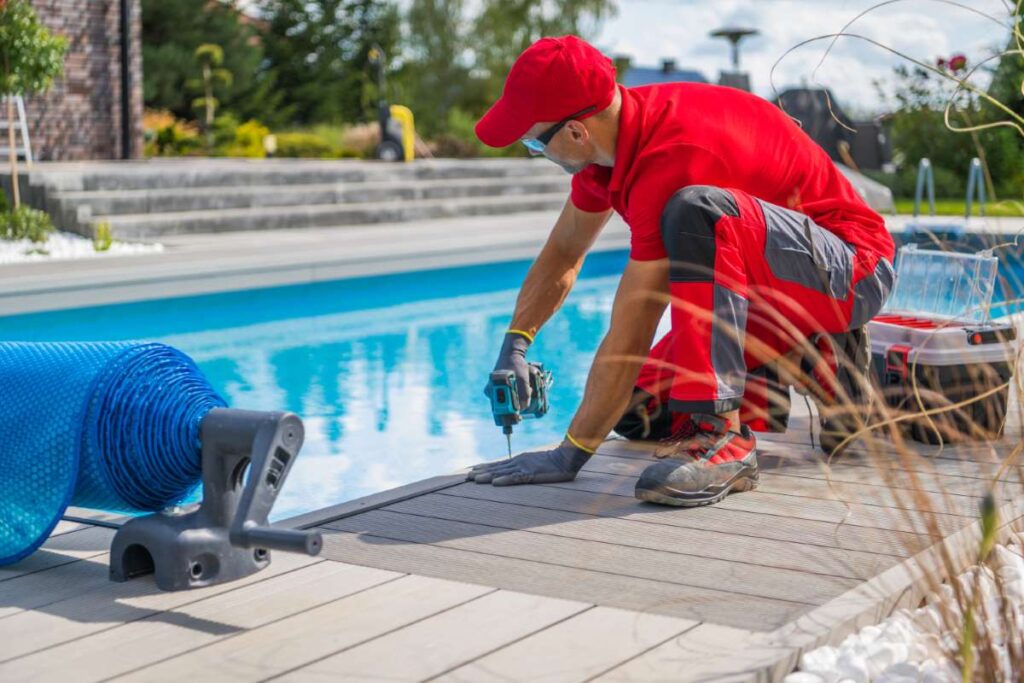
Technician Safety: How to Reduce Operational Stress
Technician safety is a critical concern in the pool maintenance industry, where professionals often face various hazards on the job. High operational stress can lead to decreased morale, increased accidents, and lower productivity. This blog post explores effective strategies to enhance technician safety and mitigate stress, ensuring a safer working environment for pool service professionals. We will delve into practical tips, best practices, and insights from industry experts to help organizations prioritize technician well-being.
As technicians work in diverse environments, they encounter various physical and mental challenges that can impact their performance and safety. High temperatures, exposure to chemicals, and physical demands of the job can lead to heightened stress levels. Understanding how to reduce operational stress not only protects technicians but also enhances overall productivity and job satisfaction.
In this post, we will discuss the importance of establishing safety protocols, implementing training programs, incorporating technology to streamline processes, and fostering a supportive workplace culture. By prioritizing technician safety, pool service companies can create a sustainable business model that benefits both employees and customers.
Establishing Comprehensive Safety Protocols
The foundation of technician safety begins with clearly defined safety protocols. These protocols should address various aspects, including personal protective equipment (PPE), safe handling of chemicals, and emergency response procedures. For instance, requiring technicians to wear gloves, goggles, and protective clothing when handling pool chemicals can significantly reduce exposure-related risks.
Additionally, companies should conduct regular safety audits to ensure compliance with established protocols. A study by the Occupational Safety and Health Administration (OSHA) indicates that effective safety programs can reduce workplace accidents by up to 40%. By actively engaging technicians in safety discussions and feedback, organizations can create a collaborative atmosphere that prioritizes safety.
Moreover, it is crucial to keep safety protocols updated based on industry standards and regulations. Regularly reviewing and revising safety procedures demonstrates a commitment to the well-being of technicians and fosters trust within the team.
Implementing Comprehensive Training Programs
Training is an essential component of reducing operational stress and enhancing technician safety. A well-structured training program prepares technicians for the challenges they may face in the field. Topics should include safe equipment handling, chemical safety, and first aid procedures. According to a report from the National Safety Council, comprehensive training can reduce workplace injuries by 30%.
Hands-on training sessions provide technicians with practical knowledge and skills to handle challenging situations effectively. Incorporating role-playing scenarios can help technicians practice their responses to emergencies, ensuring they are prepared to manage unexpected events. Furthermore, ongoing training initiatives ensure that technicians remain updated on new safety practices and technological advancements in the industry.
Encouraging a culture of learning and safety not only empowers technicians but also boosts their confidence in handling routine tasks. When technicians feel equipped with the right skills, they experience lower levels of operational stress. This investment in personnel leads to higher job satisfaction and retention rates.
Leveraging Technology to Streamline Operations
Modern technology can play a significant role in enhancing technician safety and reducing operational stress. By utilizing software solutions for scheduling, route optimization, and customer management, pool service companies can minimize the burden on technicians. For instance, GPS route optimization tools can help technicians navigate their daily assignments more efficiently, reducing travel time and associated stress.
Mobile applications designed for pool service professionals can offer real-time information about service appointments, customer preferences, and safety reminders. These tools allow technicians to work more autonomously, reducing the pressure of micromanagement and enhancing their overall job satisfaction. Additionally, companies can utilize performance analytics to identify trends and areas for improvement, further optimizing technician workloads.
Integrating technology into daily operations not only enhances efficiency but also promotes a safer work environment. For example, IoT devices can monitor equipment conditions and alert technicians to potential hazards, such as equipment malfunctions or chemical leaks. By proactively addressing these issues, technicians can work with greater confidence and less stress.
Fostering a Supportive Workplace Culture
A supportive workplace culture is essential for reducing operational stress among technicians. Organizations should prioritize open communication and encourage technicians to voice their concerns. Establishing regular check-ins, team meetings, and feedback sessions can create a transparent environment where technicians feel valued and heard.
Moreover, addressing mental health and well-being is crucial. Providing access to resources such as counseling services or stress management workshops can significantly impact technicians’ ability to cope with job-related stress. Companies that invest in their employees’ mental health often see improved morale and productivity.
Recognizing and rewarding technicians for their hard work and commitment can also contribute to a positive workplace culture. Celebrating milestones, achievements, and safety records fosters a sense of belonging and motivates technicians to prioritize safety in their daily tasks.
Promoting Work-Life Balance
Operational stress is often exacerbated by long hours and a lack of work-life balance. Pool service companies should strive to create schedules that allow technicians to maintain a healthy equilibrium between their professional and personal lives. Offering flexible working hours or encouraging time off can significantly reduce burnout and enhance overall job satisfaction.
Additionally, implementing a buddy system where technicians can support each other during busy periods can alleviate the pressure of high workloads. A collaborative approach allows technicians to share responsibilities and reduces the stress associated with tight deadlines or challenging assignments.
By promoting work-life balance, companies can cultivate a healthier workforce, leading to higher retention rates and improved overall performance. Technicians who feel supported in both their work and personal lives are more likely to exhibit loyalty to their employers and provide exceptional service to clients.
Utilizing Feedback for Continuous Improvement
Continuous improvement is vital for creating a safe and supportive work environment. Companies should actively seek feedback from technicians regarding safety protocols, training programs, and overall job satisfaction. Conducting anonymous surveys can encourage honest responses and provide invaluable insights into areas where improvements are needed.
By demonstrating a commitment to addressing concerns and implementing changes based on technician feedback, companies can foster a culture of trust and collaboration. This approach not only enhances safety but also empowers technicians to take ownership of their work environment.
Furthermore, analyzing incident reports and near misses can provide crucial data for identifying trends and implementing preventative measures. By learning from past experiences, organizations can continuously refine their safety protocols and training programs, ultimately reducing operational stress and enhancing technician safety.
Conclusion
Technician safety and reducing operational stress are paramount in the pool maintenance industry. By establishing comprehensive safety protocols, implementing effective training programs, leveraging technology, fostering a supportive workplace culture, and promoting work-life balance, organizations can create a safer and more productive environment for technicians.
Investing in technician well-being not only protects employees but also enhances customer satisfaction and overall business performance. As the pool maintenance industry continues to evolve, prioritizing safety will be essential for future success. To explore how to enhance your pool service operations, consider reaching out to [Tower Business Brokers](https://pool-routes-for-sale.com/) for expert guidance and resources.