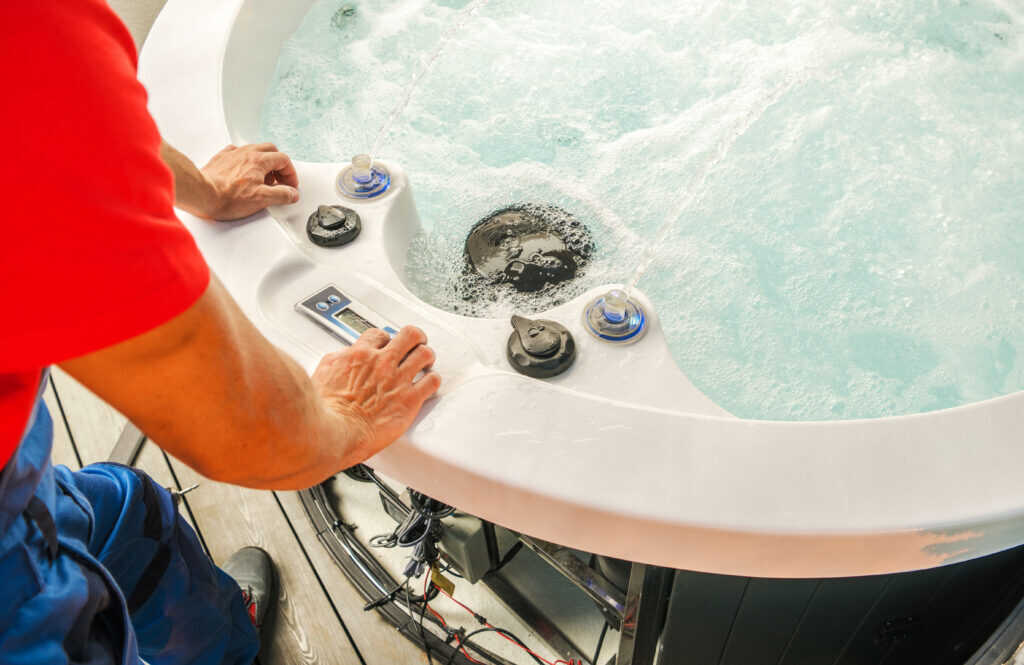
Service Technician Training: The Science Behind Better Performance
Service technician training is a critical component in the thriving pool maintenance industry. With the increasing demand for skilled technicians, effective training can significantly enhance performance, boost customer satisfaction, and drive business growth. This blog post will delve into the scientific principles behind successful training programs, explore their impact on technician performance, and provide actionable insights for pool service businesses looking to elevate their operations.
The relevance of skilled service technicians cannot be overstated in the pool maintenance industry. As pool service businesses expand, the need for trained professionals becomes paramount to ensure quality service delivery. This article will discuss various dimensions of service technician training, the importance of ongoing education, and how these elements contribute to overall business efficiency.
Understanding the Foundations of Effective Technician Training
Effective service technician training begins with a solid foundation in the technical skills required for pool maintenance. A thorough understanding of pool chemistry, equipment operation, and repair techniques is crucial for technicians to perform their jobs efficiently. According to industry studies, well-trained technicians can increase service quality by up to 40%, leading to higher customer satisfaction and retention rates.
Moreover, hands-on training is instrumental in developing problem-solving abilities. Technicians need to learn not only the theoretical aspects of pool maintenance but also how to apply their knowledge in real-world scenarios. For instance, a technician trained in diagnosing equipment failures is more likely to resolve issues quickly, minimizing downtime for customers and maximizing operational efficiency.
Incorporating Technology in Training Programs
As the pool maintenance industry evolves, integrating technology into training programs becomes increasingly beneficial. E-learning platforms, virtual simulations, and mobile applications can enhance learning experiences by providing interactive and flexible training options. These tools allow technicians to acquire knowledge at their own pace while also offering immediate access to essential resources when on the job.
Furthermore, utilizing technology allows for data-driven training assessments. Companies can track technicians’ progress, identify skill gaps, and tailor training programs accordingly. This targeted approach not only improves individual performance but also contributes to the overall success of the organization.
The Role of Continuous Education
Service technician training should not be a one-time event. Continuous education is vital for keeping technicians updated on the latest industry trends, innovations, and best practices. Regular training sessions can cover new equipment, advanced water chemistry, and emerging technologies in the pool maintenance sector.
According to a report by the Association of Pool & Spa Professionals, businesses that invest in ongoing education for their technicians report a significant increase in customer satisfaction and loyalty. This is largely due to technicians being better equipped to handle various challenges, leading to more effective service delivery.
Measuring the Impact of Training Programs
To truly understand the effectiveness of technician training programs, measuring their impact is essential. Key performance indicators (KPIs) such as customer satisfaction scores, service completion times, and technician retention rates can provide valuable insights into how well training is translating into performance on the ground.
For instance, a company that implements a robust training program may find that its technicians complete service calls 20% faster than before, leading to increased revenue opportunities. Additionally, reduced service errors can result in lower operational costs and higher profit margins, showcasing the tangible benefits of investing in technician training.
Practical Tips for Implementing Successful Training Programs
When developing a training program for service technicians, consider the following best practices:
- Assess Training Needs: Conduct a skills inventory to identify gaps in knowledge and tailor the training program accordingly.
- Create Hands-On Opportunities: Ensure that training includes practical, hands-on experiences that reflect real-world scenarios.
- Incorporate Feedback: Regularly seek feedback from technicians about the training program to make continuous improvements.
- Utilize Experienced Trainers: Engage expert trainers with extensive industry knowledge to ensure the material is relevant and impactful.
- Encourage Peer Learning: Facilitate opportunities for technicians to share knowledge and experiences with one another.
The Importance of Soft Skills Training
While technical skills are paramount, soft skills training is also essential for service technicians. Communication, teamwork, and customer service skills play a vital role in how technicians interact with clients and colleagues. Training programs that incorporate soft skills can lead to improved customer interactions and better teamwork among staff, fostering a positive work environment.
For example, technicians who are trained in customer service techniques are better equipped to handle client concerns and complaints, leading to enhanced customer satisfaction and loyalty. The ability to communicate effectively can also help technicians explain complex issues in a manner that clients understand, further solidifying trust and rapport.
Leveraging Training for Business Growth
Investing in service technician training offers numerous benefits for pool service businesses beyond just improved performance. A well-trained workforce can drive business growth by enabling companies to take on more clients, expand service offerings, and enhance their reputation in the industry. Moreover, retaining skilled technicians reduces turnover costs and fosters a culture of excellence within the organization.
Consider the case of a pool service company that implemented a comprehensive training program, which led to increased service efficiency and customer satisfaction. As a result, they were able to expand their operations by acquiring additional pool routes, generating immediate revenue and establishing a presence in new markets.
Supporting Technicians Beyond Training
To sustain improvements in performance, it’s crucial to provide ongoing support to technicians even after the initial training. Regular check-ins, mentorship programs, and access to updated resources can help technicians stay engaged and informed about industry trends. Encouraging a culture of continuous learning and professional development not only enhances individual performance but also fortifies the company’s overall success.
Moreover, recognizing and rewarding achievements can motivate technicians to pursue excellence in their work. Celebrating milestones, such as completing advanced training or receiving positive customer feedback, fosters a sense of accomplishment and encourages further growth.
Conclusion
In conclusion, service technician training is a fundamental aspect of enhancing performance in the pool maintenance industry. By focusing on technical skills, incorporating technology, emphasizing continuous education, and supporting soft skill development, businesses can create a workforce that is not only skilled but also engaged and motivated.
The investment in comprehensive training programs pays dividends through improved service quality, increased customer satisfaction, and sustained business growth. As the pool maintenance industry continues to evolve, prioritizing service technician training will ensure your business remains competitive and successful.
For those looking to explore opportunities in the pool maintenance industry, consider reaching out to Tower Business Brokers. With a range of [pool routes for sale](https://pool-routes-for-sale.com/) and comprehensive training programs, they can help you embark on a successful journey into pool service entrepreneurship.