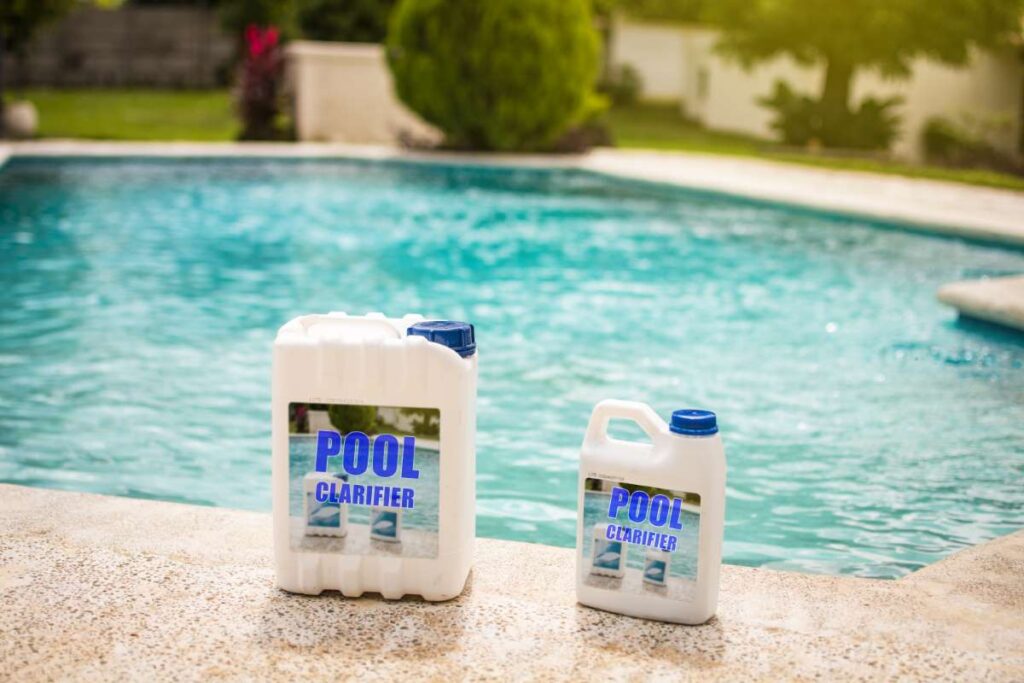
Discover the secrets to enhancing your pool’s performance with seasonal care tips, expert insights, and practical advice for pool owners.
Seasonal Pool Care: The Science Behind Better Performance
In the world of pool ownership, seasonal care is not just a routine; it’s a science. Understanding the distinct needs of your pool throughout the year can lead to better performance, improved water quality, and an overall enjoyable swimming experience. This blog post dives deep into seasonal pool care, exploring its significance, the science behind various maintenance practices, and how to implement them effectively. From spring clean-ups to winter preparations, we will provide you with the knowledge and strategies needed to keep your pool in pristine condition all year round.
As a pool owner, you may often wonder why seasonal maintenance is crucial. Each season presents unique challenges and requirements that impact your pool’s health. By keeping your pool well-maintained according to the season, you not only ensure its longevity but also enhance its performance, making it a safe and welcoming environment for family and friends. Let’s delve into the specifics of seasonal pool care and uncover the science that supports these maintenance practices.
The Importance of Spring Pool Maintenance
Spring marks the beginning of the swimming season, making it essential to prepare your pool for the upcoming months. The first task on your list should be a thorough cleaning. This includes removing debris, cleaning the filters, and checking the pool’s equipment to ensure everything is functioning correctly. Did you know that neglecting spring maintenance can lead to algae growth and water imbalances? Regular cleaning helps prevent these issues, ensuring your pool remains inviting.
According to the Pool & Hot Tub Alliance, proper spring maintenance can decrease chemical use by up to 30%, saving you money in the long run. Moreover, checking the pool’s pH levels and balancing the water chemistry is crucial during this season. A balanced pH level not only protects your pool surfaces from damage but also enhances the effectiveness of your sanitizing agents. To ensure optimal performance, consider hiring a professional to conduct a thorough assessment of your pool’s condition.
In addition, spring is the perfect time to inspect your pool’s structure and surrounding areas. Look for cracks in the tiles, wear and tear on the coping, and any signs of damage in the equipment. Addressing these issues early can prevent costly repairs later on. Investing time into proper spring maintenance increases the longevity of your pool, making it a valuable asset to your home.
Summer Pool Care: Keeping Your Pool Crystal Clear
As the temperatures rise, so does the pool’s usage. Summer is undoubtedly the peak season for swimming, which means your pool requires consistent care. The primary focus should be on maintaining water clarity and chemical balance. Frequent skimming and vacuuming are essential to remove debris that can cloud the water. Remember, a clean pool not only looks inviting but also minimizes the risk of waterborne illnesses.
Regularly testing the water chemistry is vital during the summer months. High temperatures can affect chlorine levels, leading to faster evaporation and reduced sanitation. Experts recommend checking the chlorine levels at least twice a week, adjusting them as needed to keep the water safe for swimming. Additionally, adding algaecides can help prevent algae growth, which is more prevalent in the hot summer months.
Furthermore, summer heat poses challenges to the pool’s overall infrastructure. Make it a routine to inspect the filter and pump systems regularly. Clean the filter as needed and ensure that the pump is operational to prevent overheating. Moreover, pay close attention to the pool’s water levels, as evaporation can lead to imbalances that affect performance. By staying vigilant with summer care, you can enjoy a clean and refreshing swimming experience.
The Fall Transition: Preparing for Cooler Weather
As summer fades and fall arrives, your pool care routine should adapt accordingly. Fall maintenance is crucial to prepare the pool for winter. Start by removing fallen leaves and debris to prevent clogging the skimmers and filters. If left unattended, organic matter can decompose and lead to water quality issues.
In addition to cleaning, this is an excellent time to assess the pool’s equipment. Check the heater, pipes, and pumps for any signs of wear and tear. Fall is also the perfect time to balance the water chemistry in preparation for winter. Ensuring proper chemical levels can prevent algae growth during the colder months. Experts recommend lowering the water level slightly before winterizing, which helps to prevent freezing and cracking.
Furthermore, consider investing in a winter cover to protect your pool from harsh weather conditions. A quality cover not only keeps debris out but also minimizes the need for extensive cleaning come spring. By taking proactive measures in the fall, you can save time and effort in the spring, making pool opening much smoother.
Winter Pool Care: Protecting Your Investment
Even during winter, maintaining your pool is essential to avoid costly repairs when spring arrives. The first step is properly winterizing the pool, which involves balancing water chemistry and ensuring all equipment is drained to prevent freezing. Failing to do so can lead to significant damage, particularly if pipes burst due to ice expansion.
During the winter months, regular checks on the pool cover are necessary. Ensure it remains secure and free from debris accumulation. Accumulated snow or leaves can weigh down the cover and cause damage to the pool itself. If temperatures drop significantly, consider running the filtration system periodically to prevent freezing.
Additionally, winter is a great time to plan for future enhancements. Use this downtime to research and strategize any improvements or upgrades you’d like to make for the next pool season. Consider consulting with experts on the latest trends in pool technology and care. As you prepare for spring, your proactive winter care will pay dividends in the upcoming months.
Best Practices for Year-Round Pool Maintenance
Implementing best practices in pool maintenance can significantly enhance your pool’s performance. Here are a few tips to keep in mind throughout the year:
- Regular Testing: Conduct water tests at least every two weeks to ensure balanced chemistry.
- Skimming and Vacuuming: Remove debris promptly to maintain clarity and prevent algae growth.
- Equipment Checks: Regularly inspect and service your pool equipment to ensure optimal performance.
- Seasonal Care: Adjust your maintenance practices according to the changing seasons to address unique challenges.
By adhering to these best practices, you can maintain not only the beauty of your pool but also its operational efficiency. For more in-depth insights, consider reaching out to experts in pool care or exploring services that specialize in seasonal maintenance.
Conclusion
Seasonal pool care is more than just a chore; it’s a science that plays a critical role in ensuring your pool’s performance and longevity. By understanding the unique needs of your pool throughout the year, you can effectively manage its health and provide a safe, enjoyable swimming environment for your family and friends. From spring clean-ups to winter preparations, proactive maintenance is vital.
As we’ve discussed, each season offers distinct challenges and opportunities to enhance your pool’s condition. Implement the tips and strategies shared in this article, and consider partnering with professionals for comprehensive support. If you’re interested in learning more about pool ownership or need assistance in finding the right pool route, don’t hesitate to explore our services at Tower Business Brokers. Together, let’s ensure your pool remains a cherished part of your home for years to come.
Contact us today to discover more about pool route opportunities and how you can enhance your pool ownership experience!