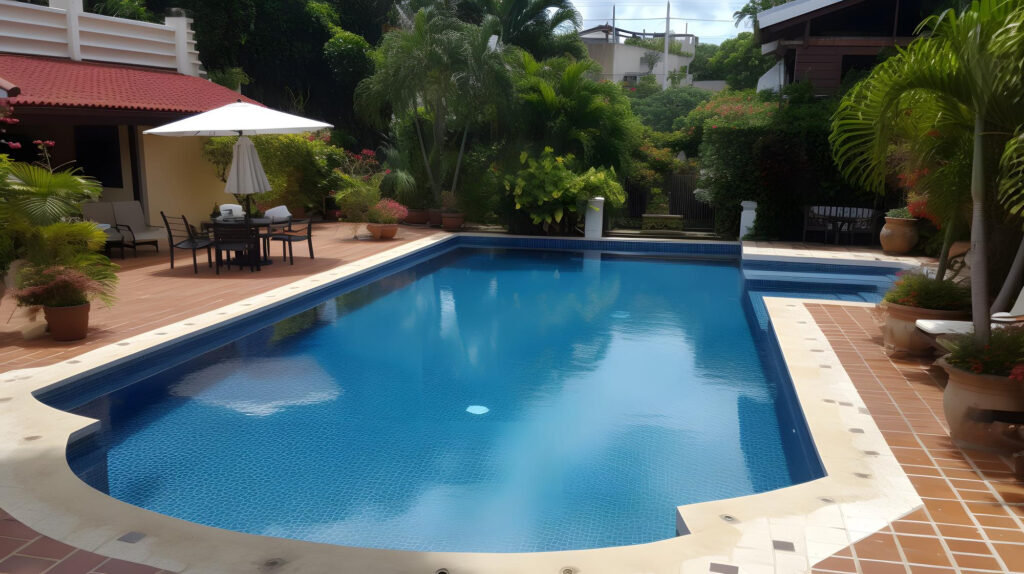
Discover how a route density strategy can streamline your pool service business operations and enhance profitability with effective tools and insights.
Route Density Strategy: Tools That Make the Job Easier
In today’s competitive pool maintenance industry, implementing a route density strategy is essential for maximizing efficiency and profitability. This approach focuses on increasing the number of service calls within a specific geographic area, thereby reducing travel time and operational costs. In this blog post, we will explore the intricacies of route density strategies, the key tools that make implementing these strategies easier, and the numerous benefits they can bring to your pool service business. Whether you’re an aspiring entrepreneur or a seasoned pool service owner, understanding and applying these concepts can significantly impact your success.
The pool service industry is seeing a surge in demand, especially in regions like Florida and Texas, where warm climates foster year-round swimming pool usage. With this growing demand, businesses must optimize their operational strategies to stay ahead of the competition. A well-implemented route density strategy can lead to improved customer satisfaction, increased revenue, and streamlined operations. We will delve into how to effectively utilize tools and techniques to enhance your route density, thereby positioning your business for long-term success.
Understanding Route Density and Its Importance
Route density refers to the practice of optimizing service routes to maximize the number of clients served in a given area. This strategy minimizes wasted travel time, reduces fuel costs, and allows service technicians to attend to more clients within a shorter timeframe. For pool service businesses, adopting a route density strategy can result in improved operational efficiency and higher profit margins.
Statistics indicate that businesses with higher route density often witness a significant reduction in operational costs. For instance, a study by the American Trucking Associations found that optimizing delivery routes can save companies up to 20% on fuel expenses. In the pool maintenance sector, these savings can translate into lower prices for clients or increased profitability for owners.
Consider the example of a pool service company in Florida that implemented route density strategies. By clustering service calls within densely populated neighborhoods, they were able to increase their daily service calls from 10 to 15, effectively boosting their revenue by 50%. This approach not only enhanced their efficiency but also improved customer satisfaction through timely and consistent service.
Key Tools for Implementing Route Density Strategies
To effectively implement a route density strategy, businesses can leverage various tools that enhance operational efficiency. These tools range from route optimization software to customer management systems. Each tool plays a pivotal role in streamlining operations and ensuring that service technicians are dispatched efficiently.
Route optimization software, such as Route4Me or OptimoRoute, allows businesses to generate the most efficient routes based on several factors, including traffic patterns, service time, and customer locations. These tools automatically calculate the best routes, reducing the time spent on planning and allowing technicians to focus on providing quality service.
In addition to optimization software, customer relationship management (CRM) systems can also enhance route density strategies. A CRM tool helps in tracking customer history, scheduling service appointments, and managing customer communications effectively. By utilizing CRM systems, pool service businesses can ensure that they maintain a loyal customer base and adapt their services to meet changing customer needs.
The Role of Geographic Information Systems (GIS)
Geographic Information Systems (GIS) technology plays a crucial role in enhancing route density strategies. GIS allows businesses to visualize their customer distributions and identify areas with high service demand. By analyzing spatial data, pool service companies can pinpoint regions where they can increase service capacity and streamline their operations.
For example, a pool service company could use GIS to analyze service requests and identify neighborhoods with a growing demand for pool maintenance services. By concentrating their marketing efforts and service routes in these high-demand areas, companies can maximize their efficiency and revenue potential.
Moreover, GIS can aid in understanding seasonal trends that affect pool usage and maintenance needs. By analyzing historical data, businesses can predict peak service times, allowing them to adjust staffing and resources effectively. This proactive approach to service management can lead to improved customer satisfaction and higher profit margins.
Best Practices for Enhancing Route Density
Implementing a successful route density strategy involves more than just adopting technology; it also requires adherence to best practices. One key practice is maintaining open communication with your service team. Regularly discussing route efficiency, customer feedback, and service challenges can help identify areas for improvement.
Additionally, training your staff on the importance of route density and how to utilize the tools provided is essential. Empowering your technicians with the knowledge and skills needed to optimize their routes will not only enhance productivity but also foster a culture of continuous improvement within your organization.
Another best practice is leveraging customer feedback. Engaging with customers post-service can provide valuable insights into potential service area expansions and enhancements. By understanding customer needs and preferences, pool service companies can adjust their routes accordingly, ensuring that they are meeting demand effectively.
Adopting Technology for Operational Efficiency
Incorporating modern technology is crucial for enhancing route density strategies. Mobile applications that allow technicians to access real-time information about their routes, service history, and customer preferences can significantly improve operational efficiency. Such apps enable technicians to make informed decisions on the spot, enhancing the customer experience.
For instance, a mobile app can notify technicians of last-minute service requests or changes in scheduling, allowing them to adjust their routes dynamically. This flexibility can lead to increased efficiency and customer satisfaction, as clients appreciate timely and responsive service.
Moreover, integrating payment processing solutions directly into these mobile applications can streamline the billing process, reducing administrative tasks and enhancing cash flow. This technological integration fosters a smoother operational flow, allowing pool service companies to focus on delivering exceptional service.
Challenges in Implementing Route Density Strategies
While there are numerous benefits associated with implementing a route density strategy, businesses may also face challenges. One common hurdle is the resistance to change from employees who may be accustomed to traditional service methods. Overcoming this resistance requires effective communication and demonstrating the tangible benefits of adopting new strategies.
Additionally, businesses may encounter difficulties in accurately mapping their service areas. Ensuring that service routes are optimized based on current data and customer needs can be a complex task, especially in rapidly changing markets. Regularly updating service maps and customer data is essential for aligning routes with actual demand.
Furthermore, businesses must be prepared to invest in training and technology to support these strategies. While the initial costs may seem daunting, the long-term benefits of increased efficiency and profitability often outweigh these upfront investments. Understanding the value of these tools and practices is critical for sustained success in the pool maintenance industry.
Exploring Route Density Strategies in Florida and Texas
The pool service markets in Florida and Texas present unique opportunities and challenges for implementing route density strategies. In Florida, where the climate is favorable for year-round pool use, businesses can capitalize on high demand by strategically clustering service routes in densely populated areas such as Miami and Orlando.
In Texas, cities like Houston and Dallas also present significant opportunities for route optimization. With large populations and a growing number of swimming pools, focusing on route density can lead to substantial revenue growth for pool service companies operating in these regions.
Moreover, understanding local regulations and competition is essential for successfully implementing route density strategies. By analyzing market trends and customer behaviors in these states, businesses can tailor their approaches to meet the specific needs of their target audiences.
The Future of Route Density Strategies
As the pool maintenance industry continues to evolve, the importance of effective route density strategies will only increase. Advancements in technology, such as artificial intelligence and machine learning, are set to further enhance route optimization capabilities. These innovations will allow businesses to analyze vast amounts of data to make informed decisions about service allocation.
Furthermore, consumer preferences are shifting towards more personalized service experiences. Companies that can leverage route density strategies to ensure timely and efficient service will likely gain a competitive edge in the market. By continually adapting to changing trends and investing in the right tools, pool service businesses can thrive in the dynamic landscape of the industry.
Conclusion
In conclusion, implementing a route density strategy is essential for pool service businesses looking to maximize efficiency and profitability. By utilizing advanced tools such as route optimization software, GIS technology, and CRM systems, companies can streamline their operations and enhance customer satisfaction.
Despite the challenges associated with implementing these strategies, the benefits far outweigh the hurdles. With a focus on training, communication, and leveraging technology, pool service companies can position themselves for success in a competitive market.
For those interested in exploring and purchasing established, revenue-generating pool routes, [Pool Routes for Sale](https://pool-routes-for-sale.com/) offers a variety of options in Florida and Texas. Start your journey towards efficient and profitable pool service ownership today!