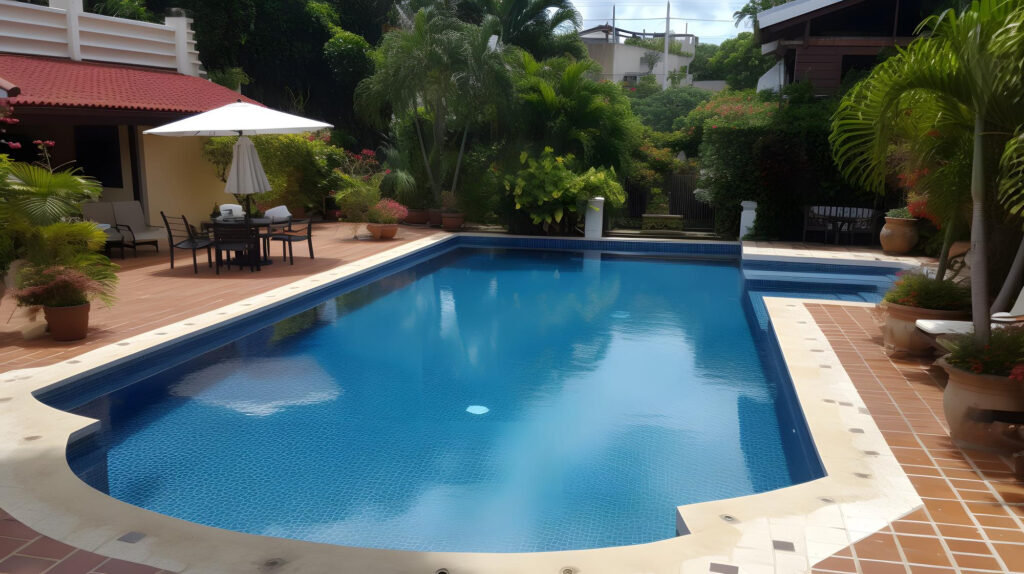
Enhance your operational efficiency and reduce stress with our route density strategy, essential for pool service entrepreneurs.
Route Density Strategy: How to Reduce Operational Stress
In the competitive world of pool service businesses, efficiency isn’t just an advantage—it’s a necessity. Implementing a route density strategy can significantly decrease operational stress for entrepreneurs. This blog post will explore what route density is, its importance in the pool maintenance industry, and actionable steps to implement this strategy effectively. We’ll also discuss the benefits of leveraging established customer bases and immediate revenue through efficient route planning and management.
As demand for pool services continues to rise, operational stress often follows suit. Business owners must juggle customer satisfaction, timely service delivery, and efficient resource allocation. A route density strategy focuses on optimizing service routes to minimize travel time and maximize profitability. This approach not only eases the workload but also enhances overall service quality, leading to happier customers and increased revenues.
This article will delve into the nuts and bolts of route density strategies. We will discuss the fundamental concepts, provide real-world examples, and offer practical tips that pool service professionals can adopt. Additionally, we will touch on how leveraging existing customer bases can streamline operations and bring in immediate income.
Understanding Route Density
Route density refers to the concentration of service calls within a particular geographic area. For pool service businesses, higher route density means having multiple clients located close to one another, which reduces travel time and costs. Optimizing routes to maximize density can lead to higher efficiency and lower operational stress on staff.
Consider a pool service company that has clients scattered across a large area versus one that has a cluster of clients within a few blocks. The latter can complete more jobs in less time, leading to significant cost savings and the ability to serve more customers. According to industry reports, companies that effectively implement route density strategies can see a 10-30% increase in operational efficiency.
Implementing a route density strategy starts with mapping out current clients and identifying geographical clusters where demand is concentrated. This mapping exercise allows business owners to visualize their service area and make informed decisions about where to focus their efforts.
Benefits of Route Density Strategies
Adopting a route density strategy offers numerous benefits for pool service entrepreneurs. One of the most significant advantages is the reduction in operational stress. By minimizing travel distances, employees spend less time on the road and more time on service delivery. This not only enhances job satisfaction but also improves productivity.
Furthermore, optimizing routes can lead to direct financial benefits. For instance, lower fuel costs and decreased vehicle maintenance can result in substantial savings. Additionally, when businesses can serve more clients in a single trip, they can increase their revenue without proportionally increasing their operational costs.
Moreover, higher route density allows for better scheduling flexibility. With more jobs concentrated in one area, it’s easier to adapt to last-minute changes or emergencies, ensuring that customer needs are met promptly.
Implementing a Route Density Strategy
To successfully implement a route density strategy, pool service businesses should follow a structured approach. First, they should conduct a thorough analysis of their current client base. Mapping software or geographic information systems (GIS) can be helpful tools in visualizing client locations and identifying clusters.
Next, businesses should evaluate their service offerings and determine which services are most in demand within these high-density areas. This can guide resource allocation, ensuring that staff are deployed where they are needed most.
Once the analysis is complete, businesses can develop a strategic plan for route optimization. This includes creating efficient service schedules, setting realistic timeframes for each job, and allocating resources effectively to meet the increased demand in densely populated areas.
Leveraging Established Customer Bases
By focusing on high-density areas, pool service businesses can leverage established customer bases to enhance their operational efficiency. Acquiring routes that come with a loyal customer base ensures immediate revenue generation, allowing new owners to bypass the often lengthy process of building relationships from scratch.
For example, a pool route for sale in Florida may offer an established clientele with consistent service needs. By purchasing such a route, entrepreneurs can immediately start generating income while focusing on maintaining high service standards to retain those customers.
Additionally, ongoing customer relationships can facilitate upselling opportunities, such as offering additional services like pool cleaning or maintenance plans. Businesses that capitalize on these established relationships often enjoy higher customer retention rates and increased overall profitability.
Best Practices for Route Optimization
Implementing a route density strategy requires strategic planning and best practices. Here are some actionable tips for pool service entrepreneurs:
- Utilize Technology: Invest in route optimization software that can help automate route planning and scheduling. Tools like GPS tracking can also assist in monitoring service efficiency.
- Regularly Review Routes: Continuously analyze service routes and adjust them based on changing client needs, seasonal demands, and new service offerings.
- Provide Training: Ensure that your team is trained on best practices for time management and efficient service delivery, emphasizing the importance of maintaining customer satisfaction.
- Solicit Feedback: Regularly gather customer feedback to identify areas for improvement and address any concerns quickly, enhancing overall service quality.
Exploring Pool Routes for Sale
For those looking to expand their pool service business, exploring [Pool Routes for Sale](https://pool-routes-for-sale.com/) is a viable option. These routes often come with established customer bases, providing immediate income and reducing the time needed to grow a business organically.
Focusing on routes in high-demand areas can significantly reduce operational stress while positioning your business for growth. In states like Florida and Texas, where pool ownership is prevalent, finding the right [pool route for sale](https://pool-routes-for-sale.com/) can offer lucrative opportunities for entrepreneurs.
Investing in an established pool route not only ensures immediate revenue but also provides a platform for future expansion. With the right strategies in place, businesses can leverage these assets to maximize their potential.
Conclusion
In today’s fast-paced pool maintenance industry, implementing a route density strategy is essential for reducing operational stress and enhancing efficiency. By focusing on high-density areas and leveraging established customer bases, pool service entrepreneurs can enjoy immediate income and sustainable growth.
As you consider your next steps, remember that investing in [pool routes for sale in Florida](https://pool-routes-for-sale.com/) or Texas can provide a pathway to a more successful and less stressful business model. Take the time to analyze your current operations, and don’t hesitate to reach out to experts for guidance.
Start optimizing your routes today and experience the benefits firsthand. For more insights and to explore available pool routes, visit [Tower Business Brokers, Inc.](https://pool-routes-for-sale.com/). Your journey toward operational efficiency and success in the pool service industry starts now.