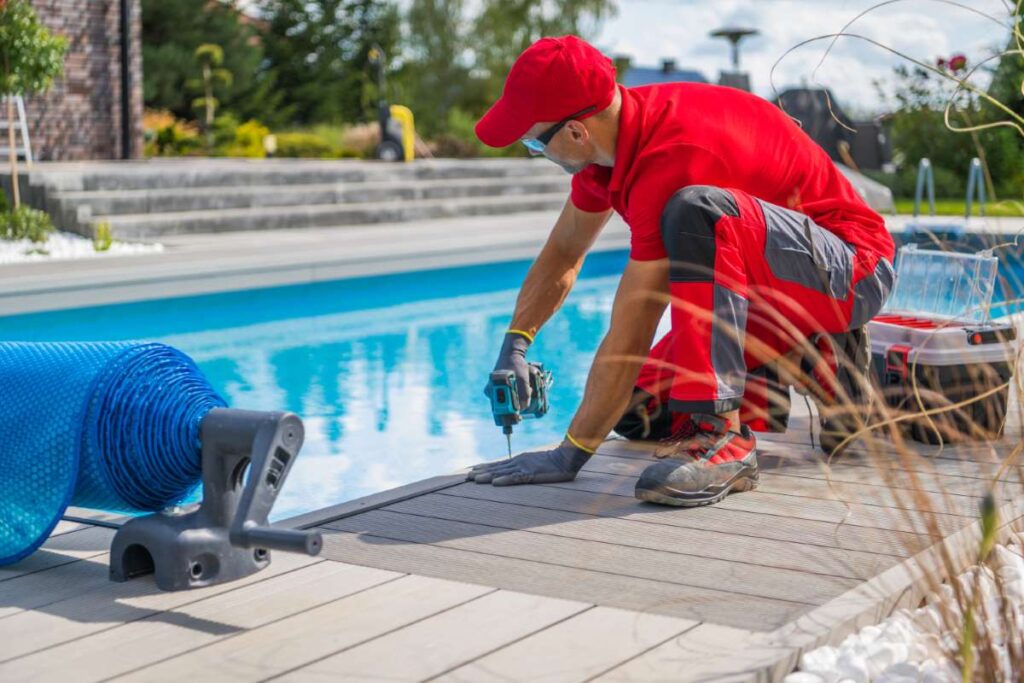
Discover how to balance pool water chemistry effectively to reduce operational stress and maintain a safe, inviting swimming environment for your customers.
Pool Water Chemistry: How to Reduce Operational Stress
Maintaining the perfect balance of pool water chemistry is crucial for any pool service provider. Not only does proper water chemistry ensure a safe and enjoyable swimming experience for customers, but it also helps in reducing operational stress for pool service professionals. This blog post will delve into the intricacies of pool water chemistry, discussing key elements such as pH, chlorine levels, alkalinity, and calcium hardness. We will provide actionable insights and best practices that can help you streamline your operations and maintain crystal clear water. Whether you are a seasoned pool service owner or considering investing in a pool route, understanding these fundamentals is essential for success in the pool maintenance industry.
Understanding the Basics of Pool Water Chemistry
Pool water chemistry revolves around several key components that must be monitored and adjusted regularly. The primary factors include pH levels, sanitizer levels (usually chlorine), total alkalinity, and calcium hardness. Each of these components plays a vital role in ensuring the overall health of the pool water. If any one of these elements is out of balance, it can lead to a myriad of issues ranging from cloudy water to algae growth.
For instance, the pH level measures how acidic or alkaline the water is, with a proper range being between 7.2 and 7.8. If the pH is too low, the water becomes acidic, leading to skin and eye irritation, as well as corrosion of pool equipment. Conversely, high pH levels can reduce the effectiveness of chlorine, leading to a less hygienic swimming environment.
Chlorine, the most commonly used sanitizer, needs to be maintained between 1-3 parts per million (PPM) to effectively kill bacteria and other harmful microorganisms. Regular testing of these water chemistry levels is essential for maintaining a safe pool environment.
Regular Testing: An Essential Practice
One of the most effective ways to maintain pool water chemistry is through regular testing. Investing in quality testing kits can save time and reduce operational stress in the long run. Testing kits typically measure pH, chlorine, alkalinity, and hardiness levels. Ideally, testing should be done at least once a week, and more frequently during peak swimming seasons.
For pool service professionals, having a systematic approach to testing is imperative. Consider developing a testing schedule that integrates seamlessly into your service routes. This way, you can ensure that you are consistently delivering the best possible water quality for your clients.
In addition to regular testing, maintaining a log of chemical readings can be immensely helpful. This log will allow you to track trends over time and make informed decisions about necessary adjustments. It also enhances transparency with clients, showing them your commitment to maintaining their pool.
Balancing pH and Alkalinity
Balancing the pH and alkalinity of pool water is one of the most significant aspects of achieving optimal chemistry. Total alkalinity acts as a buffer for pH levels, preventing drastic fluctuations. The ideal total alkalinity range for pools is typically between 80-120 PPM.
If the alkalinity is too low, the pH level can swing easily, leading to potential issues. Conversely, high alkalinity can make it challenging to adjust pH levels effectively. To raise alkalinity, sodium bicarbonate is commonly used, while muriatic acid or sodium bisulfate can lower it.
It’s essential to address both pH and alkalinity issues simultaneously. If you find yourself constantly adjusting one without the other, it might be time to assess your water source or filtration systems. Understanding the interaction between these two components will significantly reduce operational stress and improve overall pool maintenance efficiency.
Sanitization: Chlorine Management
Maintaining proper chlorine levels is critical to pool sanitation. Chlorine not only keeps the water clean but also protects swimmers from harmful pathogens. The effectiveness of chlorine is impacted by factors such as pH, water temperature, and the presence of sunlight. Consequently, regular monitoring is vital.
In some cases, using stabilizers like cyanuric acid can help protect chlorine from degradation by UV rays, allowing it to remain effective longer. A general recommendation is to keep cyanuric acid levels between 30-50 PPM for outdoor pools. This can significantly help reduce the frequency of chlorine adjustments, thus easing operational stress.
It’s also beneficial to educate clients about the importance of maintaining proper chlorine levels. When they understand how each aspect of water chemistry contributes to their overall pool experience, they may be more inclined to invest in regular maintenance services.
Calcium Hardness: Preventing Damage
Calcium hardness refers to the amount of dissolved calcium in the water, which is crucial for pool equipment and surfaces. Proper calcium hardness levels should ideally fall between 200-400 PPM. If calcium levels are too low, corrosive water can damage the pool’s surfaces and equipment. Conversely, high levels can lead to scale buildup, which may require costly removal procedures.
Regularly testing for calcium hardness is essential, especially in areas with hard water. If your tests indicate low calcium levels, calcium chloride can be added to the pool to bring the levels up. Conversely, if calcium levels are too high, partially draining the pool and refilling it with fresh water may be necessary.
By ensuring that calcium hardness levels are monitored and maintained, you are safeguarding your clients’ investments and reducing the likelihood of costly repairs or replacements.
Effective Communication with Clients
Communication is key when it comes to managing pool water chemistry and reducing operational stress. Keeping your clients informed about their pool’s water quality not only builds trust but also solidifies your role as a reliable service provider.
Consider providing clients with a regular report outlining the status of their pool water chemistry. This report could include information on pH, chlorine levels, alkalinity, and any actions taken to address imbalances. This transparency not only reassures clients but can also promote additional services, such as winterization or pool cleaning.
Furthermore, offering educational resources can empower clients. Consider creating a simple guide on maintaining pool water chemistry or hosting a workshop where clients can learn about the importance of proper water balance. This not only enhances your reputation but also strengthens your business relationship with clients.
Utilizing Technology for Pool Management
In today’s digital age, leveraging technology can significantly improve the management of pool water chemistry. Various apps and automated systems are available that can monitor water chemistry levels and alert you when adjustments are needed.
Investing in smart pool technology not only streamlines your operations but also allows for better tracking of water chemistry trends over time. Many of these systems can integrate with your existing maintenance schedules and provide real-time data, reducing the potential for human error.
Moreover, using technology to manage water chemistry can free up valuable time, allowing you to focus on other operational aspects of your pool service business. This added efficiency can lead to greater profitability and reduced stress.
Best Practices for Pool Water Chemistry Management
To ensure the best possible outcomes in pool water management, consider the following best practices:
- Regularly test water chemistry and maintain detailed logs of results.
- Educate clients about the importance of water balance in a pool.
- Utilize technology to manage and monitor water chemistry efficiently.
- Develop a systematic approach to adjusting chemical levels based on testing results.
- Keep an eye on seasonal changes that may affect water chemistry, such as increased swimmer load or weather conditions.
Implementing these best practices can help you mitigate operational stress and enhance the quality of your pool service.
Conclusion
Understanding and managing pool water chemistry is essential for reducing operational stress and ensuring a safe, inviting swimming environment. By regularly testing water, educating clients, and leveraging technology, pool service professionals can streamline their operations and improve overall water quality.
In the competitive pool maintenance industry, maintaining optimal water chemistry not only assures client satisfaction but also protects your investment in equipment and resources. For those interested in expanding their service capabilities or entering the industry, consider exploring available options for purchasing established pool routes that come with loyal customer bases. To learn more about available opportunities, visit [Pool Routes for Sale](https://pool-routes-for-sale.com/).
Take charge of your pool service business by mastering water chemistry today and watch your operational stress decrease while client satisfaction soars.