How to Prevent Green Water During Long Rainy Stretches
Learn effective strategies to prevent green water in your pool during prolonged rainy weather, ensuring crystal-clear water and a healthy swimming environment.
Introduction
Maintaining a clean and clear swimming pool can be a challenging task, especially during long rainy stretches. The accumulation of rainwater can lead to a host of problems, including the dreaded green water. This phenomenon is caused by an influx of algae, which thrives in warm, nutrient-rich environments. Understanding how to prevent green water during rainy periods is crucial for every pool owner.
In this article, we will explore practical steps to maintain your pool’s chemical balance, the importance of regular maintenance, and how to prepare your pool before the rain arrives. By following these guidelines, you can ensure your pool remains a refreshing retreat even during the wettest months of the year.
Proper Pool Chemistry
One of the key factors in preventing green water is maintaining the proper chemical balance in your pool. Rainwater can dilute the levels of chlorine and other sanitizers in your pool, allowing algae to thrive.
- Regularly testing your pool water is essential. Use a reliable pool test kit to check levels of chlorine, pH, alkalinity, and stabilizer. The ideal pH level should be between 7.4 and 7.6, while chlorine levels should remain between 1.0 and 3.0 parts per million (ppm).
- If you foresee heavy rain, consider shocking your pool in advance. This involves adding a higher dose of chlorine to eliminate potential algae spores before they take hold.
- You can also add algaecide as a preventive measure. This product inhibits algae growth, providing an extra layer of protection during the rainy season.
Regular Maintenance
Consistent maintenance is crucial to keep your pool water clear. Rain can introduce debris, leaves, and other organic materials into your pool, all of which can contribute to algae growth.
- Skim your pool regularly to remove floating debris. Using a skimmer net, clear the surface of leaves, twigs, and other organic materials that can decay and lead to algae blooms.
- Brush the walls and floor of your pool at least once a week. This action helps remove algae spores that may be clinging to surfaces and makes it harder for them to settle and grow.
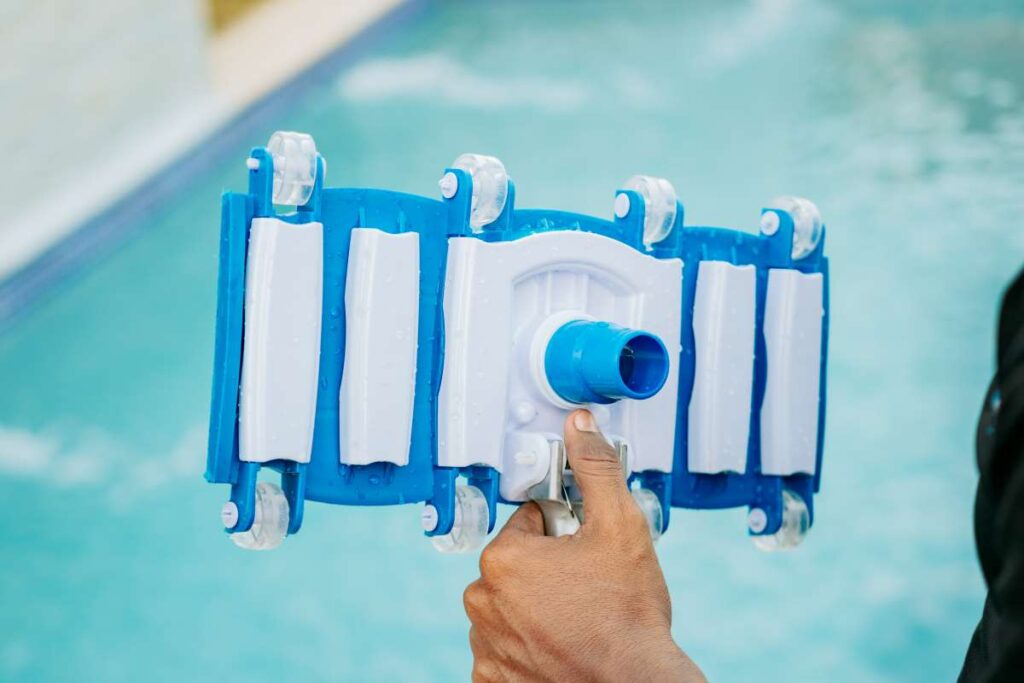
- Vacuum your pool to eliminate dirt and debris that may sink to the bottom. A clean pool is less prone to algae growth, as stagnant debris can encourage algae blooms.
Cover Your Pool
If you anticipate extended rainy periods, consider covering your pool. A high-quality pool cover can prevent rainwater from entering your pool and minimize debris accumulation.
- Invest in a solid pool cover that fits securely over your pool. This will keep out rainwater and debris, reducing the chances of green water developing.
- If you already have a cover, ensure it is in good condition before the rainy season. Repair any tears or defects to maintain its effectiveness.
- Remember to remove the cover once the rain has passed and before reopening the pool for use. This will help ensure that your water quality remains optimal.
Drain Excess Water
Heavy rains can lead to overflow in your pool, diluting the chemicals and creating an environment conducive to algae growth.
- Regularly check the water level in your pool, especially after significant rainfall. If the level is higher than the skimmer, consider draining some excess water.
- Use a submersible pump to remove water if necessary. Ensure that you do this safely and in accordance with local regulations to avoid water runoff issues.
- After draining, retest your pool water to adjust the chemical levels as needed. This step will help restore the balance of your pool water.
Invest in Quality Filtration
A good filtration system is essential in maintaining clear pool water, especially during the rainy season.
- Regularly clean your pool filter to ensure it is functioning correctly. A clogged filter can impede water circulation, leading to stagnant areas where algae can thrive.
- Consider upgrading to a more efficient filtration system if your current setup struggles to keep up with your pool’s demands. A properly sized filter will improve water clarity and help prevent algae growth.
- Run your filtration system for longer durations during rainy periods. Increasing the operating time allows for better filtration and circulation of pool water, helping to eliminate any contaminants.
Use Pool Additives
In addition to maintaining chemical balance and regular maintenance, using pool additives can provide extra protection against algae growth.
- Consider using clarifiers, which can help to bind small particles together, making them easier to filter out. This action can improve water clarity and reduce the chances of algae development.
- Enzyme products are another option. They help break down organic contaminants and can reduce the load on your chlorine, making it more effective.
- Be sure to follow the manufacturer’s instructions for any additives you choose to use. Proper application will ensure the best results.
Educate Yourself on Algae Types
Understanding the different types of algae that can affect your pool can help you take proactive measures against them.
- Green algae are the most common and can typically be treated with standard chlorine levels. Regular maintenance and proper chemical balance can keep this type of algae at bay.
- Black algae are more stubborn and require a more aggressive approach, including scrubbing and higher chlorine levels to eliminate them.
- Yellow algae, or mustard algae, can be treated with specialized algaecides. Knowing which type of algae you are dealing with will help you take targeted action to prevent and manage their growth.
Conclusion
Preventing green water during long rainy stretches is entirely possible with the right strategies in place. By focusing on maintaining proper pool chemistry, engaging in regular maintenance, and preparing your pool for rain, you can ensure your swimming space remains clear and inviting.
Remember that investing in high-quality filtration and utilizing pool additives can enhance your defense against algae. As a pool owner, staying informed about algae types and their specific treatments will empower you to keep your pool pristine.
If you’re looking to explore additional options for maintaining your pool or consider buying a pool route for your business, Pool Routes for Sale can provide valuable insights into the pool service industry.