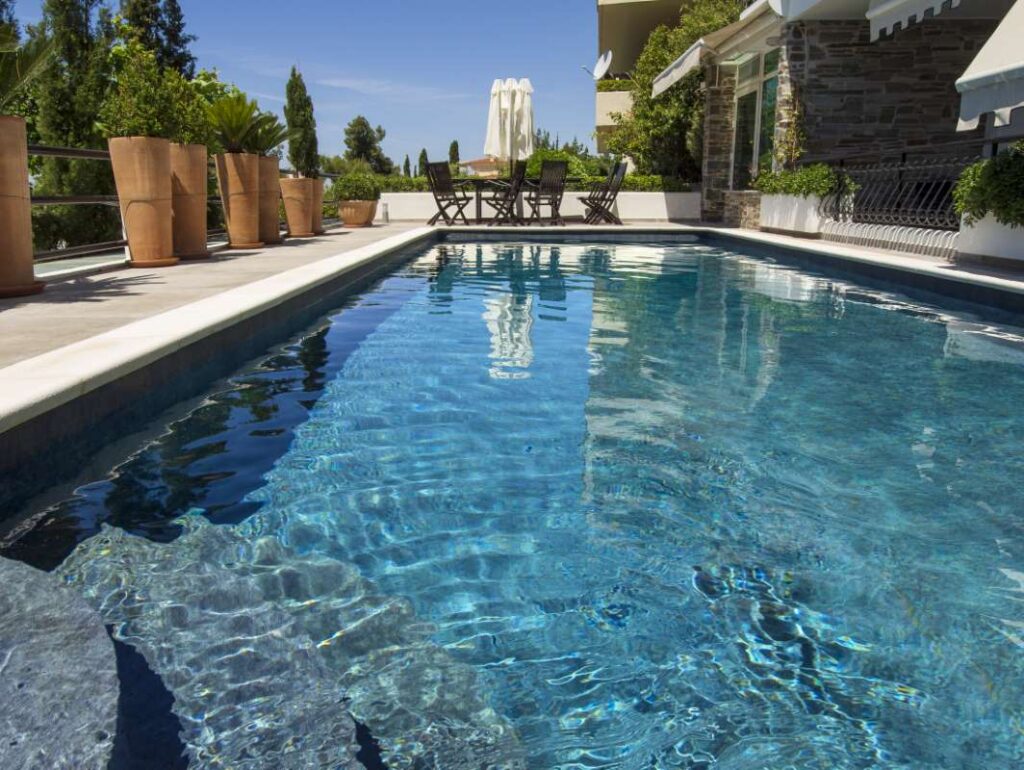
Preventing etching in plaster pools is crucial for maintaining their aesthetic appeal and structural integrity. In this blog post, we will explore effective strategies to keep your plaster pool surfaces pristine. Learn how to avoid the common pitfalls that lead to etching and discover best practices to prolong the life of your pool’s finish.
How to Prevent Etching in Plaster Pools
Etching is a common issue faced by plaster pool owners, and it can significantly degrade the quality of your swimming experience. When the plaster surface of your pool is etched, it not only affects the appearance but can also lead to more serious structural issues over time. This blog post will provide you with essential insights into the causes of etching, how to prevent it, and the maintenance practices that will keep your plaster pool looking new for many years to come.
Understanding what etching is and why it occurs is the first step in prevention. Etching refers to the wear and tear on the plaster surface, which can be caused by several factors, including water chemistry, improper cleaning techniques, and environmental influences. Taking proactive measures can help you maintain the integrity of your pool while also ensuring that it remains a beautiful centerpiece in your backyard.
Understanding the Causes of Etching
Etching can occur due to a variety of factors, primarily centered around water chemistry. When the pH levels of your pool water are imbalanced, it can lead to the leaching of calcium from the plaster surface, which results in etching. Ideally, the pH should be maintained between 7.2 and 7.6 to prevent such issues. Regular testing of your pool water and adjusting the chemical balance is vital for preserving the plaster finish.
Moreover, low total alkalinity levels can also contribute to etching. Alkalinity acts as a buffer for pH, helping to stabilize it. If alkalinity is too low, fluctuations in pH levels become more pronounced, leading to greater wear on the plaster. In addition to chemical imbalances, aggressive cleaning methods can also cause significant damage. Using tools that are too abrasive or chemicals that are not meant for plaster surfaces can lead to scratches and etching.
Environmental factors such as rainfall, debris, and UV exposure can also play a role in the etching process. Rainwater, which is often acidic, can harm your pool’s surface if allowed to linger. Regular maintenance, including skimming, brushing, and ensuring proper water levels, can help mitigate these environmental impacts.
Proper Water Chemistry Maintenance
Maintaining proper water chemistry is one of the most effective ways to prevent etching in plaster pools. Regularly testing your water is essential; invest in a high-quality testing kit to measure pH, alkalinity, and calcium hardness. Ensuring that the calcium hardness is within the recommended range (usually between 200-400 ppm) helps maintain the plaster surface’s integrity.
If calcium levels drop too low, it can lead to plaster etching because the surface starts leaching calcium into the water. On the other hand, if the calcium levels are too high, it may lead to scaling, which is another issue entirely but often requires different maintenance strategies. Striking a balance through regular monitoring and adjustments is key to maintaining a healthy pool environment.
Another vital aspect of water chemistry is the use of stabilizers. Cyanuric acid, for example, helps protect chlorine from being broken down by sunlight, thus allowing it to work effectively to keep the pool clean. This not only enhances the effectiveness of your sanitization but also contributes to the overall stability of your water chemistry, indirectly aiding in the prevention of etching.
Routine Cleaning and Maintenance Practices
Regular cleaning is essential for preventing etching in plaster pools. This includes skimming leaves and debris, vacuuming the pool floor, and brushing the walls and floor with a brush designed specifically for plaster surfaces. When selecting a brush, look for one with soft bristles; hard bristles can cause scratches that lead to etching.
Additionally, avoid using harsh or acidic cleaning chemicals that can further wear down the plaster. Instead, opt for pH-neutral cleaners that are safe for plaster surfaces. Regularly scheduled professional cleanings can also be beneficial; professionals have the knowledge and tools needed to maintain your pool without causing damage.
Using a pool cover when the pool is not in use can significantly reduce the amount of debris that enters the pool, minimizing the cleaning effort required and lowering the risk of chemical imbalances due to organic matter decomposition. This simple step can offer substantial long-term benefits.
Protective Measures Against Environmental Factors
Environmental factors can lead to plaster etching, so it’s crucial to take steps to protect your pool from these elements. For example, during heavy rainfall, consider using a pool cover to prevent rainwater from lowering the pH and alkalinity levels. This is especially important in areas where acid rain is prevalent.
Additionally, encourage regular brushing of the pool walls and floor to prevent algae growth, which can also contribute to surface deterioration. Algae can create rough surfaces, which will only worsen etching as they hold debris and dirt. This will lead to an accelerated wear process on your plaster.
Using landscaping strategically around your pool can also provide a barrier against debris. Planting shrubs or installing a fence can minimize the amount of organic matter that makes its way into your pool, helping to keep your water cleaner and your plaster intact.
Investing in Quality Pool Equipment
Your choice of pool equipment can also impact the longevity of your plaster surface. High-quality pool cleaners, filters, and pumps are designed to operate efficiently without damaging surfaces. Cheaper equipment may not provide adequate performance, leading to more wear on your plaster surface.
Invest in a reputable pool circulation system to ensure water is filtered and sanitized properly. A good circulation system helps to keep the water chemistry balanced, thus reducing the chances of etching. Additionally, consider using variable speed pumps, which can save on energy costs while providing effective circulation.
Automated pool cleaners can be a smart investment as well; they ease the burden of manual cleaning and can adapt to various surfaces without causing additional wear. When selecting equipment, always consult with professionals to ensure compatibility with your plaster pool.
Regular Professional Inspections
Regular inspections by pool professionals can significantly aid in preventing etching. A trained eye can catch early signs of wear or issues with water chemistry that may lead to etching, allowing for timely intervention. Professionals are also equipped to perform deep cleanings that may not be possible through regular maintenance.
Scheduling these inspections at least once or twice a year will help ensure that your pool is in optimal condition. During these visits, a professional can also assess the equipment, ensuring that everything is functioning correctly and efficiently. Addressing minor issues before they escalate is key to maintaining the integrity of your pool.
Additionally, professionals can provide tailored advice based on your specific circumstances, such as local water conditions, climate, and usage patterns. This kind of personalized guidance can be invaluable in the long-term maintenance of your plaster pool.
Best Practices for Long-Term Plaster Pool Care
Implementing best practices for long-term care of your plaster pool is essential. Always follow a consistent schedule for water testing and chemical balancing. Educate yourself on the specific needs of your pool based on its age, depth, and usage frequency.
Maintain detailed records of your chemical readings and any maintenance performed. This documentation can help identify patterns over time and prepare you for potential issues. If you notice fluctuations in readings, address them immediately rather than waiting for a bigger problem to develop.
Encourage family members to participate in the maintenance routines. This not only fosters a sense of ownership but can also ensure that the upkeep of the pool remains a priority. Remember that a well-maintained pool is not just aesthetically pleasing but also contributes to the safety and enjoyment of everyone who uses it.
Conclusion
Preventing etching in plaster pools is a multifaceted approach that includes maintaining proper water chemistry, implementing thorough cleaning routines, and protecting your pool from environmental factors. By investing in quality equipment and scheduling regular professional inspections, you can significantly extend the life of your plaster pool.
Ultimately, the care you provide today will determine the longevity and beauty of your investment. If you’re looking for further guidance or are interested in exploring pool routes for sale, visit our website at Pool Routes for Sale and take the next step toward pool ownership. Don’t hesitate to contact us for personalized support on your journey to maintaining a stunning, long-lasting plaster pool.