As monsoon season approaches in the Southwest, pool owners must prepare their pools for heavy rains and potential debris. This guide provides essential tips on how to effectively ready your pool for the upcoming weather changes.
How to Prepare Pools for Monsoon Season in the Southwest
The Southwest region of the United States, known for its arid climate, experiences a dramatic shift when monsoon season arrives. Typically spanning from June to September, this period brings intense rainfall, high winds, and increased humidity. For pool owners in Arizona, Nevada, and New Mexico, it’s crucial to prepare pools adequately to minimize damage and maintain water quality. In this article, we will discuss the importance of preparing pools for monsoon season and outline practical steps you can take to protect your investment and ensure a safe swimming environment.
Understanding the potential risks associated with monsoon season is vital. Heavy rains can lead to flooding, which can introduce debris, dirt, and contaminants into your pool. Additionally, high winds can cause damage to pool equipment, while changes in water chemistry can result from rainwater mixing with pool water. By taking proactive measures, you can safeguard your pool and keep it in excellent condition throughout the season.
Assessing Your Pool Equipment
The first step in preparing your pool for the monsoon season is to conduct a thorough assessment of all pool equipment. This includes checking the pool pump, filter, heater, and any automated systems. Make sure that your pool pump is functioning correctly, as it will be essential to circulate water and remove debris during and after storms.
Inspect the pool filter for any signs of wear or damage. A clogged or ineffective filter can lead to water quality issues, particularly when storm debris enters the pool. Ensure that your skimmer and drain baskets are clean and free of obstructions. If necessary, replace any worn parts to ensure optimal performance.
For those in areas prone to flooding, it may be wise to elevate equipment such as pumps and heaters to prevent water damage. Additionally, consider investing in a pool cover that can help protect the pool from debris accumulation during heavy rains. Not only does this minimize cleaning time, but it also preserves water quality by reducing the need for chemical treatments.
Water Chemistry Adjustments
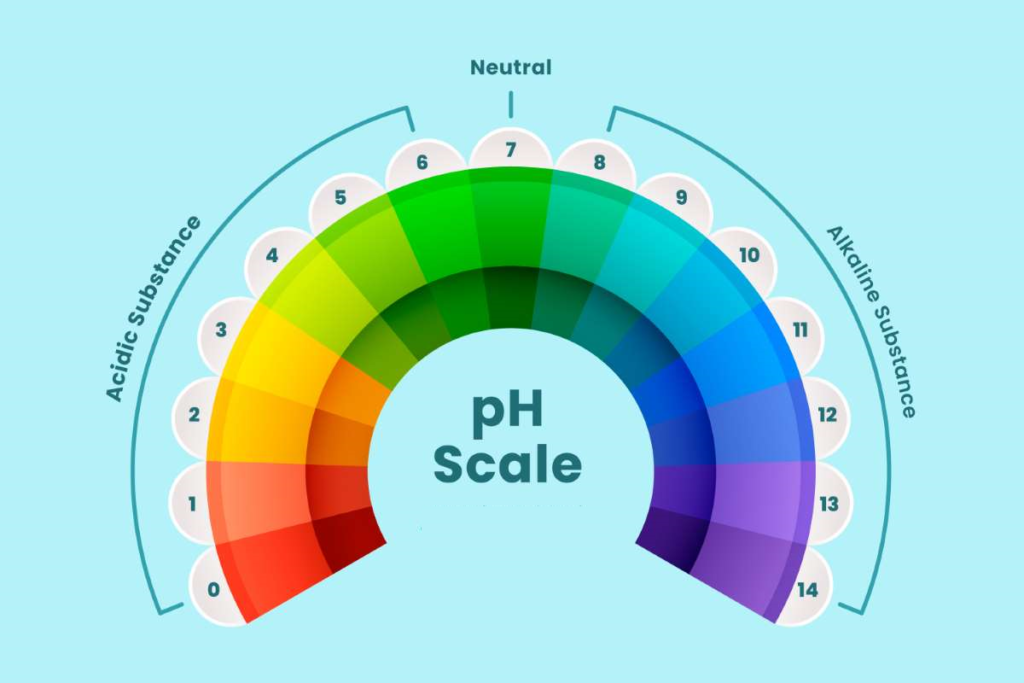
Heavy rains can significantly alter the chemical balance of your pool water. Rainwater is often acidic, which can lower the pH of your pool water and affect the overall chemistry. Before the monsoon season begins, it’s essential to test your pool water and adjust the chemical levels accordingly.
Be sure to check the pH, alkalinity, and chlorine levels before the rains begin. Ideally, the pH should be between 7.2 and 7.8, and alkalinity should be within 80 to 120 ppm. Regularly testing your water during the monsoon season will help you maintain optimal water chemistry and ensure a safe swimming environment.
Once the rains have passed, it’s crucial to retest your water to assess the impact of the storm. You may need to add additional chemicals to restore balance. Consider keeping a pool maintenance kit on hand that includes chlorine, pH increaser and decreaser, and algaecide to address any post-monsoon water quality issues quickly.
Clearing the Surrounding Area
Before the monsoon season begins, take time to clear the area surrounding your pool. Remove any loose debris, such as leaves, branches, and furniture, that could become projectiles during high winds. Secure any pool toys, floats, or accessories that may blow into the pool, potentially damaging the liner or equipment.
If you have overhanging trees, consider trimming branches that could fall into the pool during storms. Keeping the area tidy not only helps prevent debris from contaminating your pool but also decreases the chances of accidents that can occur due to flying objects during severe weather.
In addition to clearing the area, it may be beneficial to check the pool’s drainage systems to ensure they are functioning correctly. Proper drainage will help prevent flooding and ensure that any excess rainwater is directed away from the pool area.
Securing Pool Covers and Safety Features
If you use a pool cover, ensure it is securely fastened before the monsoon season begins. A properly secured cover can prevent debris from entering the pool and minimize the amount of cleaning required after the storms. If your pool cover is old or damaged, consider investing in a new one that can withstand the elements and effectively protect your pool.
Additionally, verify that all safety features, such as fences and gates, are in good condition. This is especially important if you have children or pets who may access the pool area during inclement weather. Ensuring that your pool is safely secured will give you peace of mind during the unpredictable monsoon season.
Post-Monsoon Pool Maintenance
After the monsoon season, it’s crucial to conduct thorough maintenance to restore your pool to its optimal condition. Start by removing any debris that has collected in the pool. Use a skimmer net to collect leaves and branches, and consider using a vacuum to clean the bottom of the pool if necessary.
Once the visible debris has been removed, retest the water and adjust the chemical levels as discussed earlier. It’s essential to monitor your pool closely for any signs of algae growth, which can occur after heavy rains due to changes in water chemistry.
Regular maintenance during and after the monsoon season will ensure that your pool remains a safe and enjoyable space for swimming. If you notice any persistent issues, such as cloudiness or unusual odors, consider contacting a pool service professional for assistance. They can provide insights and solutions tailored to your specific pool needs.
Weather Preparedness and Emergency Planning
Preparing for the monsoon season also involves planning for potential emergencies. Keep a supply of essential items on hand, including chlorine, pool shock, and cleaning tools. In case of severe storms or flooding, have a plan in place for securing your property and protecting your pool equipment.
Stay informed about weather forecasts and alerts. Utilize local news or weather apps to receive timely updates regarding impending storms. Having a proactive approach will allow you to react quickly and efficiently, minimizing damage to your pool and surrounding areas.
Additionally, consider creating a checklist of tasks to complete before and after storms, ensuring that you don’t overlook any critical preparations. By maintaining an organized approach to pool maintenance, you can safeguard your investment and enjoy a healthy pool throughout the monsoon season.
Consulting Professionals for Pool Maintenance
For those who are unsure about how to prepare their pools for the monsoon season, consider consulting with professionals in the pool maintenance industry. Services like Tower Business Brokers not only assist with pool route sales but also provide valuable insights into maintaining your pool effectively.
Professional pool services can help streamline your preparation process, from chemical balancing to equipment checks. Their expertise can save you time and ensure that your pool is ready to withstand the rigors of monsoon season. By seeking assistance, you can focus on enjoying your pool while leaving the maintenance to the experts.
Conclusion
Preparing your pool for the monsoon season in the Southwest is a crucial step in protecting your investment and ensuring a safe swimming environment. From assessing equipment and adjusting water chemistry to clearing the surrounding area and securing safety features, a proactive approach can significantly minimize potential damage.
By following the outlined steps and considering professional guidance, you can maintain a clean, safe, and welcoming pool throughout the unpredictable monsoon season. For more information on pool ownership and maintenance, or if you’re considering acquiring a pool route, explore the services offered by [Tower Business Brokers](https://pool-routes-for-sale.com/) today. Equip yourself with the knowledge and resources to thrive in the pool maintenance industry.