How to Interpret Complex Water Test Results Accurately
In the world of pool maintenance, understanding water test results is crucial for ensuring a safe, clean, and enjoyable swimming experience. Water testing may seem straightforward at first glance, but the intricacies of complex results can leave even seasoned professionals scratching their heads. This blog post aims to demystify the interpretation of water test results, providing insights into various parameters, their implications, and practical tips to maintain optimal water quality in pools.
Water quality is paramount in the pool service industry, affecting not only the health and safety of swimmers but also the longevity of pool equipment. As pool service entrepreneurs or existing owners consider expanding their operations through acquisitions, understanding the chemistry behind water testing becomes vital in delivering exceptional service and attracting a loyal customer base. Throughout this article, we will delve into the most important aspects of interpreting water test results, including common parameters, tools for analysis, and expert recommendations to enhance your pool maintenance skills.
Understanding the Basics of Water Chemistry
Before diving into the intricacies of interpreting specific test results, it’s essential to grasp the fundamental components of water chemistry. At a basic level, pool water should be balanced, which involves maintaining appropriate levels of pH, alkalinity, and chlorine (or other sanitizers). Each of these parameters plays a significant role in ensuring water safety and clarity.
The pH level indicates how acidic or alkaline the water is, with ideal values ranging from 7.2 to 7.8. Proper pH levels enhance sanitizer effectiveness and prevent skin irritation. Total alkalinity, on the other hand, acts as a buffer for pH, helping to stabilize it against fluctuations that can arise from factors such as rain or swimmer activity. Maintaining the total alkalinity between 80 and 120 parts per million (ppm) is critical for overall water balance. Finally, chlorine levels should remain between 1 and 3 ppm to effectively kill bacteria and keep pool water safe for swimming.
By understanding these fundamental components, pool service professionals can better interpret the more complex results that may arise from comprehensive water testing. With tools like test kits and digital analyzers, even nuanced chemical balances can be accurately monitored.
Key Parameters in Complex Water Test Results
When dealing with complex water test results, several parameters come into play beyond the basic indicators. Total dissolved solids (TDS), chlorine stabilizers, and calcium hardness are essential for a comprehensive understanding of water quality. TDS measures the concentration of all dissolved substances in the water, and levels above 1,500 ppm can lead to cloudy water and decreased sanitizer efficiency. Regularly monitoring TDS is vital, especially for pools that experience heavy usage or significant evaporation.
Chlorine stabilizers, primarily cyanuric acid, help protect chlorine from being broken down by ultraviolet (UV) rays from the sun. Ideal levels of cyanuric acid range from 30 to 50 ppm for outdoor pools. If levels are too low, chlorine can dissipate quickly, leading to potential sanitation failures. Lastly, calcium hardness affects water balance and can prevent corrosion or scale formation. Ideal calcium hardness levels are typically between 200 and 400 ppm, ensuring that your pool surfaces and equipment remain intact.
Incorporating these parameters into your water testing routine allows for a more thorough analysis, leading to informed decisions about treatment and balance adjustments necessary for optimal pool conditions.
Tools and Techniques for Accurate Water Testing
Having the right tools is essential for accurate water testing. Pool owners and service professionals can choose from various methods, including test strips, liquid test kits, and digital analyzers. Each method has its pros and cons, which can affect the accuracy and convenience of testing.
Test strips offer a quick and easy way to measure multiple parameters at once, but they can sometimes yield less precise results compared to liquid test kits. Liquid test kits, on the other hand, typically involve multiple steps and require a bit more time but provide highly accurate readings for pH, alkalinity, and chlorine levels.
For those seeking a more high-tech approach, digital analyzers are worth considering. Although they are a higher initial investment, these devices automatically measure and log water chemistry data, making it easier to track trends over time. Additionally, digital analyzers often provide more accurate readings, essential for pools that require strict monitoring of chemical balance.
Interpreting Specific Test Results
Once the water test results are in hand, the challenge of interpretation begins. Each parameter requires careful analysis to determine if any adjustments are necessary. For instance, if pH levels are found to be too high, pool owners may need to add a pH decreaser, such as muriatic acid or sodium bisulfate, to bring levels into the ideal range.
Conversely, if pH levels are too low, adding soda ash or baking soda can help raise them. It’s crucial to make adjustments gradually, retesting frequently to avoid overshooting the desired balance.
For total alkalinity, similar principles apply. If levels are low, adding sodium bicarbonate can help stabilize the pH and improve overall water quality. Conversely, if total alkalinity is too high, diluted muriatic acid can be employed to bring it down to the correct range. The key is to make adjustments in small increments to maintain control over chemical balance.
Best Practices for Maintaining Water Quality
To ensure water quality remains at optimal levels, pool owners and service professionals should follow specific best practices. Regular testing is crucial, with a recommended frequency of at least once a week during peak swimming seasons. This helps identify any emerging issues before they escalate, ensuring the pool remains safe and enjoyable for swimmers.
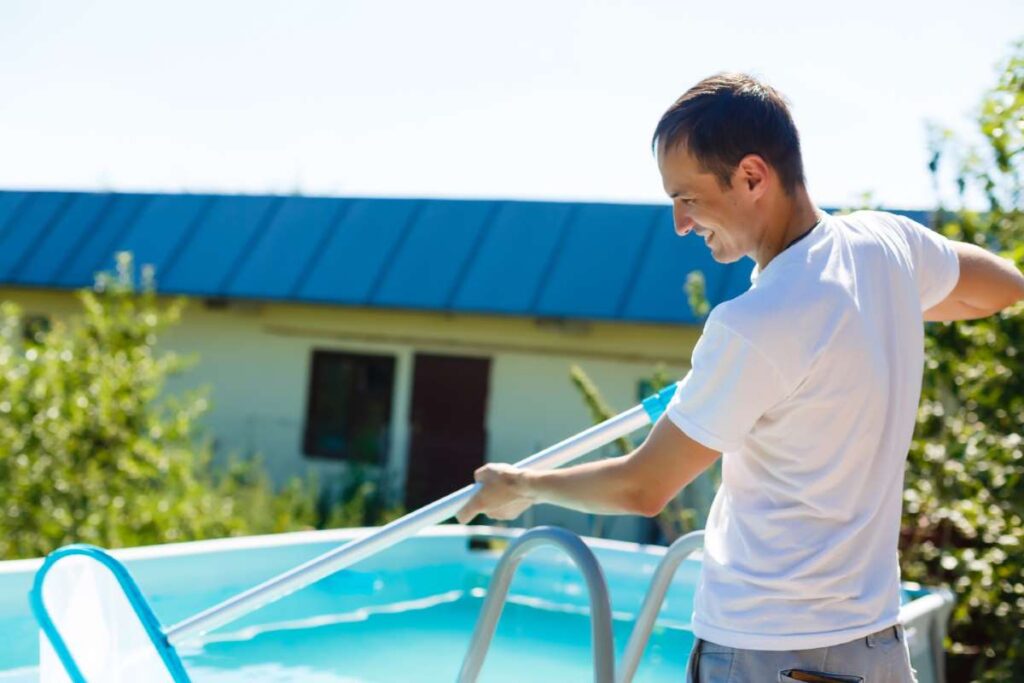
Another best practice involves maintaining a consistent cleaning schedule. Debris and contaminants can impact water chemistry, leading to imbalances. Regular skimming, vacuuming, and brushing can help keep the pool clean and reduce the risk of chemical fluctuation.
Investing in high-quality pool equipment is also essential. Effective circulation and filtration systems play a vital role in maintaining water clarity and chemical balance. Additionally, ensuring that water levels remain within the appropriate range helps prevent issues related to skimming and filtration.
Leveraging Expert Knowledge for Accurate Interpretation
For pool service entrepreneurs, tapping into expert knowledge can significantly enhance the ability to interpret complex water test results accurately. Engaging with industry professionals, attending workshops, and utilizing resources from reputable organizations can provide valuable insights into the latest best practices and technologies.
Furthermore, consulting with a pool business broker or seasoned professional can offer essential tips on how to acquire established routes with existing customer bases. This strategic approach not only ensures a steady stream of revenue but also provides an excellent platform for implementing best practices in water chemistry management.
As you consider investing in pool routes for sale, remember that understanding water chemistry is a fundamental skill that directly impacts customer satisfaction and business success. By combining expert knowledge with practical application, you can effectively manage your pool service operations and maintain high standards of water quality.
Conclusion
Interpreting complex water test results is a vital skill for anyone involved in the pool maintenance industry. By understanding the fundamentals of water chemistry, employing the right tools, and following best practices, pool service professionals can ensure optimal water quality for their clients.
As you navigate the challenges of pool ownership and maintenance, consider exploring [Pool Routes for Sale](https://pool-routes-for-sale.com/) to enhance your business potential effectively. With a solid grasp of water chemistry and a commitment to best practices, you can build a successful and sustainable pool service that prioritizes customer satisfaction and safety.
Don’t hesitate to reach out to industry experts or brokers to learn more about opportunities in the pool maintenance sector. Start your journey into pool route ownership today and take the first step toward a rewarding and profitable business!