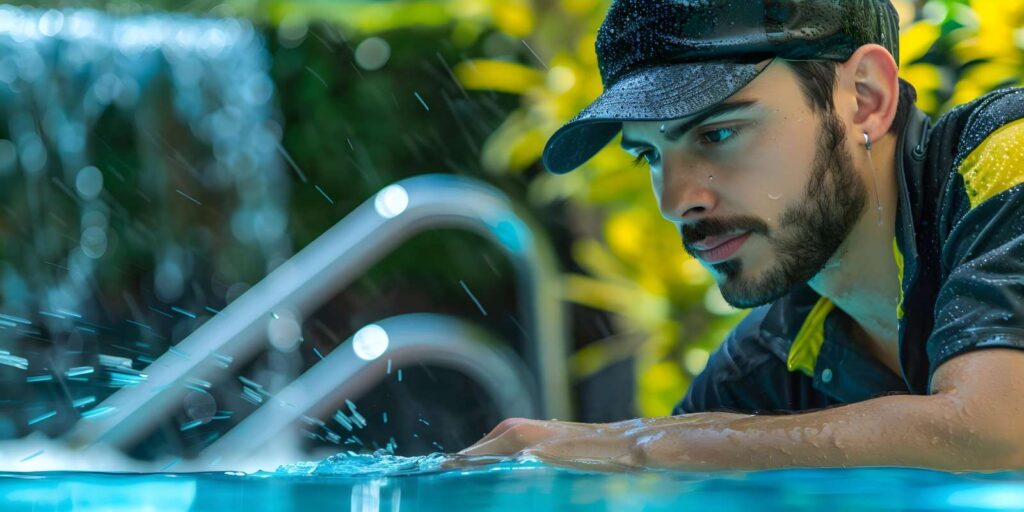
How to Identify Electrical Issues in Pool Equipment Safely
Identifying electrical issues in pool equipment is critical for maintaining a safe and functional swimming environment. This blog post delves into the importance of recognizing and addressing electrical problems in pool systems. Proper maintenance not only enhances the longevity of equipment but also ensures the safety of users. We will explore various methods to identify electrical issues, practical tips for safe inspection, common signs of trouble, and when to seek professional help.
The significance of electrical safety in pool maintenance cannot be overstated. Pool equipment, including pumps, heaters, and lighting, relies on electrical components that can pose serious risks if not properly maintained. From shocking experiences to equipment failure, the implications of ignoring electrical issues can be severe. This article will equip pool owners with the knowledge to recognize warning signs, perform basic checks, and understand when to call in professionals.
In our exploration, we will cover essential safety practices, how to use tools effectively, common electrical problems found in pool equipment, and the importance of professional inspections. By understanding these aspects, pool owners can take proactive steps to ensure a safe swimming experience.
Understanding Electrical Systems in Pool Equipment
The electrical systems powering pool equipment are complex but essential for the overall functionality of the pool. Equipment such as pumps, filters, heaters, and lighting systems often operate in environments where moisture is present, which can lead to unique challenges. Understanding how these systems work is the first step toward identifying potential electrical issues.
For instance, pool pumps are usually protected by circuit breakers, but over time, wear and tear can lead to shorts or circuit failures. Regular inspection of these systems can prevent serious problems down the line. Additionally, familiarize yourself with the specific electrical requirements outlined in your equipment’s manual, as this knowledge is invaluable when troubleshooting issues.
Statistics show that a significant number of electrical incidents in pool equipment arise from improper installation or lack of maintenance. According to the National Fire Protection Association, faulty electrical installations are one of the leading causes of electrical fires, reinforcing the need for regular checks and maintenance.
Common Signs of Electrical Issues
Recognizing the early signs of electrical issues can save you time and money. One of the most noticeable indicators is a sudden increase in your electricity bill, which could suggest that your pool equipment is working harder than it should due to a malfunction. Other signs include flickering lights, unusual noises from equipment, or tripped circuit breakers.
Another common symptom is the presence of rust or corrosion around electrical connections. Moisture can lead to significant damage, resulting in shorts and equipment failure. If you notice any of these issues, it’s essential to address them quickly to avoid further complications. Regular visual inspections of your pool equipment can help in catching these problems early.
It is also wise to be vigilant about any smell of burning or unusual odors around your pool equipment. This can indicate problems with electrical wiring or components overheating, which can pose serious safety hazards. It is advisable to turn off the equipment immediately if you detect such smells and consult a professional.
Conducting Safe Inspections
Before diving into any DIY inspection, safety should be your top priority. Always ensure that your pool equipment is turned off and unplugged before performing any checks. Use insulated tools to minimize the risk of electric shock and wear appropriate safety gear, such as rubber gloves and shoes.
Begin by checking the visible wiring and connections for any signs of wear or damage. Look for frayed wires, loose connections, or signs of water intrusion, which are common indicators of electrical issues. If you find any problems, it’s crucial to replace or repair them promptly to avoid further complications.
For more advanced checks, using a multimeter can help you measure voltage and resistance in your electrical systems. This tool can provide insights into whether your equipment is functioning within safe operating parameters. However, if you are not comfortable with using a multimeter or diagnosing electrical issues, it’s best to consult with a professional electrician specialized in pool equipment.
When to Call a Professional
While some electrical checks can be handled by vigilant pool owners, there are circumstances that warrant the expertise of a professional. If you encounter complex issues, such as frequent equipment failures or persistent electrical surges, it is advisable to seek professional help. Experienced technicians can conduct a thorough examination and pinpoint the root cause of the issues.
Additionally, if you are considering upgrades or new installations, consulting a professional ensures that everything is up to code and safely installed. The expertise of an electrician can help avoid future problems, ensuring your pool operates efficiently.
Moreover, if you have any doubts or lack the necessary tools and knowledge, don’t hesitate to reach out for help. It’s always better to be safe than sorry when dealing with electricity, especially around water.
Best Practices for Electrical Safety Around Pools
Implementing good practices can significantly enhance safety around pool equipment. Install ground fault circuit interrupters (GFCIs) for all electrical outlets within proximity to the pool area. These devices are designed to protect against electrical shock by shutting off power when they detect an imbalance in electrical current.
Moreover, ensure that all electrical installations comply with local codes and regulations. This includes having proper signage warning users of potential electrical hazards. Regularly scheduled inspections by qualified professionals can catch issues before they escalate, providing peace of mind for pool owners.
Educating family members about pool equipment and electrical safety is also crucial. They should understand the importance of not tampering with electrical components and knowing who to call in emergencies. Overall, a little knowledge goes a long way in promoting safety around your pool.
Summary of Key Points
In summary, identifying electrical issues in pool equipment is a vital part of pool maintenance that requires diligence and knowledge. Regular inspections, awareness of common signs of trouble, and understanding when to consult professionals can all contribute to a safer swimming experience. The pool environment presents unique challenges, but with proper practices, pool owners can navigate these safely.
By implementing the tips discussed in this blog, you can ensure your pool operates efficiently and safely. Should you need assistance or are interested in acquiring a pool route for sale as part of your pool service business, consider reaching out to experts such as those at Tower Business Brokers. They provide valuable insights and support in navigating the pool maintenance industry.
Take charge of your pool’s safety today by applying these best practices and remaining vigilant about electrical issues. For more information on acquiring a profitable pool route, visit Pool Routes for Sale and explore the opportunities available in your area.
Conclusion
In conclusion, understanding how to identify electrical issues in pool equipment safely is essential for every pool owner. This knowledge not only enhances the longevity of your equipment but also ensures the safety of everyone who enjoys your pool. Remember to stay informed, conduct regular inspections, and seek professional help when necessary to keep your pool in top condition.
As the pool maintenance industry continues to grow, consider the benefits of owning a pool route for immediate income and an established customer base. For more insights and options, connect with Tower Business Brokers today and start your journey in the thriving pool service sector. Your pool’s safety and functionality depend on it!