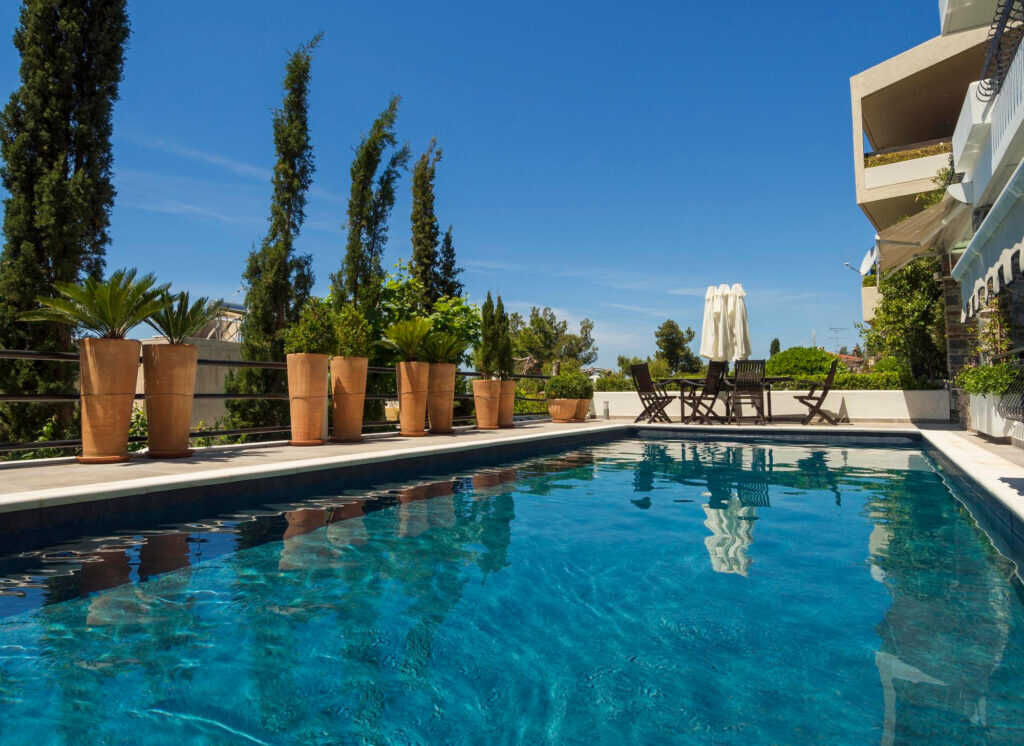
How to Help Homeowners Budget for Pool Upgrades
Understanding how to budget for pool upgrades can be complex, yet it’s crucial for homeowners looking to enhance their outdoor living spaces. Upgrading a pool not only increases the aesthetic appeal of a property but also adds value to it. In this article, we will delve into effective budgeting strategies, discuss various upgrade options, and provide practical tips to help homeowners manage their finances effectively throughout the process.
When homeowners consider upgrading their pools, they often find themselves overwhelmed by the potential costs involved. This is especially true given the variety of options available, ranging from simple repairs to full renovations. Budgeting effectively allows homeowners to prioritize their needs, make informed decisions, and avoid unexpected financial strain. We will cover essential strategies that can make this process easier and more manageable.
Understanding the Costs of Pool Upgrades
Before making any plans, it’s vital for homeowners to have a clear understanding of the costs involved in pool upgrades. Generally, costs can vary significantly depending on the type of upgrade and the materials used. For instance, resurfacing a pool may range from $3,000 to $7,000, while adding features like waterfalls or LED lighting can cost between $1,000 and $5,000.
Moreover, homeowners should also consider ongoing costs such as maintenance, utilities, and potential increases in insurance premiums. A comprehensive understanding of these costs will help homeowners create a more accurate budget. It’s advisable to conduct research or consult with pool professionals to gain insight into what upgrades may fit within their financial constraints.
Setting a Realistic Budget
Once homeowners understand the possible costs, the next step is to set a realistic budget. This budget should encompass not only the upgrades themselves but also a contingency fund to cover unforeseen expenses that may arise during the renovation process.
A common guideline is to allocate an additional 10-20% of the total estimated costs for unexpected issues, such as structural repairs or additional permits. Homeowners can create a detailed spreadsheet listing all estimated costs and include a separate section for contingencies, ensuring a comprehensive financial plan is in place.
Exploring Financing Options
Not all homeowners have the funds readily available to cover pool upgrades upfront. Fortunately, there are various financing options that can help ease the financial burden. Home equity loans, personal loans, and specialized home improvement financing are all viable options to consider. Each has its terms, interest rates, and repayment plans.
Homeowners should compare these options carefully, considering factors such as interest rates and repayment timelines. Additionally, some contractors may offer financing plans directly, which could provide homeowners with flexibility. It’s essential to read the fine print and ensure that any financing agreement aligns with their long-term financial goals.
Prioritizing Upgrades Based on Needs and Budget
With a budget established, it’s time for homeowners to prioritize upgrades. Not all upgrades are created equal; some may provide more value than others. For example, energy-efficient pool heaters or automatic pool cleaners can save money on utilities and maintenance costs, making them worthwhile investments.
Homeowners should consider which upgrades they will use the most and which will provide the greatest return on investment. A well-planned upgrade strategy will not only enhance the pool’s appearance but also improve its functionality and efficiency.
Utilizing Professional Insight
Engaging with professionals in the pool industry can offer invaluable insights that can guide homeowners in their budgeting and upgrade decisions. Pool service brokers, for instance, can provide information on market trends, potential cost savings, and the best practices for maximizing the value of upgrades.
Additionally, obtaining multiple quotes from different contractors can help homeowners compare costs and services, ensuring they receive the best value for their investment. Professional guidance can also highlight any potential issues that may have been overlooked in the initial planning stages.
Exploring Local Trends and Regulations
Homeowners should be aware of local trends and regulations that could affect both the cost and feasibility of pool upgrades. Different regions may have varying standards for pool renovations, especially concerning safety and environmental regulations. Understanding these can prevent costly mistakes and delays in the upgrading process.
Furthermore, local market trends can impact the resale value of upgraded pools. Some areas may prioritize energy-efficient upgrades due to higher utility costs, while others may focus on aesthetics. Researching local preferences can help homeowners make informed decisions that align with potential buyer interests if they ever consider selling.
Maintaining Flexibility Throughout the Process
As homeowners embark on their pool upgrade journey, it’s essential to remain flexible. Unexpected challenges may arise, and certain upgrades may take longer or cost more than initially anticipated. By maintaining an adaptable mindset, homeowners can navigate these challenges more effectively and make necessary adjustments to their plans.
Flexibility also allows homeowners to explore alternative materials or methods that may be more cost-effective. For example, choosing natural stone instead of imported tile may provide a beautiful aesthetic while saving costs. Being open to alternatives can lead to creative solutions that align with both design goals and budget constraints.
Ensuring Proper Maintenance Post-Upgrade
Once the upgrades are complete, ongoing maintenance becomes a critical element in preserving the pool’s value. Homeowners should allocate a portion of their budget for regular maintenance to ensure that upgrades remain in excellent condition over the years. This includes routine cleaning, chemical balancing, and professional inspections.
Establishing a maintenance schedule and sticking to it not only enhances the longevity of the upgrades but also ensures that the pool remains a safe and enjoyable environment for family and friends. Regular upkeep can prevent more significant issues down the line, saving homeowners from costly repairs.
Maximizing the Return on Investment
Ultimately, the goal of budgeting for pool upgrades is to maximize return on investment. Homeowners should consider how upgraded features enhance both their lifestyle and property value. Features such as upgraded lighting, energy-efficient heaters, and automated systems can appeal to potential buyers in the future.
When planning upgrades, it’s helpful for homeowners to think about how these features will not only serve their immediate needs but also enhance the resale value of their property. Consulting with real estate agents or pool service brokers can help align upgrade choices with market demands, ensuring the best possible outcomes.
Conclusion
In conclusion, helping homeowners budget for pool upgrades involves understanding costs, setting realistic budgets, exploring financing options, and prioritizing upgrades. By utilizing professional insights and being adaptable throughout the process, homeowners can effectively manage their finances while enhancing their outdoor spaces.
With the right strategies in place, pool upgrades can provide significant enjoyment and increased property value. Homeowners should feel empowered to embark on their upgrading journey confidently, knowing they have the tools and knowledge necessary for success.
For those considering entering the pool maintenance industry themselves, exploring opportunities like [Pool Routes for Sale](https://pool-routes-for-sale.com/) can provide immediate income and access to established customer bases. Embrace the journey of pool ownership with the right resources and support.