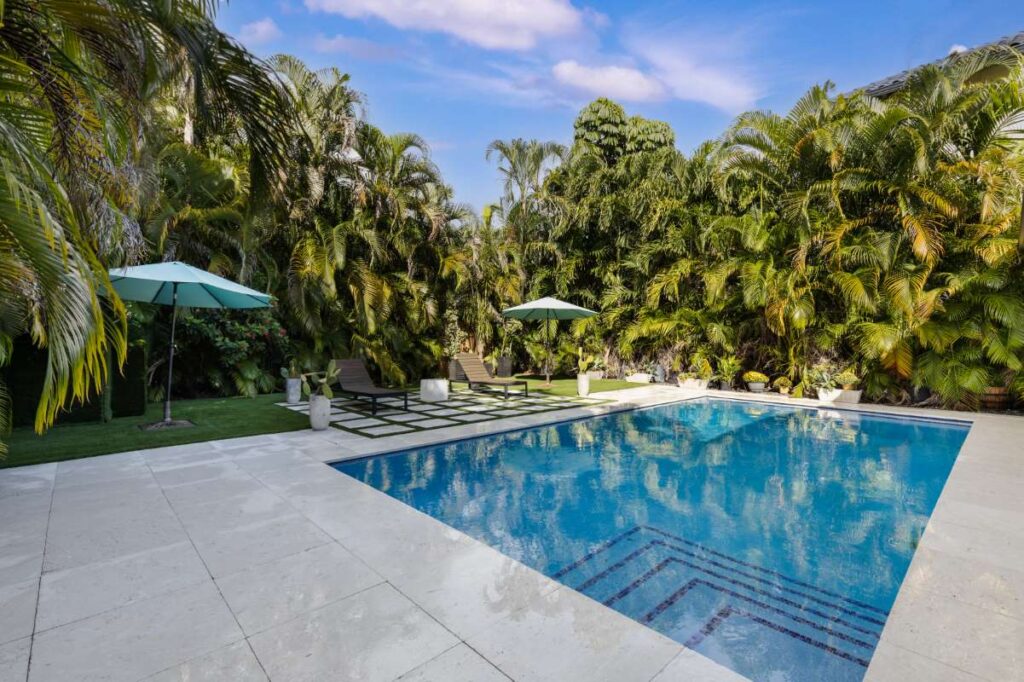
Discover effective strategies to fix low pressure in pool systems, ensuring optimal performance for your pool maintenance needs.
How to Fix Low Pressure in Pool Systems
Maintaining a pool is not just about keeping the water clean and inviting; it also involves ensuring that the pool’s systems operate efficiently. Low pressure in pool systems can lead to a myriad of issues, from poor filtration to inadequate water circulation. This blog post will guide you through the common causes of low pressure and provide practical solutions to remedy the problem. By understanding the intricacies of your pool’s systems, you can maintain optimum water quality and extend your pool’s life.
In this comprehensive guide, we will cover various aspects of low pressure issues, including how to identify the root causes, effective troubleshooting techniques, and preventive measures. Whether you are a seasoned pool owner or a newcomer to pool maintenance, this article will equip you with the knowledge necessary to keep your pool functioning seamlessly.
Understanding the Causes of Low Pressure
Before diving into solutions, it’s essential to understand what leads to low pressure in pool systems. The most common causes include clogged filters, leaks in the plumbing, and issues with the pump. Each of these factors affects water circulation and overall pool performance.
1. **Clogged Filters**: Over time, debris and contaminants accumulate in the filter, obstructing water flow. A clogged filter restricts the water’s movement, leading to decreased pressure. Regular maintenance, such as cleaning or replacing the filter when necessary, is crucial in preventing this issue.
2. **Leaks in the Plumbing**: Leaks can develop in various parts of the plumbing system, including pipes and fittings. These leaks reduce the overall pressure in the system as water escapes before it reaches the pool. Inspecting for leaks and addressing them promptly is vital for maintaining proper water pressure.
3. **Pump Issues**: The pool pump is responsible for circulating water throughout the system. If the pump is malfunctioning or not sized correctly for your pool, it can contribute to low pressure. Ensure that the pump is running efficiently and consider consulting a professional if problems persist.
Troubleshooting Low Pressure in Your Pool System
Once you identify potential causes, the next step is troubleshooting. Begin by checking the filter, as this is often where low pressure issues originate. Clean or replace the filter according to the manufacturer’s recommendations. If the filter appears clean but pressure remains low, shift your focus to the plumbing.
Perform a thorough inspection of the plumbing for any visible leaks. Look for wet spots or water pooling around your pool area, which could indicate a leak. Additionally, check the connections and fittings to ensure they are secure and not allowing water to escape.
If leaks are not found and the filter is clear, evaluate the pump. Check for any unusual noises, vibrations, or signs of wear that could indicate mechanical failure. Additionally, ensure that the pump is correctly sized for your pool; an underpowered pump will struggle to maintain adequate pressure.
Addressing Common Issues to Restore Pressure
Once you have diagnosed the potential causes, addressing these issues can help restore pressure to your pool system. For clogged filters, regular maintenance schedules can prevent accumulation. If your filter is damaged or too old, consider replacing it with a new, high-efficiency model to ensure better performance.
For plumbing leaks, sealing minor leaks with appropriate sealants or replacing damaged pipes can be an effective solution. In more severe cases, it may be necessary to consult a professional plumber to address complex issues.
If your pump is not functioning correctly, it might require servicing. Sometimes, simple adjustments or part replacements can restore its efficacy. If the pump is undersized, consider upgrading to a model that better fits your pool’s specifications to ensure adequate pressure.
Preventive Measures for Maintaining Optimal Pressure
Preventing low pressure issues in your pool system is often more efficient than troubleshooting after problems arise. Regular maintenance is key. Schedule routine filter cleaning and inspections to keep the system running smoothly. Properly maintaining your pool not only ensures optimal pressure but also extends the lifespan of your equipment.
Additionally, consider investing in high-quality pool equipment. Premium filters, pumps, and plumbing materials may have a higher initial cost but can save you money in repairs and replacements down the line.
Lastly, familiarize yourself with the specific needs of your pool. Different types of pools and environments may have unique maintenance requirements; understanding these can help you maintain optimal pressure and overall pool health.
Understanding Your Pool’s System Components
For effective troubleshooting and maintenance, a solid understanding of your pool’s system components is crucial. This includes knowing the function of each part, such as the pump, filter, heater, and plumbing.
1. **Pump**: The heart of the pool system, a pump circulates water through the filter and heating system, ensuring water quality and temperature. Regularly check the pump for any signs of wear and ensure it operates efficiently.
2. **Filter**: The filter cleans the water by removing debris and contaminants. Choose a filter type (sand, cartridge, or diatomaceous earth) that suits your pool and maintain it according to the manufacturer’s instructions.
3. **Heater**: If you have a heating system, ensure it is functioning correctly to maintain a comfortable swimming temperature. Regular maintenance will help ensure it operates efficiently alongside the filtration system.
When to Call a Professional
While many low-pressure issues can be addressed through DIY troubleshooting, some situations may require professional assistance. If you encounter persistent low pressure despite following the tips outlined, it might be time to consult a pool service expert.
Additionally, if you suspect significant plumbing leaks or pump failures, professional help can save you time and potentially costly repairs. Experts have the tools and experience to diagnose complex issues that may not be visible to the untrained eye.
In Florida and Texas, where the pool maintenance industry is booming, finding a reliable pool service provider is essential. Companies like Tower Business Brokers can connect you with experts in the field, ensuring you receive the best advice and service.
Investing in Your Pool Maintenance Knowledge
Investing time into understanding the intricacies of your pool system pays off significantly. By equipping yourself with knowledge on how to fix low pressure in pool systems, you will not only save on repair costs but also ensure your pool remains a haven of relaxation and fun.
Consider attending workshops or online courses focused on pool maintenance. Many local pool supply stores offer classes that can enhance your understanding of pool systems and maintenance techniques.
Furthermore, engaging in community forums or groups can provide valuable insights. Connecting with other pool owners allows you to share experiences, tips, and solutions to common problems.
Conclusion
Low pressure in pool systems may seem like a daunting issue, but with the right knowledge and proactive maintenance, you can keep your pool functioning at its best. Understanding the causes, troubleshooting effectively, and implementing preventive measures are key to ensuring the longevity and health of your pool.
Remember, consistent maintenance not only preserves the functionality of your pool but also enhances your enjoyment and relaxation. If you’re looking to expand your knowledge or invest in your own pool maintenance business, explore options such as [Pool Routes for Sale](https://pool-routes-for-sale.com/) to find a route that fits your goals.
Don’t hesitate to take action. Start implementing these strategies today to ensure your pool remains a refreshing retreat for years to come!