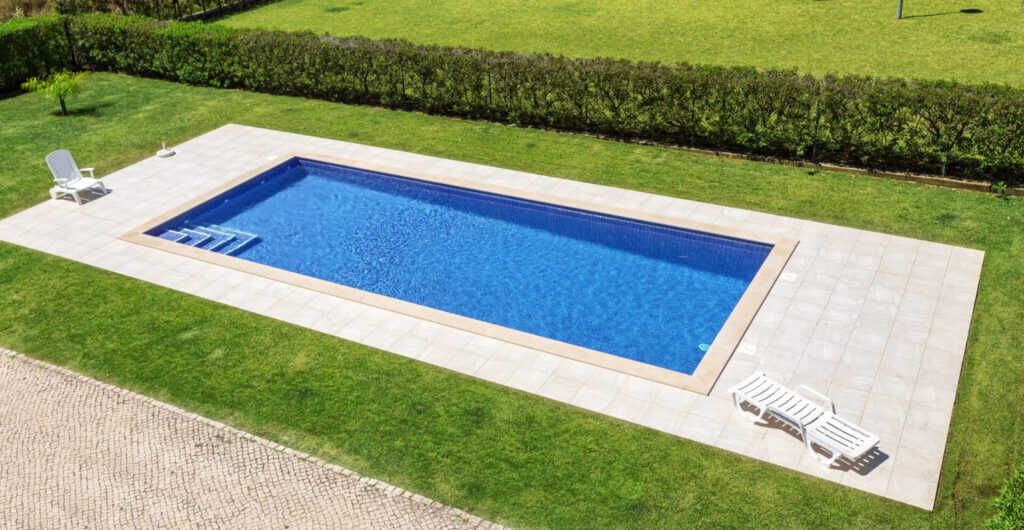
The right pool pump can make the difference between a clean, inviting swimming environment and a frustrating maintenance headache. Here’s how to choose wisely.
How to Choose the Right Pool Pump for Long-Term Efficiency
When it comes to maintaining a swimming pool, one of the most crucial pieces of equipment is the pool pump. A high-quality, efficient pump not only helps keep your water clean and clear but can also lead to significant savings on energy costs over time. This article will explore the key factors to consider when selecting the right pool pump, the different types available, and how to ensure long-term efficiency in your pool maintenance.
Choosing the right pool pump can be a complex decision, but it is essential for the longevity of your pool system. A well-functioning pump is responsible for circulating water through your filtration system, which helps eliminate debris, bacteria, and algae. Moreover, a suitable pool pump can save you money in energy costs and maintenance repairs over time. In this blog post, we will delve into the various types of pool pumps, the factors you should consider when selecting one, and tips for ensuring their efficient operation throughout their lifespan.
Understanding Pool Pump Types
There are three main types of pool pumps: single-speed, two-speed, and variable-speed pumps. Each type has its pros and cons, and understanding these can help you make an informed choice.
Single-speed pumps operate at a fixed speed and are typically less expensive upfront. However, they are often less energy-efficient, leading to higher electricity bills. In contrast, two-speed pumps can operate at both high and low speeds, providing flexibility and better energy savings during lower-demand times.
Variable-speed pumps are the most advanced option, offering the highest level of efficiency. These pumps allow you to adjust the speed according to the specific demands of your pool, which can significantly reduce energy usage. In fact, variable-speed pumps can save pool owners up to 90% on energy costs compared to single-speed pumps, making them a smart long-term investment.
Key Factors to Consider When Choosing a Pool Pump
When selecting the right pool pump for your swimming pool, several crucial factors should be taken into consideration:
- Pool Size: The size of your pool will directly influence the type of pump you need. Larger pools typically require pumps with higher flow rates to efficiently circulate water.
- Filter Type: The type of filtration system you have will also affect your choice. Different filters require different flow rates, so compatibility is essential.
- Energy Efficiency: As mentioned earlier, energy efficiency impacts long-term costs. Look for pumps with ENERGY STAR ratings for optimal performance.
A good rule of thumb is to choose a pump that can circulate the entire volume of your pool water in 8 hours for optimal filtration. This ensures your pool remains clean while utilizing energy efficiently.
Installation and Maintenance
Proper installation and maintenance of your pool pump are critical for achieving long-term efficiency. It is advisable to have a professional handle the installation to ensure that the pump operates correctly and safely. Regular maintenance, such as cleaning filters and checking for leaks, will prolong the life of your pump.
Ensure that your pool pump is installed in a cool, dry area with adequate ventilation. This will help prevent overheating and other issues that might arise from improper placement. Regularly inspecting the pump for wear and tear can catch problems before they escalate, saving you both time and money in repairs.
Energy-Saving Features
Modern pool pumps come equipped with various energy-saving features that can enhance their efficiency. For instance, many variable-speed pumps allow users to program their operating speed based on specific times of the day. This flexibility enables you to run the pump during off-peak hours, taking advantage of lower electricity rates.
Additionally, consider pumps that are compatible with smart home technology. Features such as remote control operation and automatic scheduling can help optimize your pool pump’s performance, thereby reducing energy costs even further.
Visual Aids and Additional Resources
Imagery such as diagrams illustrating pump types and flow rates can help clarify the differences between the pumps discussed. Visual aids can also demonstrate how energy savings accumulate over time when using a variable-speed pump versus a single-speed pump.
Furthermore, if you’re considering expanding your business into the pool maintenance industry, knowing how to choose the right equipment is crucial. Companies like Tower Business Brokers, Inc. provide valuable insights into the pool service sector, offering resources such as tips for acquiring established customer bases and understanding market dynamics. They also provide listings for [pool routes for sale](https://pool-routes-for-sale.com/) in Florida and Texas, making it easier for entrepreneurs to dive into this profitable business.
Common Mistakes to Avoid
When purchasing a pool pump, it is easy to make common mistakes that can lead to inefficiencies. Here are some of the pitfalls to avoid:
- Choosing Size Over Efficiency: Some pool owners may opt for a larger pump to ensure adequate circulation. However, oversized pumps can lead to increased energy consumption and wear down the filtration system.
- Neglecting Maintenance: Failing to regularly maintain your pump can result in reduced efficiency and a shorter lifespan. Schedule routine inspections and cleanings.
- Ignoring Noise Levels: The noise level of a pump can be a significant factor, especially for residential areas. Select pumps known for their quiet operation to enhance comfort.
Conclusion
Choosing the right pool pump is critical for the longevity and efficiency of your pool maintenance efforts. Whether you opt for a single-speed, two-speed, or variable-speed pump, understanding your pool’s specific needs will lead to better decisions. Consider factors such as pool size, energy efficiency, and maintenance requirements to maximize your investment.
With the right pump, you can maintain a clean and inviting pool while minimizing energy costs. If you’re looking to explore opportunities in the pool service industry, be sure to check out [pool routes for sale](https://pool-routes-for-sale.com/) to find established routes in Florida and Texas.
Start your journey to efficient pool management today by selecting the right pump and committing to ongoing maintenance. Your pool, and your wallet, will thank you!