Discover effective strategies to balance water flow between features and filtration in your pool for optimal performance and aesthetics.
How to Balance Water Flow Between Features and Filtration
Water flow management is a pivotal aspect of pool maintenance that ensures both the aesthetic appeal of your pool and its operational efficiency. In this blog post, we will delve into the intricacies of balancing water flow between various features of your pool, such as waterfalls and fountains, and the filtration system. Understanding how to manage these elements effectively can enhance water clarity, minimize energy costs, and prolong the life of your pool equipment. We will explore practical tips, expert insights, and techniques to optimize water flow, making your pool an inviting oasis.
Let’s embark on this journey to better water management, ensuring your pool not only looks spectacular but also functions flawlessly.
Understanding Water Flow Dynamics
Water flow in a pool is driven by a combination of pumps, gravity, and the layout of the plumbing system. Each feature, whether it’s a fountain, waterfall, or spa, requires a specific flow rate to operate effectively. The filtration system, on the other hand, needs a consistent flow to maintain water clarity and hygiene.
To grasp the importance of water flow balance, consider that too much flow can lead to excessive turbulence, which can disrupt the skimming process needed for effective filtration. Conversely, too little flow may result in stagnant water, encouraging algae growth and compromising water quality. According to industry standards, optimal flow rates for most pool systems range from 1 to 2 gallons per minute (GPM) per square foot of the pool surface area.
For instance, if your pool has a surface area of 1,000 square feet, you would need between 1,000 and 2,000 GPM for optimal performance. Understanding these dynamics allows pool owners to create a harmonious balance between aesthetic features and necessary filtration.
The Role of Filtration Systems
Filtration systems serve as the backbone of any pool, ensuring that debris, bacteria, and contaminants are removed from the water. The two major types of filtration systems are sand filters and cartridge filters, both of which have specific flow requirements. Sand filters typically require higher flow rates to operate effectively, while cartridge filters function better with lower flow rates.
To maintain clarity and hygiene, it is essential to adjust the water flow to ensure that the filtration system can adequately process the volume of water circulating through the pool. Regular maintenance, including cleaning the filters and inspecting pump operations, is crucial. For instance, a clogged filter can greatly reduce flow rates, causing strain on the pump and reducing the overall efficiency of the system.
Using a flow meter can help pool owners monitor the flow rate and make necessary adjustments. Ideally, the filtration system should be able to cycle the entire volume of water in the pool at least once every eight hours. This means that if your pool holds 20,000 gallons of water, your filtration system should be capable of moving 2,500 gallons per hour.
Integrating Water Features
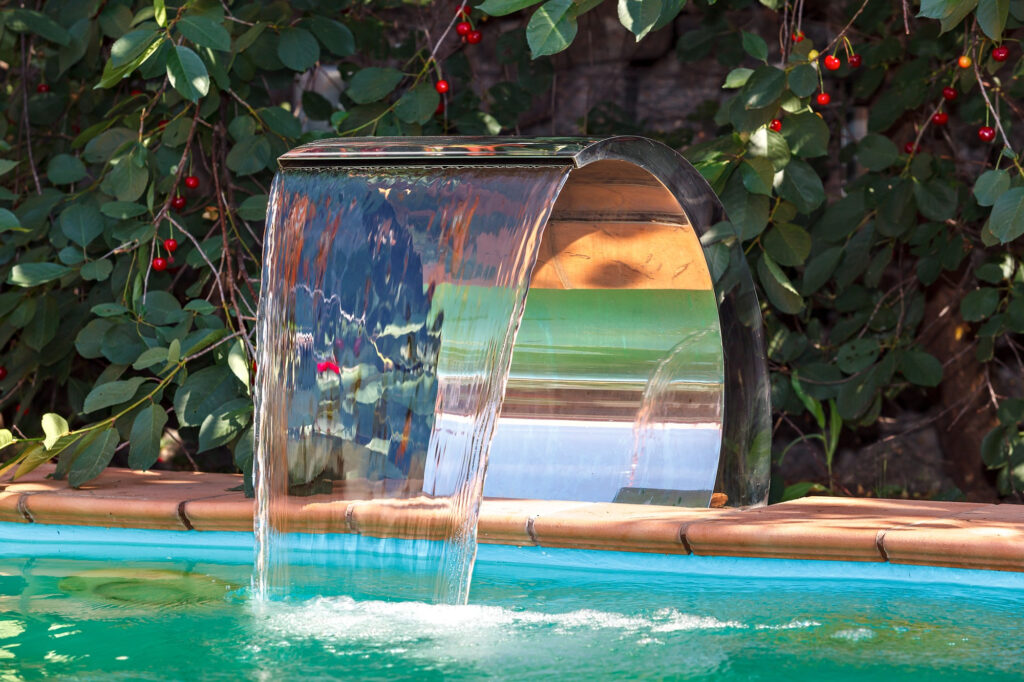
Water features such as fountains, waterfalls, and jets add aesthetic value and create a serene atmosphere in your pool area. However, they require careful integration into the overall water flow system. Each feature must be designed to complement the filtration system rather than hinder its operation.
When installing additional features, it’s crucial to calculate the total flow rate needed for both the features and the filtration system. For example, if your waterfall needs 1,000 GPM to function correctly, and your filtration system requires another 1,500 GPM, the total system must be capable of handling 2,500 GPM. This balance ensures that each element operates smoothly without compromising overall performance.
Moreover, adjustable valves can be employed to fine-tune the flow to different features, allowing you to prioritize between aesthetics and filtration when necessary. For instance, during peak use times, you might want to increase the flow to the filtration system while reducing the flow to the waterfall.
Optimizing Pump Performance
The pump is the heart of the pool’s circulation system, and its performance is crucial for proper water flow balance. When selecting a pump, consider its capacity and efficiency. Variable-speed pumps are particularly advantageous as they allow for adjustments in flow rates, conserving energy during lower-demand periods while providing sufficient power when needed.
Regular maintenance of the pump is essential. This includes checking for air leaks, ensuring the impeller is clear of debris, and verifying that the motor is functioning optimally. Over time, wear and tear can affect the pump’s efficiency, leading to imbalanced water flow.
In addition, consider using a pump that is designed to handle both filtration and feature operation simultaneously. This ensures seamless integration and helps maintain the desired flow rates across all systems. Upgrading to energy-efficient pumps can also result in long-term cost savings on energy bills while maintaining effective water circulation.
Best Practices for Water Flow Management
To maintain optimal water flow balance between your pool features and filtration system, adhere to the following best practices:
- Regular Monitoring: Keep an eye on flow rates and adjust as necessary. Use a flow meter for precise measurements.
- Scheduled Maintenance: Regularly clean filters, inspect pumps, and check the overall plumbing system for blockages or wear.
- Adjustable Valves: Implement adjustable valves in your plumbing system to control the flow to various features as needed.
- Proper Pump Selection: Choose a pump that meets the flow requirements of both the filtration system and any water features.
- Expert Consultation: Consulting with a pool service expert can provide insights tailored to your specific setup and help you optimize your system.
By following these practices, pool owners can achieve a harmonious balance between aesthetic enjoyment and functional efficiency.
Common Challenges and Solutions
Even with the best practices in place, challenges may arise in maintaining proper water flow. One common issue is an imbalance between the flow rates of the filtration system and water features. This can lead to decreased efficiency and water quality.
A solution to this problem is to reevaluate your system’s layout. Consider rerouting pipes or adjusting valve settings to balance flow rates more effectively. Additionally, you may need to upgrade components of your filtration system or water features to accommodate the desired flow.
Another challenge is dealing with fluctuations in water flow due to environmental factors such as leaves or debris entering the pool. Installing skimmers and automatic cleaners can help minimize these disruptions, ensuring that your filtration system operates efficiently.
Future Innovations in Pool Water Management
As technology advances, the pool industry continues to evolve with innovative solutions for water flow management. Smart pool systems are emerging, equipped with sensors and automated controls that can adjust flow rates based on real-time data.
These systems can monitor water quality, temperature, and flow rates, making adjustments automatically to maintain optimal conditions. This technology not only improves the efficiency of your pool but also enhances user convenience.
Investing in such innovations can lead to lower operating costs and a more enjoyable swimming experience. As the demand for energy-efficient and smart homes grows, incorporating these technologies becomes increasingly advantageous.
Conclusion
Balancing water flow between your pool’s features and filtration system is essential for both aesthetic enjoyment and operational efficiency. By understanding the dynamics of water flow, optimizing pump performance, and implementing best practices, you can create a serene swimming environment while ensuring water quality and safety.
Investing in professional support, such as consulting with a pool service specialist, can provide valuable insights tailored to your specific needs. As you embark on this journey of water flow management, remember that a well-maintained system enhances the longevity of your pool and maximizes your enjoyment.
Explore your options for pool routes for sale as you consider expanding into the pool maintenance industry. Our team at Tower Business Brokers is here to assist you in navigating the world of pool ownership and ensuring your investment is sound. Contact us today to start your journey towards pool route ownership!