How Rapid Urban Development Impacts Pool Water Quality
Urban development is a phenomenon that brings numerous benefits, from enhanced infrastructure to economic growth. However, it also presents challenges, particularly concerning water quality in swimming pools. As cities expand and more people flock to urban areas, the impact on pool water quality becomes increasingly significant. This article delves into how rapid urban development influences pool water quality, examining various factors such as pollution, infrastructure, and best practices for maintaining clean and safe pool water.
The rapid urbanization of cities has profound implications for pool water quality, particularly in regions experiencing significant population growth. As urban areas expand, the natural landscape is often altered, leading to various environmental impacts that can compromise the cleanliness and safety of pool water. Understanding these impacts is crucial for pool owners and operators who wish to maintain high standards of pool water quality. This article explores the various aspects of how urban development affects pool water quality and provides actionable steps for mitigating these challenges.
The Impact of Urbanization on Water Quality
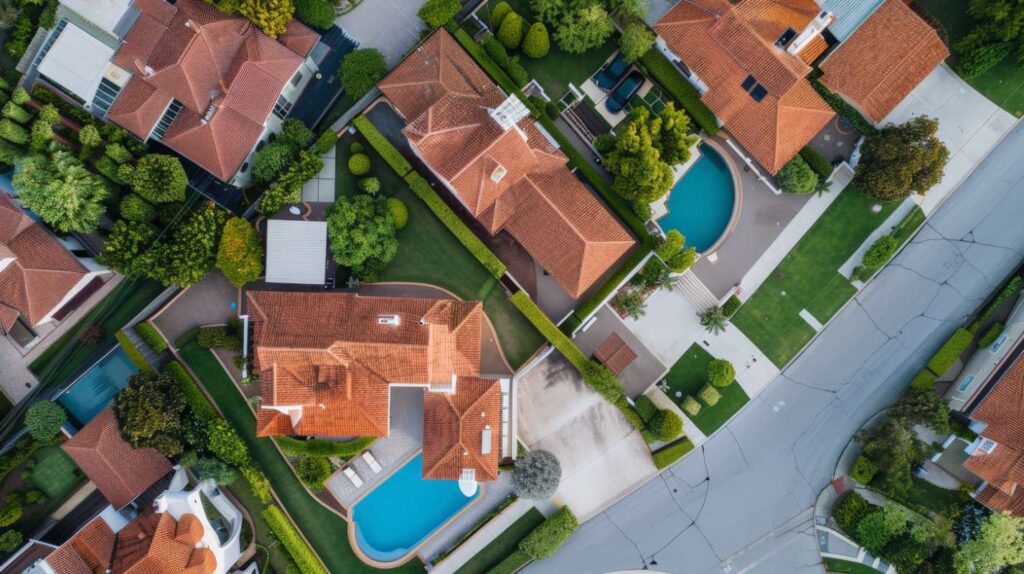
Urbanization leads to increased runoff and pollution, which can severely affect pool water quality. As cities expand, natural surfaces are replaced with impermeable materials such as asphalt and concrete. This change results in more stormwater runoff carrying pollutants like oils, heavy metals, and sediments into nearby bodies of water, which can eventually find their way into residential pools. According to a study by the Environmental Protection Agency (EPA), urban runoff is a leading cause of water quality impairment in many urban areas.
Furthermore, the rise in population density contributes to increased waste production and more vehicles on the road. This scenario can lead to higher levels of air pollution, which in turn can affect pool water quality through atmospheric deposition. For example, rainwater contaminated with pollutants can lead to the accumulation of harmful substances in pool water, potentially posing health risks to swimmers.
Infrastructure Challenges and Solutions
With rapid urban development, the demand for adequate infrastructure increases significantly. Unfortunately, existing water treatment facilities may not be equipped to handle the additional burden caused by population growth. This can lead to inadequate treatment of water, resulting in the introduction of contaminants into public water supplies, affecting pools reliant on municipal water sources.
To combat these challenges, pool owners should consider investing in advanced filtration systems that can effectively remove contaminants from pool water. Additionally, implementing regular water testing can help identify issues before they escalate, ensuring that pool water remains safe and clean for use. Moreover, cities can enhance their infrastructure by adopting green building practices and investing in sustainable urban drainage systems, which help manage runoff and reduce pollution.
The Role of Chemical Balance in Urban Pools
Urban environments can influence the chemical balance of pool water due to the introduction of various contaminants. For instance, increased dust and debris from surrounding construction sites can lead to higher levels of particulates in the water. Maintaining a proper chemical balance is vital to ensure that pool water remains safe for swimming.
Regular testing and adjustment of pH levels, chlorine, and alkalinity are necessary to counteract the effects of urban pollution. Pool owners should schedule routine maintenance checks to monitor these levels and ensure proper chemical balance. Furthermore, utilizing eco-friendly pool cleaning products can reduce the introduction of harmful chemicals into the water, providing a cleaner swimming environment.
Best Practices for Maintaining Pool Water Quality
To ensure optimal water quality in urban pools, there are several best practices that pool owners should adopt. Firstly, regular cleaning and maintenance are essential. This includes skimming the surface for debris, vacuuming the bottom, and regularly brushing the walls.
Secondly, investing in quality filtration systems is crucial. High-efficiency filters can effectively remove particles and contaminants from the water, making it safer for swimmers. Additionally, pool covers can help minimize debris accumulation when the pool is not in use, reducing the frequency of cleaning required.
Finally, education plays a vital role in maintaining pool water quality. Pool owners should stay informed about local water quality reports and pollution levels, particularly during heavy rain events when runoff is likely to be higher. This knowledge can help them take proactive measures to protect their pool water quality.
Urban Pool Design Considerations
Another factor to consider when discussing pool water quality in urban areas is the design of the pool itself. Urban pools may often be located in densely populated areas, which can lead to unique challenges. For instance, a lack of natural barriers can expose pools to higher levels of pollution and debris.
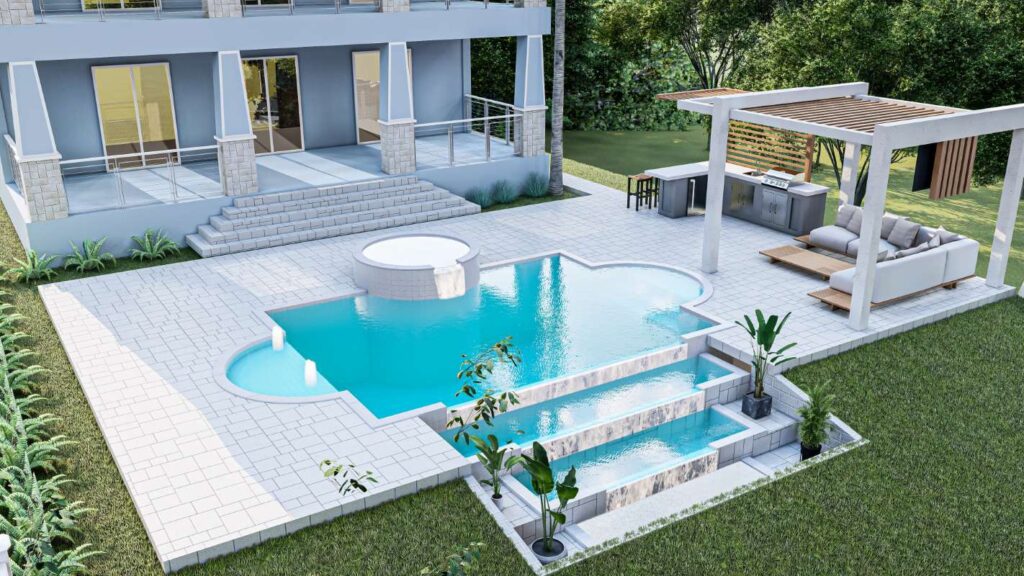
Designing pools with adequate landscaping can act as a buffer against pollutants. Incorporating plants and trees around the pool area can help filter runoff and reduce the amount of debris that enters the water. Additionally, designing pools with proper drainage systems can help manage excess water and ensure that contaminants are minimized.
Community Initiatives for Pool Water Quality
Community involvement plays a significant role in maintaining water quality in urban areas. Local governments and organizations can implement initiatives aimed at reducing pollution and promoting sustainable practices. For example, organizing community clean-up events can help reduce debris in public water sources, leading to cleaner water for everyone.
Additionally, educational programs can raise awareness about the importance of maintaining water quality and encourage responsible swimming pool practices among residents. Such initiatives can foster a sense of community ownership over local water resources and promote a culture of sustainability.
Conclusion
The impact of rapid urban development on pool water quality is multifaceted, involving environmental, infrastructural, and community aspects. As cities continue to grow, it is crucial for pool owners to be proactive in maintaining water quality through regular maintenance, appropriate chemical balance, and community engagement.
By understanding the challenges posed by urbanization and implementing best practices, pool owners can ensure clean and safe swimming environments. Ultimately, promoting awareness and encouraging responsible practices can contribute to overall better water quality in urban pools.
For those interested in expanding their pool service business, consider exploring [Pool Routes for Sale](https://pool-routes-for-sale.com/) to tap into the growing pool maintenance industry. Understanding how to navigate these challenges equips entrepreneurs with the tools they need to thrive in a rapidly changing urban landscape.