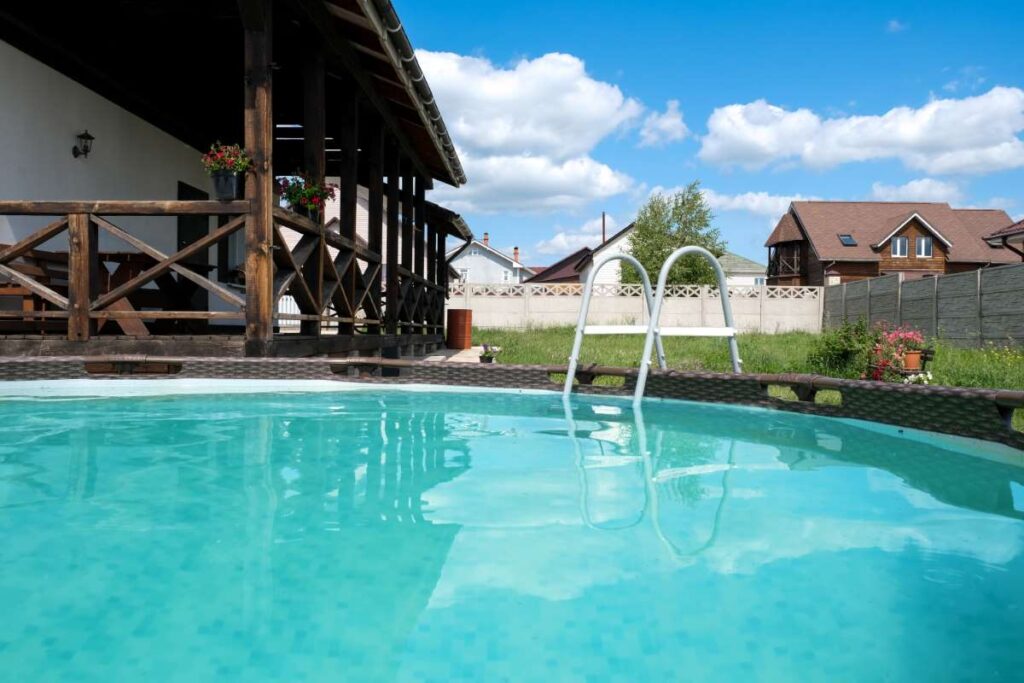
How Poor Pool Circulation Creates Safety Concerns
Poor pool circulation is not just an inconvenience; it poses significant safety risks for swimmers and pool owners alike. In this blog post, we will explore how inadequate water circulation can lead to a host of safety concerns, ranging from water quality issues to increased risks of accidents. We will also discuss effective measures to ensure proper circulation, emphasizing the importance of maintaining a safe swimming environment.
When we think about pool safety, we often focus on obvious hazards like slippery surfaces or inadequate supervision. However, one of the most insidious issues that can compromise safety is poor water circulation. Understanding this topic is crucial, as it encompasses various aspects of pool maintenance, hygiene, and overall swimmer safety. Throughout this article, we’ll delve into the critical aspects of pool circulation and provide actionable insights for pool owners to ensure a safe swimming experience.
Understanding Pool Circulation
Pool circulation refers to the movement of water within a swimming pool, primarily facilitated by pumps and filtration systems. Effective circulation ensures that water is evenly distributed, allowing for proper filtration, chemical distribution, and temperature regulation.
Without adequate circulation, stagnant water can become a breeding ground for bacteria, algae, and other harmful microorganisms. According to the Centers for Disease Control and Prevention (CDC), improper pool circulation is one of the leading causes of waterborne illnesses in recreational water settings.
For instance, in a survey conducted by the CDC, it was reported that 1 in 8 pools inspected had unsafe levels of bacteria, largely attributed to poor circulation. This highlights the urgency of maintaining effective pool circulation not just for hygiene, but for the safety of all swimmers.
The Risks of Inadequate Circulation
One of the primary dangers associated with poor pool circulation is reduced water quality. Stagnant water can lead to cloudy conditions, making it difficult for lifeguards or parents to see swimmers in distress. Furthermore, without proper filtration, harmful chemicals and contaminants can build up, posing serious health risks.
Additionally, poor circulation can result in uneven chemical distribution, leading to spikes in chlorine or other sanitizers in some areas while leaving others inadequately treated. This uneven treatment can cause skin and eye irritation for swimmers, leading to a negative swimming experience.
For example, consider a family pool that experiences poor circulation due to an old or malfunctioning pump. The result could be an increased likelihood of swimmer illnesses, which can lead to liability issues for the pool owner, especially in the case of public or commercial pools.
Accidents and Drowning Risks
Moreover, poor circulation can lead to unexpected hazards, including increased risks of drowning. When water is not circulating properly, it can create areas of turbulence or random currents that can disorient swimmers, particularly children or inexperienced individuals.
Additionally, debris can accumulate in stagnant areas, posing tripping hazards and reducing visibility. This can lead to accidents both in and around the pool. Clear water is essential not just for aesthetic reasons but also for ensuring that everyone can see potential hazards and respond quickly if needed.
In a tragic instance reported in a local news outlet, a child drowned in a poorly maintained pool where water clarity and circulation were compromised. Such incidents underscore the critical importance of regular maintenance and vigilant monitoring of pool circulation systems.
Strategies for Effective Pool Circulation
To prevent safety concerns related to poor circulation, pool owners must implement a robust maintenance plan. First and foremost, it is vital to regularly check and maintain pool pumps and filters to ensure they are functioning optimally. This includes cleaning filters and checking for blockages that could impede water flow.
Pool owners should also consider investing in automated systems that monitor water quality and circulation. Such technology can provide real-time data, alerting owners to potential issues before they escalate. Regular maintenance checks should incorporate these technologies to enhance overall pool safety.
Furthermore, pool owners can improve circulation by strategically placing return jets and adjusting their angle to promote even water movement. Regularly removing debris and ensuring that skimmers are functioning correctly also contributes to better water quality and circulation.
Educating Pool Users
In addition to maintenance, educating pool users is equally important. Providing clear guidelines about safe swimming practices, including how to respond in emergencies, can enhance safety. Signage around the pool area can remind users of the importance of staying alert and swimming safely.
Furthermore, regular training for lifeguards or family members responsible for supervising children can ensure they are prepared to handle potential emergencies. This proactive approach to education can significantly reduce the risks associated with poor pool circulation.
Conclusion
In conclusion, poor pool circulation is a serious issue that can lead to various safety concerns, including water quality problems, increased drowning risks, and liability issues for pool owners. By maintaining proper circulation through regular maintenance, utilizing technology, and educating pool users, we can create a safer swimming environment for everyone.
As you consider your options for pool ownership or maintenance, it’s essential to prioritize safety. If you’re looking to invest in a pool route and want to ensure that you operate a safe and profitable business, explore our offerings at [Tower Business Brokers](https://pool-routes-for-sale.com/) today. Remember, a well-maintained pool not only protects swimmers but also enhances the overall experience for everyone involved.