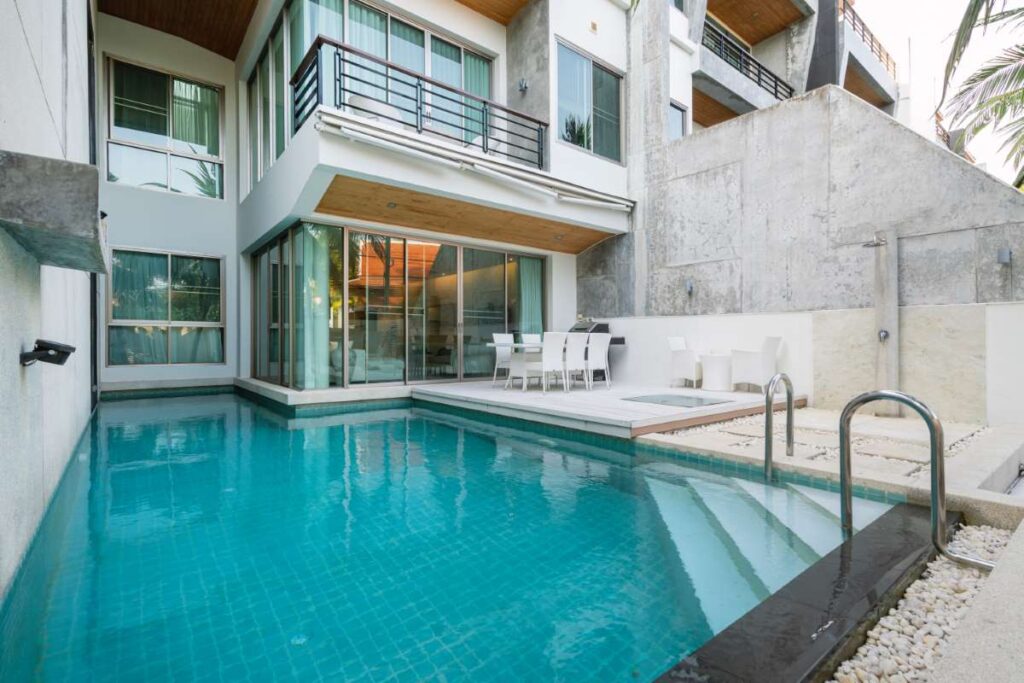
How Overcast Regions Affect Chlorine Consumption
Overcast regions present unique challenges and considerations for pool maintenance, particularly when it comes to chlorine consumption. Understanding these challenges is crucial for pool service professionals and owners alike. This blog post delves into the relationship between weather conditions and chlorine usage, exploring how cloudy environments influence pool chemistry, maintenance routines, and overall water quality.
Chlorine is a vital component in keeping swimming pools clean and safe for users. It serves as a disinfectant, killing harmful bacteria and maintaining water clarity. However, the dynamics of chlorine consumption can vary significantly depending on environmental factors, especially in regions characterized by frequent overcast conditions. In this article, we will explore how these factors affect chlorine usage, offering practical insights for pool service providers and owners.
Understanding the interplay between weather patterns and chlorine effectiveness is essential for optimizing pool maintenance strategies. Overcast regions, known for their persistent cloud cover, can lead to reduced UV radiation exposure, which has a direct impact on chlorine’s efficacy and consumption rates. By evaluating these factors, pool service professionals can implement effective practices that ensure water quality while managing chemical costs.
The Role of UV Radiation in Chlorine Consumption
One of the most significant factors affecting chlorine consumption in pools is the presence (or absence) of UV radiation from sunlight. UV rays play a crucial role in breaking down chlorine molecules, a process known as photolysis. In sunny regions, pools typically require a higher chlorine concentration to maintain sanitation levels due to the rapid degradation of chlorine caused by UV exposure.
Conversely, the overcast conditions prevalent in certain regions result in diminished UV radiation. This phenomenon can lead to slower chlorine degradation, potentially allowing pool owners to use lower concentrations of chlorine. Studies indicate that in areas with consistent cloud cover, chlorine levels can be more stable, as the chemical is less likely to break down as quickly as it would in sunnier climates.
For pool service providers, this insight is critical. When servicing pools in overcast regions, it becomes essential to regularly monitor chlorine levels and adjust chemical dosing accordingly. By understanding the local environmental conditions, professionals can optimize their maintenance schedules and maintain water quality efficiently.
Temperature and Chlorine Stability
Aside from UV radiation, temperature is another key factor influencing chlorine stability and consumption. Cooler temperatures, often associated with overcast weather, can also lead to a decrease in the rate at which chlorine dissipates. When temperatures drop, the activity of chlorine is reduced, allowing it to remain effective for a longer duration.
This stability can yield significant advantages for pool maintenance in overcast regions. By maintaining appropriate water temperatures and monitoring chemical levels, pool owners can optimize chlorine use while ensuring their pools remain sanitized. Additionally, this presents an opportunity to educate clients about the benefits of maintaining optimal water temperatures, particularly in climates where overcast conditions are frequent.
However, it is important to note that while cooler temperatures can enhance chlorine stability, they can also affect the overall pool environment. For instance, lower temperatures may lead to increased algae growth, particularly if there is insufficient circulation or filtration. Pool service providers should remain vigilant in addressing these challenges to ensure ongoing water quality.
Impact of Rainfall on Chlorine Levels
Overcast regions often experience heightened levels of rainfall, which can significantly influence chlorine consumption. Rainwater can dilute pool water and lower chlorine concentration, necessitating adjustments in chemical dosing. When it rains, the introduction of fresh water can lead to the depletion of existing chlorine levels, requiring pool owners to add more chlorine post-rain.
Interestingly, rainwater can also introduce contaminants that challenge water balance. Organic materials, debris, and even pollutants can wash into pools, increasing the demand for chlorine to maintain sanitation. Consequently, it is crucial for pool service professionals to consider local precipitation patterns when planning maintenance schedules and chemical treatments.
One effective strategy is to monitor local weather forecasts and proactively adjust chlorine levels before predicted rain. By anticipating these changes, pool service providers can maintain optimal water quality and reduce the frequency of chemical adjustments needed after rainfall.
Maintaining Water Clarity in Overcast Conditions
Water clarity is a key aspect of pool management, and overcast conditions can pose challenges in maintaining this clarity. Although reduced sunlight may stabilize chlorine levels, cloudy weather can lead to decreased visibility and aesthetic appeal in pools. This phenomenon can result in an increase in customer complaints or dissatisfaction.
Pool service professionals can counteract these challenges by utilizing clarifiers and flocculants that enhance water clarity. These products help to aggregate and remove small particles that might contribute to murky water. Additionally, maintaining proper filtration and circulation systems is essential for ensuring effective cleaning and maintaining crystal-clear water.
Furthermore, regular water testing can help identify imbalances that could affect clarity. This proactive approach enables pool service providers to address issues before they escalate, ensuring that pools remain inviting and enjoyable for users.
Recommendations for Pool Service Providers in Overcast Regions
Based on the insights discussed, pool service providers in overcast regions can adopt several best practices to optimize chlorine consumption and maintain water quality. Firstly, regular water testing is paramount. By frequently monitoring chlorine and pH levels, pool professionals can make timely adjustments to chemical dosing, ensuring that pools remain clean and safe.
Secondly, understanding the local climate patterns, including UV radiation levels and rainfall, allows for informed decision-making. Providers should consider seasonal variations and adjust maintenance schedules accordingly. Implementing a winterization plan during cooler months can conserve resources and prepare pools for the upcoming season.
Lastly, educating clients on the implications of their local environment is key. Providing insights on how overcast conditions affect chlorine consumption can enhance client relations and foster trust. Clients who understand the intricacies of pool maintenance are more likely to appreciate the value of professional service.
Conclusion: The Way Forward
Overcast regions present unique challenges for chlorine consumption, yet understanding these dynamics can empower pool service professionals to optimize their practices. By considering factors such as UV radiation, temperature, and rainfall, service providers can adjust their strategies to maintain water quality while managing chemical costs effectively.
As the pool maintenance industry continues to evolve, adapting to regional conditions will be crucial for success. By leveraging the insights shared in this article, pool service providers can create effective maintenance routines that ensure pool owners enjoy clean and safe swimming environments.
For those looking to expand their pool service businesses or invest in pool routes for sale, understanding local conditions can be an invaluable asset. Explore comprehensive opportunities to acquire established pool routes and enhance your business portfolio by visiting [Pool Routes for Sale](https://pool-routes-for-sale.com/).
Contact Tower Business Brokers today to learn how we can support your journey into pool route ownership. Our expertise in the pool maintenance industry, coupled with our commitment to client success, makes us the ideal partner in your business endeavors.