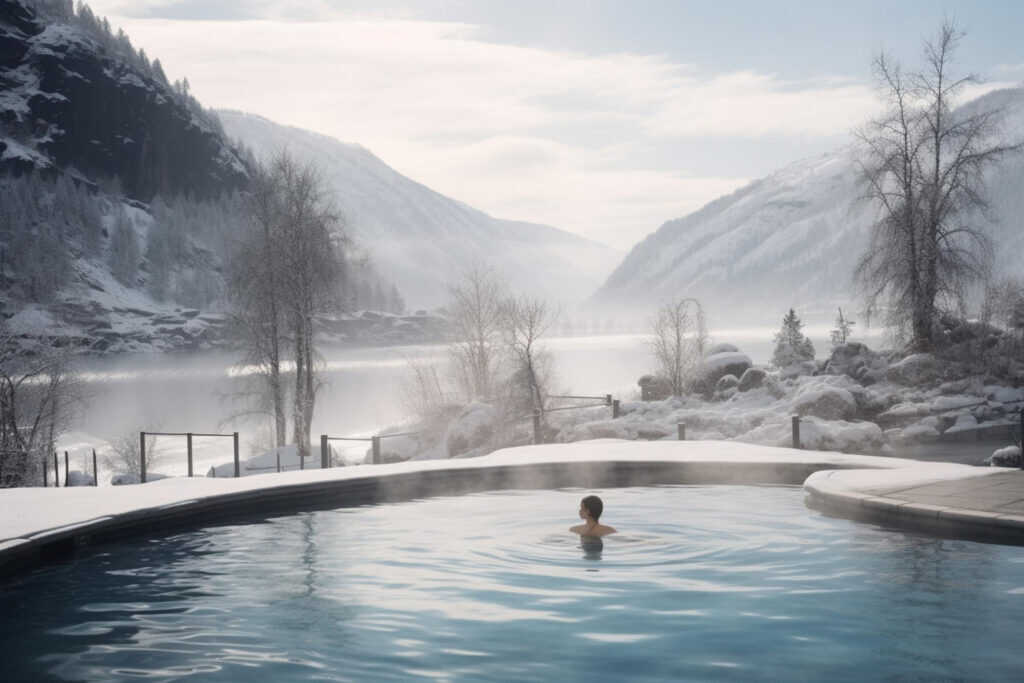
How high-humidity regions can significantly impact water clarity, influencing both aesthetics and aquatic life. Discover the science behind this phenomenon!
How High-Humidity Regions Affect Water Clarity
High-humidity regions play a pivotal role in determining water clarity, an essential factor for the ecological health of aquatic ecosystems. This blog post will explore how humidity levels can alter water conditions, the implications for local wildlife, and practical strategies for maintaining clear waters. By understanding this relationship, we can better appreciate the delicate balance of our natural environments and the best practices necessary for preservation.
Water clarity is influenced by a multitude of environmental factors, and humidity is a major player in this dynamic. High-humidity areas often experience various weather patterns that can affect not only the amount of precipitation but also the quality of the water. In this blog, we will delve into the specifics of how high humidity influences water clarity, address its ecological implications, and offer insights into managing water quality effectively.
The significance of water clarity extends beyond mere aesthetics. Clear water promotes healthy ecosystems, supporting a variety of aquatic life while enhancing recreational activities such as swimming and fishing. Unfortunately, in regions with high humidity, water clarity can suffer due to increased nutrient runoff, algal blooms, and sedimentation. Understanding these processes is crucial for anyone involved in environmental management or the pool maintenance industry.
The Effects of Humidity on Water Quality
High humidity can dramatically affect water quality, particularly in freshwater bodies such as lakes, rivers, and ponds. This phenomenon is often linked to an increase in precipitation, which can wash pollutants and nutrients into the water. When these nutrients, particularly nitrogen and phosphorus, enter the water body, they can lead to eutrophication, a process that results in excessive growth of algae.
Algal blooms not only reduce water clarity but can also produce toxins harmful to aquatic life and humans. In regions like Florida and Texas, where humidity often coincides with heavy rainfall, these conditions are particularly pronounced. For instance, Florida’s warm, humid climate can lead to frequent algal blooms in its many lakes and rivers, affecting both clarity and safety for recreational users.
Moreover, high humidity can cause increased evaporation rates, leading to more concentrated pollutants in the remaining water. As evaporative losses occur, the remaining water becomes less diluted, intensifying the effects of runoff and contributing to poor water clarity. Understanding these effects can help in designing better management strategies for water bodies prone to such conditions.
Case Studies: Humidity Levels and Water Clarity
Several studies have documented the relationship between humidity and water clarity in different regions. For example, research conducted in Texas revealed that lakes located in areas with high humidity levels exhibited more severe algal blooms, particularly during the summer months when evaporation rates peaked. These blooms were linked to increased nutrient loads from agricultural runoff, exacerbated by heavy rainfall patterns.
In Florida, similar trends have been observed in the Everglades, where high humidity and nutrient runoff have led to significant changes in water clarity and overall ecosystem health. The introduction of invasive species, coupled with the nutrient influx, has further complicated the water quality issues. These case studies underscore the importance of monitoring and managing water quality in high-humidity areas.
Comparative Analysis: Humidity and Water Clarity Around the World
When comparing regions worldwide, the effect of humidity on water clarity varies significantly. For instance, tropical regions such as Southeast Asia, characterized by high humidity and heavy rainfall, often experience severe water clarity issues due to similar factors seen in Florida and Texas. Conversely, arid regions with low humidity tend to have clearer waters, primarily due to lower nutrient runoff.
In Europe, lakes in northern countries experience different challenges. Though humidity is not as high, the presence of acid rain and industrial runoff also affects water clarity. These comparisons highlight the diverse factors influencing water quality and the need for tailored management approaches based on regional climates and environmental conditions.
Practical Applications for Water Clarity Management
Given the challenges posed by high humidity on water clarity, it is essential to adopt best practices for water management. Implementing buffer zones around water bodies can significantly reduce nutrient runoff by absorbing excess fertilizers before they enter the water. Additionally, using sediment traps can help minimize the amount of suspended solids that reduce clarity.
Regular monitoring of water quality parameters is crucial, allowing for timely interventions when clarity begins to decline. In cases of algal blooms, immediate action is necessary, such as the application of algicides or adjusting nutrient inputs. For pool service entrepreneurs looking to venture into environmental health, understanding these practices is invaluable.
Furthermore, public education on the importance of maintaining water clarity can lead to community-driven initiatives aimed at protecting local water bodies. This proactive approach not only enhances water quality but fosters a sense of stewardship among residents.
The Role of Policy and Regulation
Effective policy and regulation are vital for managing water clarity in high-humidity regions. Governments can implement stricter controls on agricultural runoff, enforce regulations on land use practices, and fund research into sustainable practices that protect water bodies. In Florida, for example, initiatives aimed at reducing nutrient pollution have been introduced, focusing on best management practices for agriculture and urban development.
Collaboration between governmental agencies, local communities, and environmental organizations can enhance these efforts, ensuring that regulations are practical and enforceable. Policies that promote sustainable land use, reduce pollution, and protect natural habitats can lead to improved water clarity over time.
Future Outlook: Innovations in Water Management
The future of water clarity management in high-humidity regions lies in innovation and technology. Advances in monitoring technologies, such as remote sensing and real-time data analytics, can provide more accurate assessments of water quality. These tools can help identify problem areas more quickly, allowing for targeted interventions to improve clarity.
Moreover, the development of environmentally friendly treatments for managing algal blooms and nutrient loading is on the rise, providing new solutions for maintaining water quality. As research continues, we can expect to see more efficient and sustainable practices emerge, driving improvements in water clarity across high-humidity regions.
For entrepreneurs in the pool maintenance industry, staying informed about these innovations is crucial. Investing in new technologies can enhance service offerings and contribute to better water quality management, thus benefiting both business operations and the environment.
Conclusion
High-humidity regions present unique challenges to maintaining water clarity, impacting both ecosystem health and recreational use. Understanding the relationship between humidity, precipitation, and water quality is essential for effective management strategies. By implementing best practices, fostering community engagement, and supporting innovative solutions, we can work towards clearer waters and healthier ecosystems.
For those in the pool maintenance industry, such as entrepreneurs looking for opportunities in Florida and Texas, the knowledge of how environmental factors impact water quality can pave the way for sustainable business practices. Explore options like [Pool Routes for Sale](https://pool-routes-for-sale.com/) to ensure you remain at the forefront of both profitability and ecological responsibility.