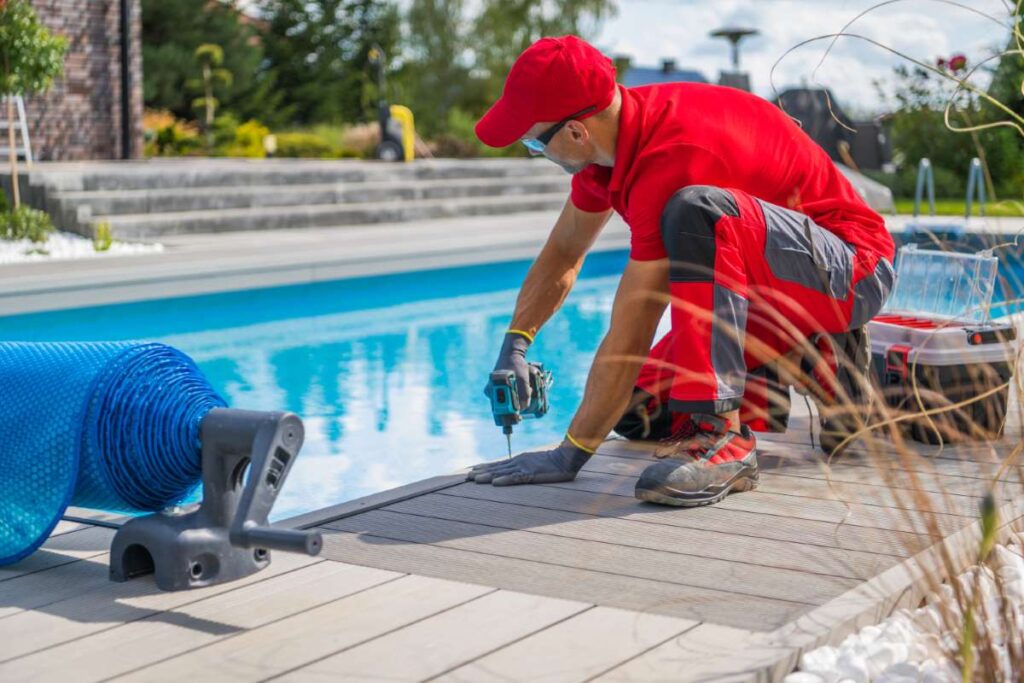
Chloramines are a common byproduct of chlorine used in swimming pools and other water systems. Understanding their formation and removal is crucial for maintaining water quality.
How Chloramines Form and Why They Must Be Removed
Chloramines, also known as combined chlorine, are compounds formed when chlorine reacts with organic matter such as sweat, urine, and skin cells in water. They are commonly found in swimming pools, drinking water supplies, and even in some spas and hot tubs. While chlorine is an essential element for sanitation and disinfection, the formation of chloramines can lead to a host of issues that affect water quality and user experience. In this blog post, we will explore how chloramines form, their effects, and the importance of removing them from water systems, particularly in pools and recreational water facilities.
Swimming pools are designed to be welcoming and enjoyable for users, but the presence of chloramines can turn that experience sour. These compounds can cause irritation to the eyes, skin, and respiratory system, often leading to complaints from swimmers. Moreover, chloramines can produce unpleasant odors that deter people from enjoying their time in the water. Understanding the chemistry behind chloramine formation will help pool operators and homeowners take the necessary steps to mitigate their effects. In this article, we will delve into the science of chloramines, their impact on pool water quality, and effective removal strategies.
Understanding Chloramine Formation
Chloramines form through a chemical reaction between chlorine and ammonia, which is often introduced into the water by organic contaminants. When chlorine is added to pool water, it reacts with these contaminants, leading to the formation of chloramines. This process can be exacerbated by factors such as high bather loads, inadequate water circulation, and poor filtration systems.
The primary types of chloramines found in swimming pools include monochloramine, dichloramine, and trichloramine. Monochloramine is the least irritating and is often used in drinking water treatment due to its stability and lower odor. In contrast, dichloramine and trichloramine can cause significant irritation and have a strong, unpleasant smell. Their formation is often a result of chlorine overuse or imbalanced water chemistry.
Statistics show that chloramine levels in pools can rise significantly, especially during busy hours when many swimmers are present. Studies indicate that chloramine concentrations can reach levels that are detrimental to both human health and the pool environment if not properly managed. It is essential for pool operators to monitor and manage these levels to ensure the safety and comfort of all users.
The Impact of Chloramines on Water Quality
The presence of chloramines can have severe implications for water quality in pools and other recreational water facilities. Chloramines contribute to the formation of disinfection byproducts (DBPs), which can pose health risks when consumed or inhaled. For instance, studies have linked high levels of chloramines to respiratory issues, particularly in swimmers who are regularly exposed to chlorinated water.
Chloramines can also compromise the effectiveness of chlorine as a disinfectant. When chlorine is bound up in chloramines, it is less available to kill harmful bacteria and viruses, putting swimmers at risk for infections and illnesses. Moreover, chloramines can create an unsightly film on pool surfaces and contribute to the corrosion of equipment, increasing maintenance costs and reducing the lifespan of pool infrastructure.
In addition to health concerns, chloramines can erode the aesthetic appeal of a pool. The unpleasant smell and potential for irritation can deter swimmers, leading to a decrease in pool usage and revenues for operators. Therefore, it is vital to maintain optimal water quality to attract and retain customers.
Removing Chloramines: Effective Strategies
To mitigate the adverse effects of chloramines, pool operators must employ effective removal strategies. One of the most common methods is shock chlorination, which involves adding a high dose of chlorine to the water to break down chloramines and restore sanitization. This process is crucial after periods of heavy usage or when chloramine levels are detected to be elevated.
Another effective method for chloramine removal is the use of alternative oxidizers, such as potassium monopersulfate (MPS). MPS can oxidize chloramines without introducing additional chlorine into the water, making it a popular choice for maintaining water quality. Many pool professionals recommend incorporating MPS into regular maintenance schedules to keep chloramine levels in check.
Regular water testing is also essential for monitoring chloramine levels. Pool operators should frequently test for free available chlorine, total chlorine, and chloramines to ensure that water chemistry remains balanced. Maintaining the proper pH and total alkalinity levels can further enhance chlorine’s effectiveness and reduce chloramine formation.
Maintaining Optimal Water Chemistry
Maintaining optimal water chemistry is a critical component of chloramine management. The pH level of pool water should ideally be between 7.2 and 7.8, as this range allows for maximum chlorine efficacy. Additionally, total alkalinity should be maintained within the recommended range to stabilize pH levels and minimize fluctuations.
Regular backwashing of filters and ensuring adequate circulation is crucial for preventing the buildup of organic contaminants that contribute to chloramine formation. Proper maintenance of pool surfaces, including scrubbing tiles and cleaning pool decks, can also help reduce the introduction of organic matter into the water.
While chloramines can be a significant challenge for pool operators and homeowners alike, understanding the underlying chemistry and implementing effective management strategies can greatly improve water quality. Educating users about the importance of hygiene and cleanliness before entering the pool can further reduce organic matter and help maintain an enjoyable swimming environment.
Long-term Solutions for Chloramine Management
In addition to immediate removal techniques, long-term solutions are necessary for effective chloramine management. Consider investing in advanced oxidation processes (AOP), which utilize ultraviolet (UV) light or ozone in conjunction with chlorine. These methods can help to effectively break down chloramines and organic contaminants while maintaining water clarity and safety.
Furthermore, pool operators should explore alternative sanitization methods, such as saltwater chlorination systems, which can offer a more stable form of chlorine with fewer chloramine byproducts. Saltwater systems convert salt into chlorine through electrolysis, producing lower levels of chloramines compared to traditional chlorine systems.
Finally, educating users about the importance of minimizing contaminants entering the pool can lead to a significant reduction in chloramine formation. Encouraging swimmers to shower before entering the pool, avoiding urination in the water, and promoting good hygiene can help maintain a cleaner environment and enhance overall water quality.
The Role of Pool Business Brokers in Chloramine Management
With the importance of water quality clear, pool business brokers like Tower Business Brokers can play a vital role in guiding pool operators toward effective chloramine management strategies. Pool business brokers offer comprehensive training and support to pool service professionals, ensuring they are equipped with the knowledge and tools needed to maintain optimal water conditions.
Additionally, brokers can assist in the acquisition of established pool routes that prioritize water quality and customer satisfaction. By purchasing a pool route, operators can gain access to existing systems, clientele, and best practices for chloramine management, allowing them to focus on delivering high-quality service while minimizing health risks.
For those looking to enter the pool maintenance industry, understanding the intricacies of chloramine management is essential for achieving success and ensuring customer satisfaction. Whether you are exploring pool routes for sale, seeking advice on operational efficiencies, or looking to invest in a flourishing business, partnering with a knowledgeable broker can set you on the right path.
Conclusion
In conclusion, chloramines are a significant concern for swimming pools and other water systems, impacting both water quality and user experience. Their formation can lead to health issues, unpleasant odors, and financial repercussions for pool operators. However, with effective management strategies such as shock chlorination, alternative oxidizers, and maintenance of water chemistry, chloramines can be effectively removed.
Maintaining optimal water quality should be a priority for all pool operators, and investing in long-term solutions can ensure a safe and enjoyable environment for swimmers. As the pool maintenance industry continues to grow, understanding the role of chloramines and how to manage them will be crucial for success. For more information on how to navigate the pool service industry and explore available pool routes for sale, visit [Pool Routes for Sale](https://pool-routes-for-sale.com/) and start your journey today.