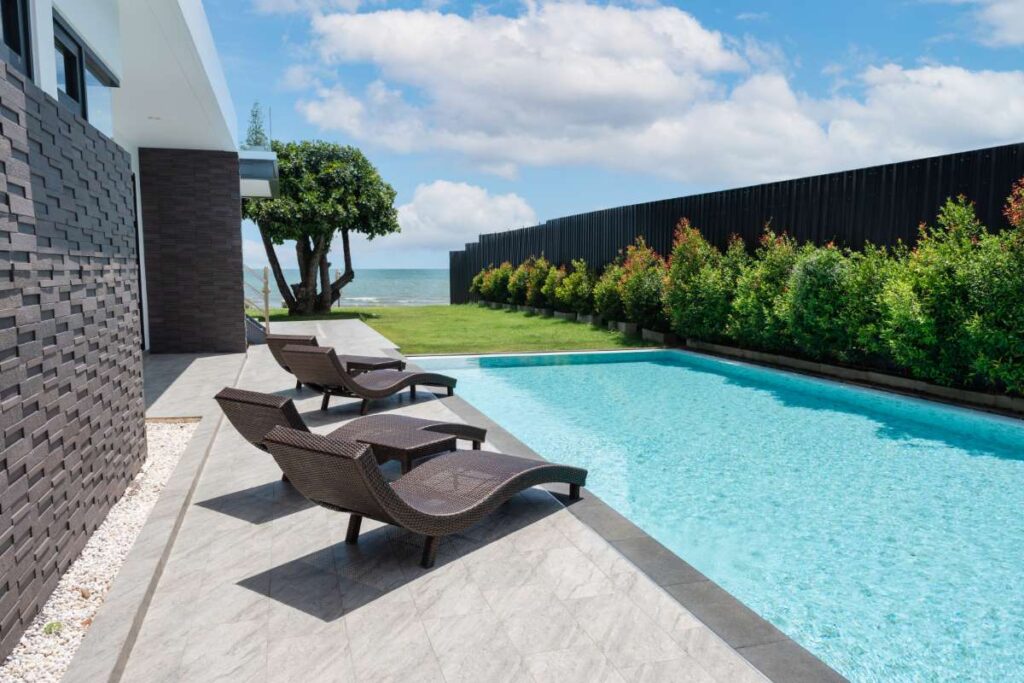
Energy-efficient pool equipment can significantly reduce operational costs while enhancing your pool’s sustainability. Discover how consistency in performance matters more than speed.
Energy‑Efficient Pool Equipment in Nevada: Why Consistency Matters More Than Speed
In Nevada’s scorching heat, maintaining a pool can be a daunting task, particularly if energy costs are a concern. Energy-efficient pool equipment not only reduces your electricity bills but also contributes to environmental sustainability. This blog post will explore why investing in consistent, energy-efficient equipment is critical for pool owners in Nevada. We will delve into the advantages of energy efficiency, discuss the types of equipment available, and highlight the importance of consistent performance over speed for long-term benefits.
Swimming pools are a staple in many Nevada households and communities, providing a refreshing escape from the desert heat. However, the operational costs associated with keeping a pool clean and heated can be substantial. As pool owners seek to minimize expenses, energy-efficient equipment emerges as a vital solution. Not only does this equipment lower energy bills, but it also extends the life of your pool systems through reliable performance.
In this article, we will cover various types of energy-efficient pool equipment, how they operate, and their benefits. We will also emphasize the importance of consistent performance over rapid results, especially in the fluctuating climate of Nevada.
The Significance of Energy Efficiency
Energy efficiency in pool equipment is not just a trend; it is a necessity. According to the U.S. Department of Energy, swimming pools account for a significant portion of residential energy consumption. By utilizing energy-efficient systems, pool owners can drastically cut down their energy usage. For instance, energy-efficient pumps use up to 70% less energy than their traditional counterparts, resulting in lower utility bills.
Moreover, energy-efficient equipment often qualifies for rebates and incentives from utility companies, further offsetting initial costs. This makes investing in energy-efficient options not only a financial necessity but also a smart economic decision.
In Nevada, one of the best energy-efficient options is a variable-speed pump. Unlike single-speed pumps, which operate at full capacity all the time, variable-speed pumps can adjust their speeds according to the pool’s needs. This adaptability leads to substantial energy savings.
Types of Energy-Efficient Pool Equipment
Several types of energy-efficient equipment can enhance your pool’s performance. Each serves a unique purpose and can contribute to overall energy savings.
1. **Variable-Speed Pumps:** These pumps are designed to operate at multiple speeds, allowing them to run more efficiently based on the task at hand. By using lower speeds for regular circulation, variable-speed pumps consume significantly less energy.
2. **Energy-Efficient Heaters:** Traditional pool heaters can be energy hogs. Modern heat pumps and solar heaters provide efficient heating options. Heat pumps extract heat from the air and transfer it to the pool water, while solar heaters utilize sunlight to warm the pool.
3. **LED Pool Lighting:** Conventional lighting systems can consume a lot of energy. Replacing them with LED lights can reduce energy use up to 80%. LEDs not only last longer but also provide better illumination, enhancing the pool’s aesthetics.
4. **Automatic Pool Cleaners:** Energy-efficient automatic cleaners can save time and reduce energy consumption compared to manual cleaning methods. Robotic cleaners are particularly effective, as they can navigate the pool autonomously, using less energy while delivering superior cleaning performance.
Consistency Over Speed: The Key to Long-Term Success
While it may be tempting to prioritize speed when it comes to pool maintenance, consistency should take precedence. This is particularly relevant when considering energy-efficient equipment. For example, a variable-speed pump operating steadily will maintain water circulation and cleanliness without spiking energy costs.
Consistency in energy use leads to predictability in operating costs. With energy-efficient equipment, pool owners can expect reliable performance, which translates to lower energy bills. Speedy high-power equipment might seem effective initially, but its high energy consumption can result in skyrocketing electricity costs over time.
Reducing energy consumption through consistent operation also has environmental benefits. By minimizing energy use, pool owners contribute to reduced greenhouse gas emissions, which is crucial in combating climate change. Consistency in performance signifies reliability and sustainability—a critical aspect of responsible pool ownership.
Case Studies: Energy Efficiency in Action
In Las Vegas, several community pools have transitioned to energy-efficient systems. One prominent case involved upgrading to variable-speed pumps and LED lighting. The community reported a 40% reduction in monthly energy costs, which was reinvested into facility maintenance and community programs. This case exemplifies how energy efficiency can promote operational sustainability.
Similarly, in Henderson, local schools upgraded their pool heating systems to solar options. Not only did they decrease energy costs, but the initiative also served to educate students about sustainability practices. The success of these projects underscores the importance of considering long-term benefits over immediate gains.
Best Practices for Implementing Energy-Efficient Equipment
As you consider transitioning to energy-efficient equipment, here are some best practices:
1. **Conduct an Energy Audit:** Assess your current energy usage and identify areas for improvement. An audit will provide insight into which equipment requires upgrades.
2. **Research and Select Quality Equipment:** Not all energy-efficient equipment is created equal. Choose reputable brands with proven performance records. Consulting with experts can guide you to the best choices for your pool.
3. **Schedule Regular Maintenance:** Ensure that your energy-efficient systems are properly maintained. Routine checks will help keep equipment operating at peak efficiency, enhancing longevity and performance.
The Role of Professional Pool Service Brokers
Investing in energy-efficient pool equipment is a significant step, and enlisting the help of a professional pool business broker can simplify the process. Brokers like [Tower Business Brokers](https://pool-routes-for-sale.com/) offer insights into market trends and available equipment, ensuring you make informed decisions.
With expertise in the pool maintenance sector, brokers can guide you through selecting the most suitable options for your specific needs. They provide valuable resources and support to help you navigate the complexities of upgrades, repairs, and maintenance strategies.
By collaborating with a trusted broker, you can further enhance your pool’s energy efficiency while ensuring that your investment yields the greatest return.
Conclusion
In Nevada’s demanding climate, energy-efficient pool equipment is not just a luxury; it’s a necessity for cost-effective and sustainable pool ownership. Emphasizing consistency in performance over speed can lead to significant long-term savings and environmental benefits. As pool owners, you have the opportunity to make choices that not only enhance your enjoyment of your pool but also contribute positively to the planet.
Investing in energy-efficient equipment is a step towards sustainability and operational excellence. As you explore options, remember that the upfront investment will pay off through reduced energy bills and enhanced longevity of your pool systems. Contact a professional broker like [Tower Business Brokers](https://pool-routes-for-sale.com/) today to start your journey to more efficient and effective pool management.