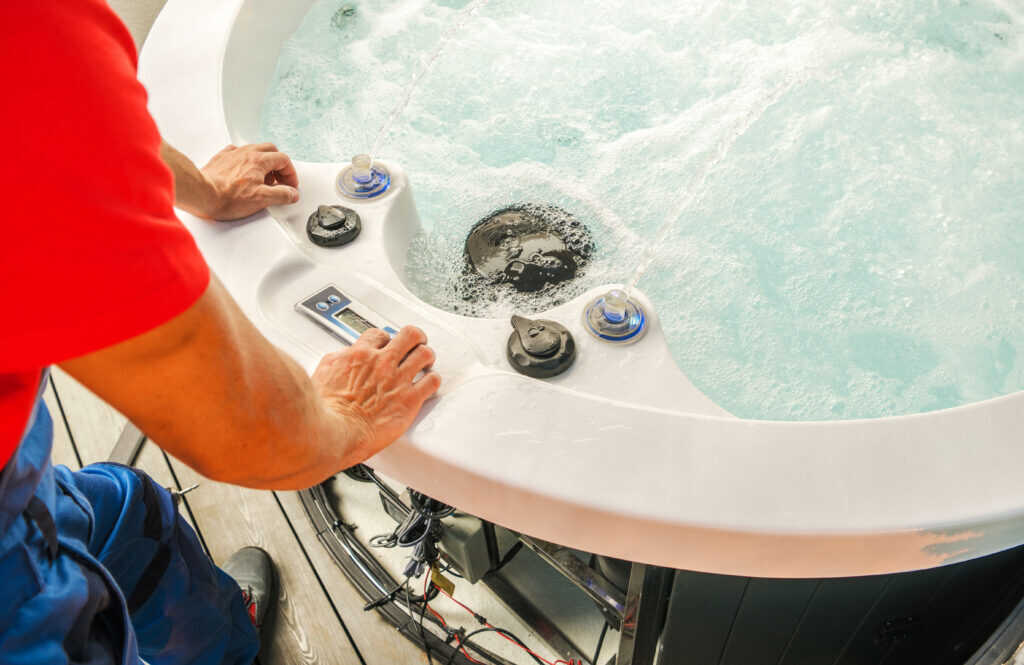
Discover the vital role of pool water chemistry in optimizing performance, ensuring safety, and enhancing enjoyment in your swimming experience.
Pool Water Chemistry: The Science Behind Better Performance
Understanding pool water chemistry is not only crucial for maintaining a safe swimming environment but also for enhancing the overall performance of your pool. The right balance of chemicals like chlorine, pH, and alkalinity can drastically impact water clarity, sanitation, and swimmer comfort. In this blog post, we’ll delve into the science behind pool water chemistry, providing in-depth insights, practical tips, and the importance of maintaining optimal conditions. Whether you’re a pool service professional or a homeowner, mastering these principles will lead to a more enjoyable swimming experience.
Proper pool water chemistry is essential for several reasons. First and foremost, it ensures that the water is safe for swimmers, minimizing the risk of skin irritations and infections. Secondly, maintaining the right chemical balance enhances the performance of the pool’s filtration and sanitation systems, extending their lifespan and reducing maintenance costs. Lastly, well-balanced water contributes to clearer, more inviting water, creating a more enjoyable atmosphere for swimming. Let’s dive deeper into the various aspects of pool water chemistry.
The Importance of pH Levels
The pH level of pool water is one of the most critical factors to monitor. It measures how acidic or alkaline the water is, with a scale of 0 to 14, where 7 is neutral. Ideally, pool water should have a pH level between 7.2 and 7.8. Maintaining this balance is vital for several reasons.
When the pH is too low (acidic), it can cause skin and eye irritation for swimmers and may also corrode pool equipment, leading to costly repairs. Conversely, if the pH is too high (alkaline), it can lead to cloudy water and reduce the effectiveness of chlorine as a sanitizer. Regularly testing and adjusting the pH levels through the use of pH increasers or decreasers is essential for optimal pool maintenance. For pool service professionals, being knowledgeable about pH management can set you apart in the competitive pool maintenance industry.
Chlorine: The Essential Sanitizer
Chlorine is perhaps the most well-known chemical used in pool maintenance, primarily for its sanitizing properties. It effectively kills bacteria, viruses, and algae, ensuring that the water remains safe for swimming. However, managing chlorine levels requires careful monitoring and adjustment.
The ideal free chlorine level in a residential pool should be between 1 and 3 parts per million (ppm). If levels fall below this range, the risk of pathogen growth increases, posing health risks to swimmers. On the other hand, excessively high chlorine levels can cause strong odors, skin irritations, and eye redness. Regular testing and use of stabilizers can help maintain appropriate chlorine levels, ensuring a safe swimming environment. For pool owners looking to sell or buy pool routes, understanding chlorine management can enhance the value of their services.
Alkalinity and Its Role
Alkalinity refers to the ability of water to resist changes in pH, acting as a buffer against fluctuations. Proper alkalinity levels are crucial for maintaining stable pH levels, and they ideally should be between 80 and 120 ppm. If alkalinity is too low, the water can become corrosive, leading to damage to pool surfaces and equipment.
Conversely, high alkalinity can make it difficult to adjust pH levels, potentially leading to cloudy water. Adjusting alkalinity typically involves adding sodium bicarbonate to the water. For pool service professionals, understanding how to balance alkalinity effectively can improve service quality and customer satisfaction. This expertise can also be a valuable selling point when marketing pool routes for sale.
Calcium Hardness: Importance and Management
Calcium hardness refers to the concentration of calcium ions in the water and is essential for protecting pool surfaces and equipment. The ideal calcium hardness level for pools is typically between 200 and 400 ppm. If levels are too low, the water can become corrosive, leading to etching of plaster surfaces, deterioration of metal fixtures, and increased wear on pool equipment.
Conversely, high calcium levels can lead to scale formation, which can cause cloudiness and reduce water clarity. Managing calcium hardness involves adding calcium chloride, especially in areas with soft water. For pool service operators, effective calcium management can enhance the longevity of their clients’ pools, contributing to customer retention and satisfaction.
Regular Testing and Maintenance
Regular testing of pool water is non-negotiable for maintaining optimal chemical balance. Test strips or liquid test kits can provide quick and accurate readings of pH, chlorine, alkalinity, and calcium hardness levels. Establishing a routine testing schedule—ideally once a week—can help identify imbalances before they become significant issues.
In addition to chemical testing, routine maintenance tasks, such as cleaning filters, skimming debris, and checking pool equipment, are crucial for ensuring a healthy swimming environment. For pool service professionals, promoting a comprehensive maintenance plan that includes regular testing and adjustments can enhance client satisfaction and lead to more business opportunities. By highlighting the importance of water chemistry in their marketing materials, they can attract more clients looking for reliable pool maintenance services.
Common Pool Water Chemistry Issues and Solutions
Understanding common issues related to pool water chemistry is essential for effective management. One prevalent issue is cloudy water, often a result of imbalanced pH or high levels of contaminants. This can be addressed by testing water chemical levels and adjusting them as necessary. Additionally, using a clarifier can help improve water clarity by coagulating small particles so they can be filtered out more effectively.
Another common issue is algae growth, which can rapidly occur in poorly sanitized water. Regular shock treatments with chlorine or algaecide can help control algae outbreaks effectively. For pool professionals, having a detailed knowledge of these common problems and solutions can set them apart in the competitive market, ensuring they can offer reliable service to their clients.
The Role of Stabilizers
Stabilizers, particularly cyanuric acid, play a vital role in protecting chlorine from degradation due to sunlight. Without stabilizers, chlorine can dissipate quickly, particularly in outdoor pools. The ideal cyanuric acid level is between 30 and 50 ppm. If levels are too low, pool owners may experience high chlorine consumption, leading to increased costs.
Maintaining proper stabilizer levels not only ensures that chlorine remains effective but also contributes to overall water clarity and sanitation. Understanding the importance of stabilizers is crucial for those in the pool service industry, as it allows them to provide comprehensive advice to clients who may be unaware of these critical components of pool maintenance.
Environmental Factors and Their Impact
Environmental factors such as weather, pollen, and debris can significantly impact pool water chemistry. For instance, heavy rain can dilute pool chemicals, altering pH and chlorine levels. Similarly, high levels of debris can introduce organic matter, potentially increasing the demand for chlorine.
Regularly monitoring environmental conditions and adjusting chemical levels accordingly is crucial for maintaining balanced water. Pool service professionals should educate clients on how factors such as local weather can affect their pools, ensuring they remain proactive in their maintenance routines. This knowledge can enhance customer relationships and boost overall service quality.
Best Practices for Pool Water Chemistry
Implementing best practices for pool water chemistry can significantly improve the quality of the swimming experience. First, always keep a well-stocked supply of essential chemicals on hand to facilitate quick adjustments as needed. Second, establish a regular maintenance schedule to ensure consistent testing and treatment.
Additionally, educating pool users about the importance of showering before swimming can help reduce contaminants introduced into the water. This simple measure can significantly enhance water quality and reduce the frequency of chemical adjustments necessary to maintain balance. For pool service professionals, emphasizing these best practices in their communication can foster trust and reliability with their clients.
Investing in Knowledge and Tools
Investing in advanced testing tools such as digital testers can provide more accurate readings of chemical levels, streamlining the maintenance process. Furthermore, continuous education, whether through training courses or industry seminars, can keep pool service professionals updated on the latest trends and best practices in pool water chemistry.
By staying informed, professionals can offer superior service, ultimately leading to business growth and client satisfaction. For those looking to expand their knowledge and offerings, exploring [pool routes for sale](https://pool-routes-for-sale.com/) can provide an opportunity to build a reputable service company equipped with the knowledge of effective pool management strategies.
Conclusion
In conclusion, understanding pool water chemistry is essential not only for maintaining safe and enjoyable swimming conditions but also for enhancing the overall efficiency and lifespan of pool systems. Through proper management of pH, chlorine, alkalinity, and calcium hardness, pool owners and service professionals can ensure optimal performance and create a welcoming swimming environment for all.
As we’ve discussed, the key to successful pool water chemistry lies in regular testing, swift adjustments, and a proactive approach to maintenance. Whether you’re a pool owner managing your own water or a professional providing services to clients, mastering these principles will lead to better performance and satisfaction. For those looking to enter this rewarding industry, consider exploring [pool routes for sale](https://pool-routes-for-sale.com/) to begin your journey towards a successful pool service business.