As climate patterns continue to evolve, the requirements for effective pool care are changing dramatically. Understanding how these changes affect pool maintenance can help pool owners and service providers adapt to new conditions while ensuring the longevity and cleanliness of their pools.
How Climate Patterns May Change Pool Care Requirements
This blog post explores the impact of shifting climate patterns on pool care requirements, focusing on how fluctuating temperatures, changing precipitation rates, and increased frequency of severe weather events can alter the way we care for and maintain our pools. We will delve into specific adaptations that pool owners and service professionals can implement to ensure their pools remain safe, clean, and enjoyable regardless of changing environmental conditions. Join us as we navigate through the essential aspects of pool maintenance in a changing climate.
Climate change is no longer a distant concern; it is a pressing reality that affects various aspects of our lives, including how we manage our pools. Recent studies have indicated that warmer temperatures and erratic weather patterns are becoming the norm. These changes necessitate a reevaluation of traditional pool maintenance practices.
As temperatures rise, the rate of evaporation in pools increases, leading to more frequent water loss. This not only requires additional water to maintain proper levels but also impacts chemical balance and overall pool hygiene. Moreover, the introduction of algae and bacteria becomes more likely in warmer conditions, necessitating more intensive cleaning and chemical treatments. In the following sections, we will discuss specific climate-related changes and how pool care can be effectively adjusted to meet these new demands.
The Impact of Rising Temperatures on Water Quality
One of the most significant changes associated with climate change is the rise in average temperatures. Warmer water is a breeding ground for bacteria and algae, making it crucial for pool owners to adjust their maintenance routines accordingly. Regular testing of water chemistry becomes increasingly important, as higher temperatures can lead to accelerated chemical reactions in the pool.
For instance, chlorine levels can deplete more rapidly in warmer water, requiring more frequent additions to maintain effective sanitation. Pool owners should consider investing in automated testing systems that can provide real-time data on water quality. This technology enables quicker adjustments to chemical balances, ensuring a safe swimming environment.
Additionally, the type of pool cleaning equipment might need to be reevaluated. For example, using robotic pool cleaners that can effectively handle debris in warmer waters can help maintain cleanliness without excessive manual labor. These machines can operate on set schedules, ensuring that the pool remains pristine while owners manage their time efficiently.
Effects of Increased Rainfall and Storm Frequency
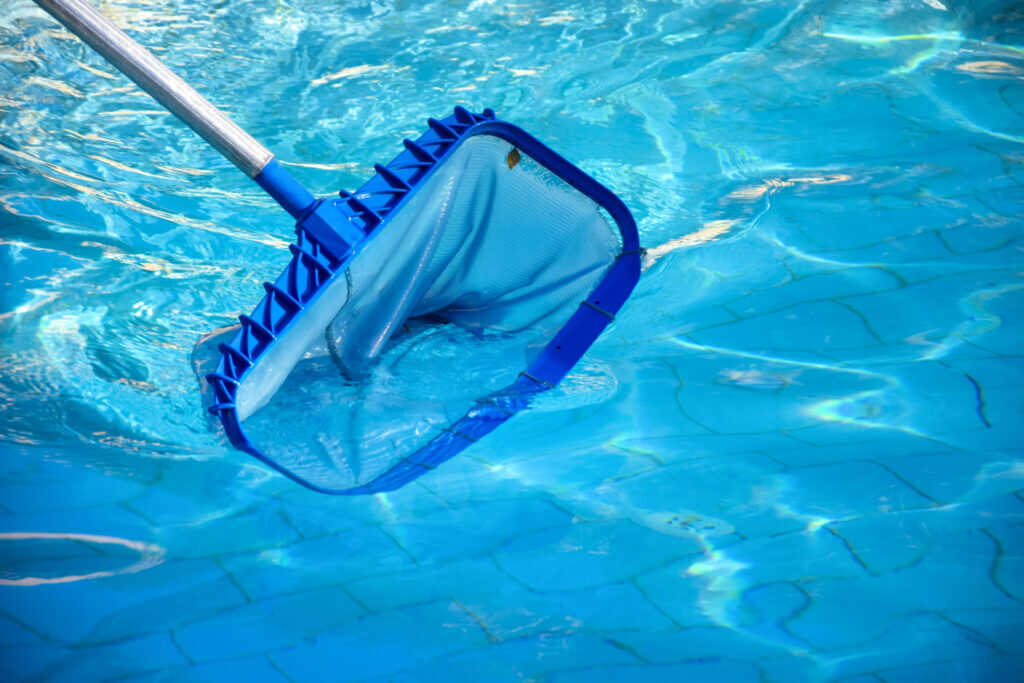
Climate change is leading to unpredictable weather patterns, including increased rainfall and more severe storms. Heavy downpours can quickly introduce debris, leaves, and contaminants into pools, requiring immediate action to prevent contamination. This makes regular skimming and filtration crucial, especially following a storm.
Moreover, the potential for flooding can lead to significant pool maintenance challenges. Pool owners should be proactive in managing water levels and ensuring proper drainage around their pools. Installing additional drainage systems or investing in pool covers can be effective strategies to minimize storm-related debris and water influx.
Furthermore, it is essential to consider the implications of stormwater runoff. Rain can wash chemicals, fertilizers, and pollutants into the pool, which can disrupt the chemical balance and increase the risk of algae growth. Owners may need to enhance their filtration systems and consider using eco-friendly cleaning solutions to maintain water quality while mitigating the environmental impact.
The Role of Seasonal Variability
As climate patterns shift, seasonal variability is becoming more pronounced, leading to unusual temperature fluctuations. Pools that were once maintained with a straightforward seasonal schedule may now require more frequent adjustments. For example, unseasonably warm spells in winter can prompt algae growth and necessitate early opening and additional treatments.
In areas where winters used to be harsh, the transition to milder winters may also lead to prolonged swimming seasons but with unique challenges. Owners may find themselves needing to perform maintenance tasks typically reserved for summer months, such as shocking the pool or adjusting chemical levels. A flexible maintenance schedule becomes vital to address these irregularities effectively.
Moreover, adapting to seasonal changes may involve rethinking the types of pool covers and heaters used. Investing in covers that provide better insulation can help manage temperature fluctuations and maintain water quality during off-seasons. Similarly, efficient heating systems can ensure comfortable swimming conditions even during unexpected warm spells.
Incorporating Eco-Friendly Practices
In light of changing climate patterns, incorporating eco-friendly practices into pool care is increasingly important. As water conservation becomes a priority, pool owners should look for strategies to minimize water loss and chemical use. For example, using covers when the pool is not in use can significantly reduce evaporation and help maintain temperature.
Additionally, selecting energy-efficient pumps and heaters can reduce the overall environmental impact of pool maintenance. These systems consume less energy and can lead to lower utility bills, making them a financially viable option for many pool owners. Furthermore, opting for natural chlorine alternatives can help maintain water quality without introducing harsh chemicals.
Another eco-friendly practice involves landscaping around the pool area. Implementing native plants and drought-resistant landscaping can reduce the need for chemical fertilizers and pesticides, minimizing the potential for runoff contamination. This creates a healthier environment for both pool owners and the surrounding ecosystem.
Emphasizing Preventive Maintenance
With the increasing unpredictability of climate patterns, preventive maintenance is more crucial than ever. Regularly scheduled maintenance checks can help identify potential issues before they escalate into costly repairs. Pool owners should prioritize routine inspections that include checking for leaks, ensuring proper water levels, and monitoring equipment performance.
Engaging a professional pool service can also be beneficial in implementing a preventive maintenance plan. Experts can provide valuable insights into climate-specific adjustments that support the longevity of the pool and ensure optimal performance. They can also assist in the installation of advanced monitoring systems that provide alerts for any changes in water quality or equipment function.
Furthermore, maintaining clear communication with service providers about changing climate conditions can lead to optimized care strategies tailored specifically to local weather patterns. Pool owners should not hesitate to discuss these aspects with their service professionals to align their maintenance practices with current climate realities.
Educating Pool Owners: Resources and Training
As climate patterns evolve, it is essential for pool owners to stay informed about best practices and new technologies in pool maintenance. Online resources, workshops, and training sessions can provide valuable insights into adapting to these changes effectively. Pool service companies often offer educational materials or seminars to help clients understand the impacts of climate change and share preventive measures.
Additionally, homeowners can benefit from connecting with local pool care communities or forums where they can share experiences and learn from one another. Engaging with local experts can also provide tailored insights based on regional climate trends and challenges.
Keeping abreast of the latest innovations in pool technology, such as advanced filtration systems and automated cleaning devices, can further enhance maintenance efforts. By prioritizing education and staying connected with industry trends, pool owners can better navigate the challenges posed by climate change.
Conclusion
As climate patterns continue to shift, the requirements for effective pool care are undoubtedly changing. Pool owners and service professionals must adapt their maintenance practices to account for rising temperatures, increased rainfall, and greater seasonal variability. By embracing eco-friendly practices, emphasizing preventive maintenance, and staying informed, pool owners can ensure their pools remain clean, safe, and enjoyable.
Incorporating these strategies not only addresses current challenges but also positions pool owners to thrive in an evolving climate. For those considering the purchase of a pool route or seeking further guidance on managing pool maintenance effectively, resources are readily available. Visit [Pool Routes for Sale](https://pool-routes-for-sale.com/) to explore opportunities and ensure a successful venture in the pool maintenance industry.