How Local Climate Trends Shape Long-Term Pool Care Needs
Understanding how local climate trends affect pool care is essential for pool owners and service professionals alike. As weather patterns evolve, so too do the requirements for maintaining a safe and enjoyable swimming environment. This article delves into the specific climate variables that impact pool maintenance, providing readers with practical insights and best practices for adapting their pool care routines to ensure longevity and efficiency. From the scorching sun of the southern states to the freezing winters of the north, we’ll explore how climate dictates the needs of pool ownership and how to effectively respond to these challenges.
Climate is not just a backdrop for our lives; it plays a crucial role in dictating how we care for our swimming pools. In regions with warm, sunny weather, pools may face issues such as algae growth due to increased sunlight and temperatures. Conversely, colder climates can lead to concerns about freezing pipes and the need for winterization. Understanding these factors allows pool owners to tailor their maintenance strategies effectively.
In this blog post, we will examine the various elements of climate that influence pool care, including temperature fluctuations, precipitation patterns, and humidity levels. We’ll provide concrete examples and actionable tips that will empower pool owners to take ownership of their maintenance routines, ensuring their pools remain inviting and safe for years to come.
The Impact of Temperature on Pool Care
Temperature is perhaps the most significant climate factor affecting pool care. In warmer climates, such as Florida and Texas, elevated temperatures can lead to rapid evaporation and increased chemical demand. For instance, pools can lose several inches of water due to evaporation during the peak summer months. This necessitates more frequent refilling and careful monitoring of water levels to maintain proper chemistry.
To combat the effects of high temperatures, pool owners should consider employing pool covers during the hottest months. Covers not only reduce evaporation but also help maintain water temperature and reduce the need for excessive heating. Additionally, adjusting the pool’s chemical balance can counteract the faster degradation of sanitizers. Regular testing of water chemistry is vital in warmer climates to ensure that swimming conditions remain safe and pleasant.
On the other hand, in colder regions where temperatures can plummet, pool maintenance strategies must shift dramatically. Winterization becomes essential for preventing damage from freezing temperatures. This process includes draining water from the pool lines, adding antifreeze, and installing a winter cover to protect the pool from debris. Understanding the local climate’s coldest months and preparing for them can prevent costly repairs and extend the life of the pool.
The Role of Precipitation in Pool Maintenance
Precipitation, whether in the form of rain or snow, can significantly affect pool care routines. In areas with heavy rainfall, pool owners may find that their water chemistry becomes unbalanced due to dilution from rainwater. Acidic rain can lower the pH level, leading to potential corrosion of pool surfaces and equipment.
To mitigate the effects of rain on pool chemistry, pool owners should regularly test their water and adjust the chemical levels accordingly. Maintaining a proper balance of stabilizers can also help counteract the effects of dilution. Additionally, installing a rainwater management system can help reduce the amount of runoff entering the pool area, which can introduce contaminants and debris.
In snowy climates, the accumulation of snow on pool covers can pose risks to both the cover and the pool itself. Heavy snow should be removed regularly to prevent damage to the cover and to keep the pool clean. In some cases, it may be beneficial to install a solid winter cover that can withstand the weight of snow while remaining easy to manage.
Humidity Levels and Their Influence on Pools
Humidity plays a critical role in pool maintenance, particularly in regions with high moisture levels. Elevated humidity can lead to increased algae growth, creating unsightly and potentially hazardous conditions for swimmers. In humid environments, it’s essential to maintain proper circulation and filtration to prevent stagnation and the subsequent growth of algae.
Installing dehumidifiers in pool enclosures can help control moisture levels, reducing the risk of mold and mildew, which can affect not only the pool’s integrity but also the surrounding areas. Regular vacuuming and brushing of pool surfaces are also recommended to discourage algae buildup and maintain a clean swimming environment.
In contrast, low humidity can lead to more rapid evaporation and increased chemical usage. Pool owners in these areas should consider the use of pool covers and regularly monitor water levels. Additionally, investing in plants or landscaping features that promote moisture retention near the pool area can be an effective way to combat evaporation.
Tailoring Pool Care to Local Conditions
Every climate presents unique challenges, and understanding local conditions is key to successful pool maintenance. For instance, pool service professionals in coastal areas must contend with saltwater exposure, which can corrode metal fittings and surfaces. In these situations, using appropriate materials and applying protective coatings can prolong the life of pool features.
Moreover, areas prone to wildfires, such as parts of California, require careful attention to pool maintenance practices. Keeping the pool area clean from debris and having a fire-resistant cover can safeguard the pool during fire season. Pool owners should also ensure that their water levels are sufficient to maintain a barrier against heat and embers.
In places with rapid climate fluctuations, such as the Midwest, pool owners must be proactive in adapting their maintenance routines. This may involve winterizing the pool earlier in the season and monitoring it closely during the spring thaw to address any potential issues quickly. Local climate knowledge can inform essential decisions about when to clean, chemically treat, and cover the pool.
Best Practices for Long-Term Pool Care
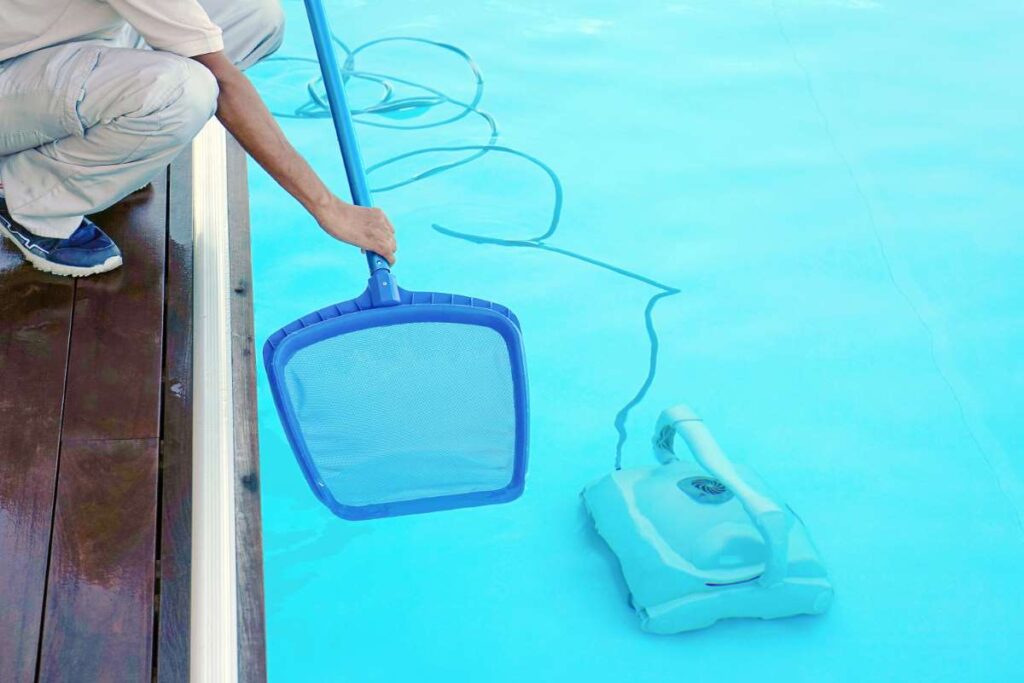
To ensure that pools remain in optimal condition regardless of climate, following best practices for maintenance is crucial. Regular cleaning and chemical balancing are fundamental to sustaining water quality. Pool owners should establish a routine that includes skimming debris, vacuuming the pool floor, and checking chemical levels weekly or bi-weekly, depending on local conditions.
Investing in quality equipment and technology can also enhance pool care. Automated pool cleaners, advanced filtration systems, and smart monitoring technologies can simplify upkeep and improve efficiency. Understanding how local climate factors affect equipment performance can inform purchasing decisions and lead to better long-term investments.
Additionally, engaging with local pool care professionals for guidance on climate-specific practices can provide invaluable insights. Professionals can offer tailored advice based on their experiences and knowledge of the local environment. Their expertise can help pool owners navigate the complexities of pool maintenance and avoid common pitfalls.
Conclusion
As we’ve explored, local climate trends have a profound impact on long-term pool care needs. By recognizing how temperature, precipitation, and humidity influence pool maintenance, owners can develop effective strategies tailored to their unique environments. Whether you are based in sunny Florida or snowy Texas, understanding and adapting to these climate factors is essential for maintaining a beautiful and functional swimming pool.
Incorporating the best practices and insights discussed in this article will empower you to take control of your pool maintenance journey. For those considering expanding their involvement in the pool industry, exploring [Pool Routes for Sale](https://pool-routes-for-sale.com/) can be a lucrative avenue for immediate revenue and future growth. Contact Tower Business Brokers today to learn more about how you can secure your investment in a thriving pool service business.