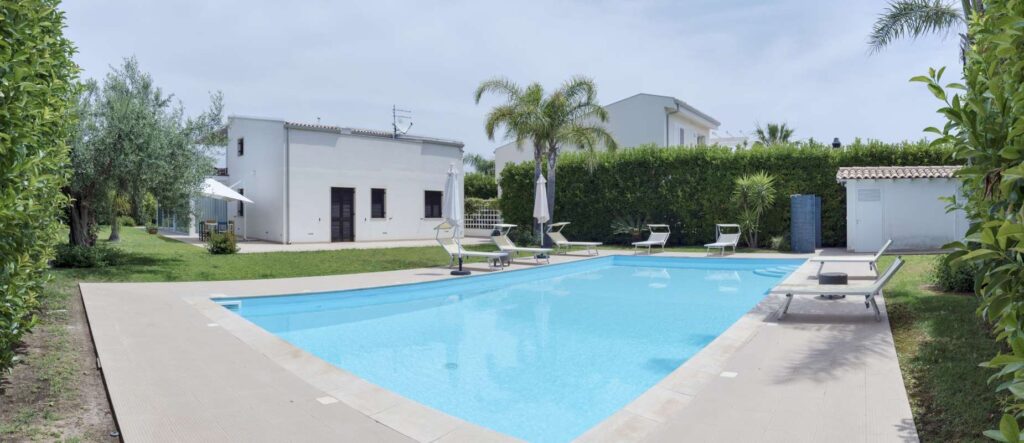
Explore the intriguing differences in pool ownership patterns between East and West Coast cities in the United States, uncovering trends, preferences, and market insights.
How Pool Ownership Patterns Differ Between East and West Coast Cities
The dynamics of pool ownership in America reveal a fascinating contrast between the East and West Coasts. As summer temperatures rise, both regions showcase varying preferences and behaviors when it comes to pool ownership. Factors such as climate, culture, and economic conditions significantly influence these differences. In this blog post, we will delve into these contrasting patterns, examining how they manifest in cities like Miami, New York, Los Angeles, and San Francisco.
From the types of pools preferred to the reasons for ownership, understanding these dynamics can provide valuable insights for potential pool service entrepreneurs and investors contemplating a dive into the lucrative pool maintenance industry.
Climate and Its Impact on Pool Ownership
The East Coast experiences a humid subtropical climate in many areas, while the West Coast tends toward a Mediterranean climate. This climatic difference leads to distinct patterns in pool ownership. In cities like Miami, Florida, the warm weather encourages a higher prevalence of residential pools. Homeowners in Miami prioritize outdoor leisure activities, with pools serving as a central feature of outdoor living spaces.
Conversely, cities such as New York face harsh winters which often deter potential pool owners. The demand for pools is lower, leading to a greater emphasis on indoor recreational facilities during colder months. According to a recent survey, nearly 70% of pool owners in Miami report using their pools year-round, while in New York, only about 30% of homeowners express interest in pool ownership due to seasonal limitations.
Economic Factors Influencing Pool Investment
Economic conditions directly affect homeowners’ decisions regarding pool investments on both coasts. In affluent areas of California, such as Los Angeles and San Francisco, pool ownership is often seen as a symbol of status and luxury. These cities boast a higher average income, allowing residents to invest in elaborate pools, often featuring advanced heating systems, waterfalls, and integrated spas.
In contrast, East Coast cities like Philadelphia and Boston showcase a more pragmatic approach. While there are regions where pool ownership is popular, many homeowners opt for simpler, more budget-friendly above-ground pools or smaller in-ground models. The focus here is often on practicality rather than luxury, with many homeowners considering pools as an accessory rather than a primary feature of their properties.
Cultural Influences on Pool Preferences
Cultural differences play a significant role in pool ownership patterns. In the West, particularly in California, there is a strong emphasis on outdoor lifestyles and wellness trends. This has led to an increase in the popularity of eco-friendly pools, such as those utilizing natural filtration systems. Homeowners seek to create serene outdoor spaces that enhance their quality of life.
On the East Coast, cultural preferences lean toward traditional aesthetics. In cities like Miami, vibrant pool designs often incorporate tropical themes, and homeowners favor expansive infinity pools that blend seamlessly with the landscape. The choice of pool styles reflects the cultural identity of each region, with Californians often favoring modern, minimalist designs, while East Coast homeowners gravitate towards classic, ornate structures.
Seasonal Usage Patterns
The frequency of pool usage varies significantly between the two coasts, influenced by local climates and cultural attitudes. In warmer regions like Miami, pools are a primary summer attraction, with families hosting barbecues and gatherings around them. Homeowners often invest in pool maintenance services that ensure their pools are always ready for spontaneous gatherings.
In contrast, in cities like New York, pool usage is limited to a few months during the summer. This restriction often leads to a more significant investment in indoor recreational spaces, such as gyms or community centers with pool facilities. Thus, seasonal usage patterns dictate not only the appeal of pool ownership but also the type of services that pool maintenance companies should focus on in these regions.
Marketing Strategies for Pool Services
Understanding these ownership patterns is crucial for pool service businesses aiming to thrive in these markets. In California, marketing should emphasize luxury and lifestyle, showcasing high-end materials and innovative designs. Potential clients may respond well to advertisements featuring serene pool settings paired with outdoor living spaces that inspire relaxation and wellness.
On the other hand, East Coast pool services might benefit from highlighting cost-effective maintenance plans and the practicality of pool ownership. Marketing strategies could focus on the family-friendly aspects of pool ownership, emphasizing the ability to create lasting memories during the summer months. By tailoring messaging to the preferences of each region, businesses can effectively engage their target audiences.
Opportunities for Pool Business Growth
The pool maintenance industry is experiencing growth across the United States, and understanding regional differences can create unique opportunities. With the booming real estate market in Florida and Texas, where pool ownership is prevalent, the demand for reliable pool service is surging. Entrepreneurs can explore [pool routes for sale](https://pool-routes-for-sale.com/) in these regions, giving them immediate access to established customer bases, allowing for swift revenue generation.
Similarly, in East Coast cities where pools are less common, there is an opportunity for service businesses to educate homeowners on the benefits and potential of investing in pool ownership. By conducting informative workshops or community events, pool service professionals can increase awareness and interest, creating a fertile ground for new pool installations and maintenance services.
Conclusion: Understanding Regional Differences for Success
In summary, the patterns of pool ownership between East and West Coast cities in the United States reflect a complex interplay of climate, economic factors, cultural influences, and seasonal usage. As potential pool service entrepreneurs consider entering this growing industry, understanding these differences is essential for tailoring their services and marketing strategies effectively.
The opportunities for growth in this sector are plentiful, with regions like Florida and Texas offering particularly favorable conditions for immediate revenue generation through [pool routes for sale](https://pool-routes-for-sale.com/). By remaining attuned to regional preferences and trends, pool service professionals can create impactful business strategies that resonate with their target customers.
Contact us today at Tower Business Brokers, Inc. to explore your options for diving into the pool service industry and find the perfect pool route for your business needs!