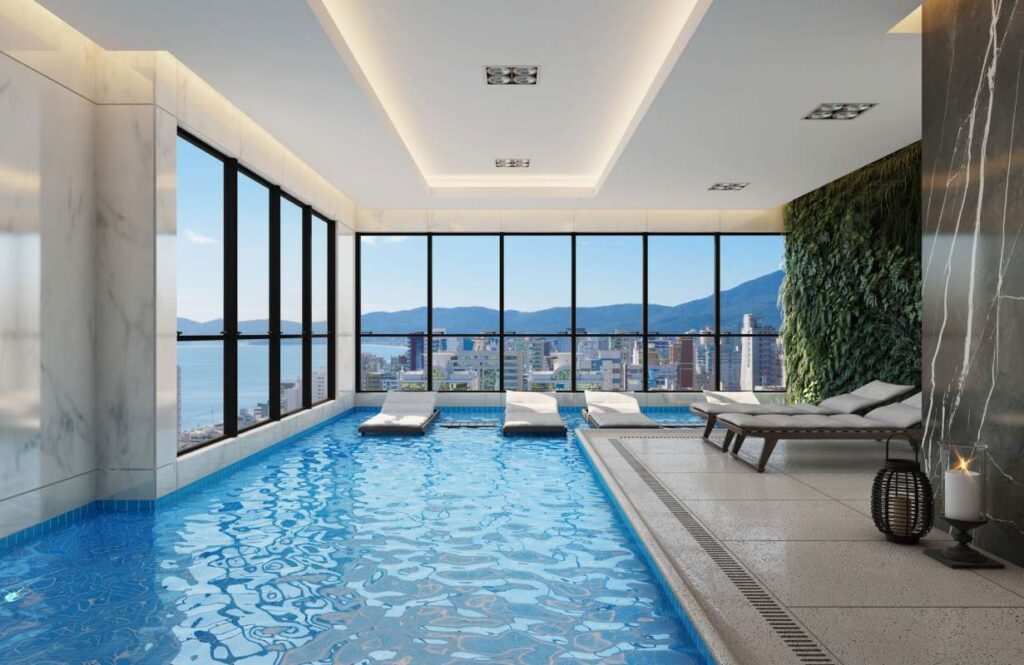
Discover why gym and exercise pools require specialized care to maintain their unique environments and ensure optimal functionality for users.
Why Gym and Exercise Pools Need Unique Care
Gym and exercise pools play a critical role in fitness facilities, serving as centers for rehabilitation, relaxation, and competitive training. Unlike standard residential pools, these facilities face unique challenges that necessitate specialized care and maintenance. This article delves into the distinct needs of gym and exercise pools, highlighting why they require tailored care, the implications of inadequate maintenance, and best practices for ensuring their longevity and functionality. We will explore the technical aspects of pool maintenance, the importance of water quality, and the need for regular inspections, aiming to provide readers with a comprehensive understanding of how to properly care for these vital assets.
Incorporating a gym or exercise pool into a fitness facility not only enhances the overall service offering but also necessitates a commitment to maintaining a safe and effective environment for all users. The type of maintenance these pools require is influenced by their heavy use, specific chemical balances, and structural considerations. Understanding these factors is crucial for gym owners and managers who wish to ensure that their pools remain an asset rather than a liability.
Understanding the Unique Requirements of Gym Pools
Gym and exercise pools differ significantly from traditional swimming pools in several ways. One of the most notable distinctions is their intended use, which often includes high-intensity workouts, therapeutic exercises, and swim training. Consequently, these pools are subject to higher levels of contamination due to sweat, lotions, and other substances introduced by users. This necessitates a more rigorous cleaning regimen and frequent water quality checks.
A primary concern for gym pools is maintaining balanced water chemistry. Proper pH levels, alkalinity, and sanitization are vital to prevent issues such as skin irritation and algae growth. For instance, the optimal pH levels for pool water should range between 7.2 and 7.8 to ensure user safety and comfort. Regular testing and adjustments are needed to keep these levels in check, particularly after busy periods of use.
Additionally, gym pools often utilize different filtration systems compared to residential pools. These systems must be robust enough to handle the increased debris and contaminants, requiring more frequent inspections and maintenance to ensure proper functioning. Without the appropriate filtration and circulation, water quality can deteriorate rapidly, posing health risks to users and potentially leading to costly repairs or even shutdowns.
The Importance of Water Quality Management
Water quality management in gym and exercise pools is a critical aspect of maintenance that cannot be overlooked. Regular monitoring of water quality parameters, including chlorine levels, pH, and turbidity, is essential for preventing health hazards. Inadequate water treatment can lead to the proliferation of bacteria and other pathogens, resulting in outbreaks of illnesses such as recreational water illnesses (RWIs), which can severely impact the facility’s reputation and business.
Moreover, gym pools often cater to individuals with specific needs, such as rehabilitation patients or athletes in training. Maintaining optimal water quality is crucial for these users, as any discomfort or health issues can hinder their progress or recovery. Implementing advanced water treatment technologies, such as UV sanitation or ozone systems, can enhance water quality and minimize chemical usage while effectively eliminating harmful pathogens.
Regularly scheduled water quality assessments, ideally performed by certified professionals, can help identify potential issues before they escalate. Facilities should maintain thorough records of water tests and treatments to ensure compliance with health and safety regulations, thereby safeguarding their users and avoiding potential liabilities.
Regular Inspections and Maintenance Practices
Regular inspections are paramount for maintaining the integrity of gym and exercise pools. These inspections should encompass both the water quality and the physical structure of the pool itself. Common maintenance tasks include checking pool surfaces for cracks or wear, inspecting pool equipment such as pumps and heaters, and ensuring that safety equipment is readily available and functioning properly.
In addition to routine maintenance, facility managers should develop a proactive maintenance schedule that addresses potential issues before they become significant problems. This could involve seasonal deep cleaning, inspections of the pool deck, and timely repairs to equipment and infrastructure. By investing in preventive maintenance, gym owners can extend the life of their pools and minimize unexpected downtime.
Furthermore, facility staff should be trained in basic maintenance procedures and safety protocols. This creates a culture of safety and accountability, ensuring that all team members contribute to the upkeep of the gym pool environment. Regular training sessions can provide staff with updated knowledge on best practices in pool care, including emergency response actions in case of accidents or equipment failure.
Best Practices for Ensuring Longevity
Establishing best practices for gym and exercise pool maintenance can significantly enhance their longevity and usability. Here are some key practices to consider:
- Schedule Regular Water Testing: Daily testing of water quality parameters should be standard practice, with comprehensive assessments performed weekly or monthly.
- Maintain Proper Filtration: Ensure that filtration systems are appropriate for the pool’s usage levels and are cleaned or replaced as recommended by the manufacturer.
- Educate Users: Implement user guidelines that promote hygiene practices, such as showering before pool use and avoiding pool use when ill.
- Invest in Quality Equipment: Utilize high-quality pool maintenance equipment and technology to streamline cleaning and monitoring processes.
- Conduct Safety Drills: Regularly practice emergency procedures with staff to ensure preparedness in case of accidents or incidents.
By adhering to these best practices, gym owners can create a safe, clean, and enjoyable environment that encourages regular use of the pool facilities. This not only benefits users but also enhances the facility’s reputation, leading to increased membership and customer satisfaction.
Specialized Training for Maintenance Staff
Proper training for maintenance staff is essential to ensure that gym and exercise pools are cared for effectively. Facilities should consider providing specialized training programs that focus on pool care, water chemistry, and emergency response. This training should cover the unique challenges posed by high-use environments and equip staff with the necessary skills to address them.
Moreover, certification programs can enhance staff knowledge in areas such as water treatment technologies, pool safety regulations, and equipment maintenance. Facilities that prioritize staff training are better positioned to maintain high standards of safety and care, ultimately leading to a more successful operation.
Maintaining well-trained staff also fosters a sense of responsibility and pride in their work, contributing to a positive workplace culture. This can lead to reduced turnover rates and a more experienced team capable of handling the demands of gym pool maintenance.
Conclusion
In conclusion, gym and exercise pools require unique care due to their specific usage patterns and the demands placed on them. Understanding the importance of water quality management, regular inspections, and specialized staff training is crucial for ensuring that these pools remain safe, clean, and functional.
By investing in tailored maintenance strategies and adhering to best practices, gym owners can create environments that not only meet user needs but also promote long-term sustainability and profitability. The growing pool maintenance industry offers significant opportunities for entrepreneurs and investors, and recognizing the importance of specialized care for gym and exercise pools is the first step towards success.
For those considering entering the pool service market, services like [Pool Routes for Sale](https://pool-routes-for-sale.com/) provide valuable insights into profitable opportunities within this thriving sector. By aligning with expert brokers and leveraging established customer bases, aspiring pool service entrepreneurs can navigate the complexities of the industry while ensuring their ventures are built on solid foundations.