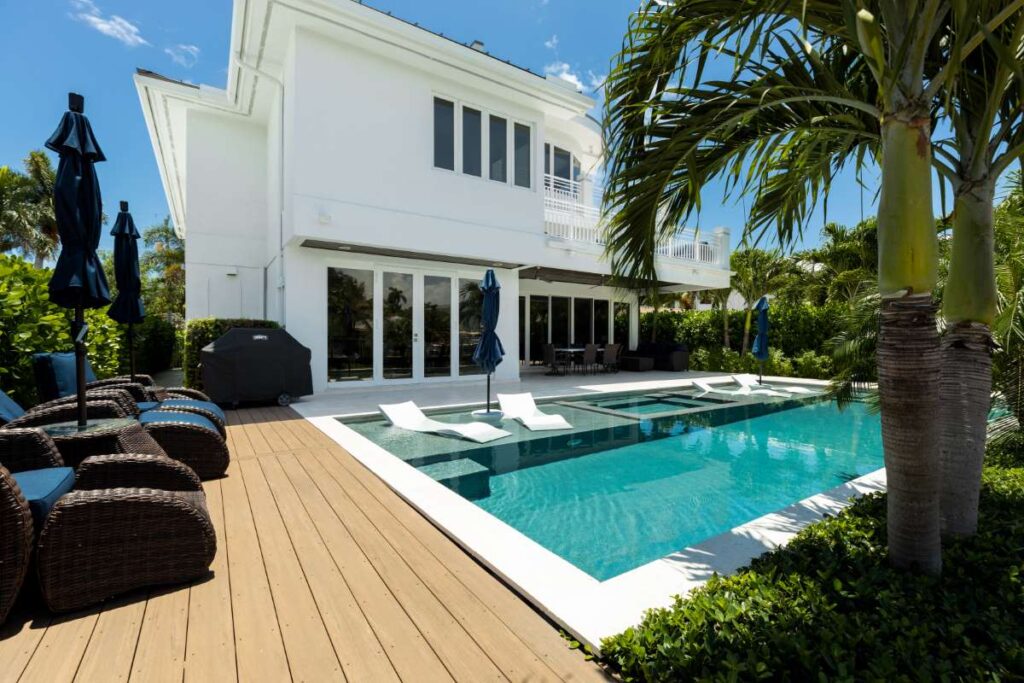
Why does surface roughness significantly contribute to increased algae growth in aquatic environments? Explore the intricate relationship between surface textures and algal proliferation in this in-depth article.
Why Surface Roughness Increases Algae Growth
The growth of algae in aquatic ecosystems is a topic of growing concern, particularly as more recreational bodies of water are utilized for swimming, fishing, and other activities. Among the many factors that influence algal growth, surface roughness stands out as a critical element. In this blog post, we will delve into the mechanics of how surface texture affects algae proliferation, the implications for water quality, and practical strategies for managing algae in various settings.
Algae are simple photosynthetic organisms that can range from microscopic phytoplankton to larger filamentous forms. Their growth is influenced by various environmental factors, including light, temperature, nutrient availability, and surface characteristics. It is essential to understand the role that surface roughness plays in this dynamic, as it can significantly impact the health of aquatic ecosystems.
Surface roughness refers to the texture of a surface, which can vary from smooth to highly irregular. In aquatic environments, surfaces such as rocks, artificial substrates, and even the walls of swimming pools can exhibit different levels of roughness. This variation affects how algae attach, grow, and compete with other microorganisms. As we explore the relationship between roughness and algal growth, we will uncover the underlying biological processes at work and identify methods to mitigate excessive algal blooms.
The Role of Surface Roughness in Algae Attachment
One of the primary ways that surface roughness influences algal growth is through its impact on algae attachment. Algae require a surface to anchor themselves, and rougher surfaces provide more opportunities for attachment due to increased surface area and microhabitats. Studies have shown that algae can adhere more readily to rough surfaces compared to smooth ones. This phenomenon is not merely a preference; it is a biological necessity.
For example, in freshwater environments, benthic algae often colonize rocky substrates where surface irregularities create small niches that trap nutrients and moisture. These areas also provide shelter from grazing by herbivores, allowing algal populations to thrive. In contrast, on smooth surfaces, the lack of attachment points can limit algal growth, making such environments less hospitable.
Furthermore, rough surfaces can retain organic matter and sediment, which serve as nutrient sources for algae. When organic material decomposes, it releases nutrients like nitrogen and phosphorus into the water, fostering an ideal environment for algal blooms. This relationship highlights the importance of considering surface roughness when managing water bodies for recreational or ecological purposes.
Surface Roughness, Light Penetration, and Algal Growth
Another critical aspect of surface roughness that affects algal growth is its impact on light penetration. Algae require sunlight for photosynthesis, and the roughness of a surface can influence how light interacts with that surface. In many cases, rough surfaces can diffuse light more effectively than smooth ones, allowing for greater light availability across various depths of water.
This phenomenon can lead to increased photosynthetic activity among the algae that inhabit these surfaces. For instance, in shallow water bodies with roughened substrates, the diffusion of light can promote a more extensive and diverse algal community, as different species thrive at varying light levels. In contrast, algae growing on smooth surfaces may face limitations in light availability, stifling their growth potential.
Research has indicated that algal blooms often correlate with specific light conditions created by the environmental structure. As such, understanding the implications of surface roughness on light penetration can aid in predicting algal growth patterns and managing water quality effectively.
Nutrient Dynamics and Surface Textures
The interplay between nutrient availability and surface roughness is another key factor in algae proliferation. Rough surfaces tend to accumulate organic matter and fine particles more effectively than smooth surfaces, creating a nutrient-rich environment conducive to algal growth. The presence of organic debris provides a steady supply of essential nutrients that stimulate algal blooms.
In environments where human activity introduces additional nutrients, such as agricultural runoff or wastewater discharge, the effects of surface roughness become even more pronounced. For instance, pools that have uneven surfaces or textured walls may trap nutrients more effectively, leading to accelerated algal growth compared to pools with smooth walls.
Understanding how nutrients interact with various surfaces is crucial for managing algae in both natural and artificial water bodies. Effective management strategies may involve altering surface characteristics to reduce nutrient retention and minimize algal growth, especially in areas prone to nutrient overload.
Case Studies: Real-World Implications of Surface Roughness on Algae Growth
To illustrate the practical implications of surface roughness in promoting algal growth, consider the case of a community swimming pool that experienced persistent algal blooms. Despite regular maintenance and chlorination, algae thrived on the textured surfaces of the pool’s walls. An analysis revealed that the rough surface texture allowed algae to attach and flourish despite the chemical treatments.
After consulting with experts, the pool management team opted to smooth out the surfaces using a specialized coating designed to inhibit algae growth. Following this intervention, the pool experienced a significant reduction in algal blooms, demonstrating the potential for surface management in controlling algae.
In natural water bodies, similar patterns can be observed. Lakes and ponds with rocky bottoms often display higher levels of algal growth compared to those with sandy or smooth substrates. Strategies to manage these environments may include mechanical removal of rough substrates or targeted application of treatments designed to alter surface characteristics, thus hindering algae attachment.
Practical Applications for Managing Algal Growth
As we have seen, surface roughness plays a pivotal role in algal growth, presenting unique challenges for water management. However, understanding this relationship enables the development of effective strategies to mitigate negative outcomes. Here are some practical applications for managing algal growth in different environments:
- Surface Treatments: Applying smooth coatings to surfaces in artificial environments, such as pools, can reduce algae attachment and growth.
- Regular Maintenance: Frequent cleaning and maintenance of surfaces can disrupt algal colonies and prevent bloom formation.
- Nutrient Management: Implementing best practices for nutrient runoff management, such as buffer zones in agricultural areas, can reduce nutrient loads entering water bodies.
- Public Education: Informing the community about the impacts of nutrient inputs and promoting responsible practices can help in managing local water bodies.
- Monitoring and Research: Ongoing research into the effects of surface roughness on algal growth can guide future strategies and maintenance routines.
Conclusion
Surface roughness is a vital factor influencing algae growth in aquatic environments. By affecting algae attachment, light penetration, and nutrient dynamics, the texture of surfaces can either promote or hinder algal blooms. Understanding this relationship not only helps in managing water quality but also empowers stakeholders to adopt effective strategies for mitigating unwanted algae in pools and natural water bodies.
As we continue to explore the complexities of aquatic ecosystems, the importance of surface management becomes clear. By addressing surface roughness and its implications, we can work towards healthier, cleaner water environments that benefit both recreational users and aquatic life. For more information on water management and technologies to inhibit algae growth, consider reaching out to experts in the field.