The effects of sudden temperature drops on saltwater systems can significantly impact pool maintenance. Understanding the science behind it is essential for pool owners.
Why Sudden Temperature Drops Impact Salt System Output
Saltwater pools are a popular choice for many homeowners due to their lower chlorine levels and softer feel. However, one of the most critical aspects of maintaining a saltwater pool is understanding how environmental changes affect its performance. Sudden temperature drops can lead to a variety of issues that impact both the functionality of the salt chlorine generator and the overall health of the pool. In this blog post, we will explore the science behind these temperature fluctuations and their effects on salt systems, provide insights into how to mitigate these impacts, and offer practical tips for pool maintenance during colder weather.
Maintaining a pool is not just about keeping the water clean and clear; it’s also about ensuring that the chemical balance is correct. Saltwater pools rely on salt chlorine generators to convert salt into chlorine, which helps sanitize the water. When the temperature drops suddenly, it can cause several reactions in the water chemistry that can affect the chlorine output.
Understanding this phenomenon is crucial for pool owners, especially as temperatures can fluctuate in various regions. Let’s dive deeper into how sudden temperature drops affect your salt system and what you can do to manage these changes effectively.
The Chemistry of Saltwater Pools
Saltwater pools work by using a salt chlorine generator that converts dissolved salt into chlorine through a process called electrolysis. This process is not only efficient but also ensures a constant supply of chlorine without the need for traditional chlorine tablets. However, this system is sensitive to temperature changes.
When temperatures drop, particularly below 60°F (15°C), the efficiency of the salt chlorine generator decreases. Cold water holds more dissolved gas, which can interfere with the electrolysis process, leading to lower chlorine production. In fact, studies have shown that chlorine production can drop significantly when temperatures dip, with some systems producing up to 50% less chlorine during colder months.
This drop in chlorine output can result in inadequate sanitation, leading to cloudy water, algae growth, and other water chemistry problems. Therefore, monitoring the water temperature and chlorine levels becomes essential during the winter months.
Effects on Pool Water Chemistry
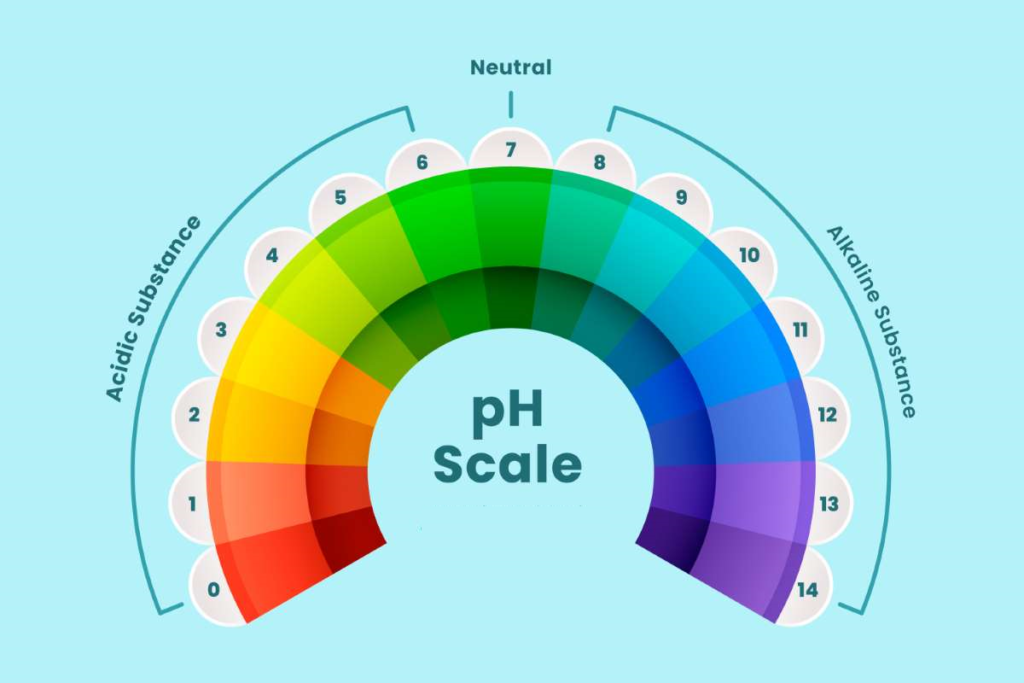
Beyond reduced chlorine production, sudden temperature drops can also affect other aspects of pool chemistry, including pH levels and alkalinity. Cold water tends to have a lower pH, which can lead to increased acidity in the pool. This acidity can cause damage to pool equipment and surfaces over time.
Additionally, alkalinity can also be affected. When temperatures drop, the ability of the water to buffer against pH changes diminishes, which can lead to more significant fluctuations in pH levels. Maintaining proper alkalinity becomes essential for ensuring stable water chemistry.
In some cases, pool owners may need to adjust their chemical treatments during colder weather to counteract these changes. Regular testing and adjustments are vital to maintaining a balanced pool environment.
Practical Tips for Managing Salt System Output During Cold Weather
To ensure that your saltwater pool continues to function effectively during sudden temperature drops, consider the following practical tips:
- Monitor Water Temperature: Regularly check the water temperature and be aware of the outdoor conditions. If sudden drops are expected, take preventive measures.
- Adjust Chlorine Output: Increase the output setting on your salt chlorine generator during colder months to compensate for reduced chlorine production.
- Test Water Chemistry Frequently: Increased testing frequency will help you catch any imbalances early. Focus on pH, alkalinity, and chlorine levels.
- Consider Pool Covers: Using a thermal pool cover can help maintain water temperature, reducing the impact of cold weather on the salt system.
By implementing these strategies, pool owners can better manage their salt systems during colder temperatures and maintain a healthy pool environment.
The Importance of Regular Maintenance
Regular maintenance is crucial for the longevity and efficiency of your salt chlorine generator. This includes periodic cleaning of the generator cell, which can become coated with calcium deposits over time. These deposits not only hinder chlorine production but can also lead to equipment failure if not addressed.
During winter months, check the generator’s cell and clean it if necessary. Additionally, ensuring that the salt levels are adequate is vital. Saltwater systems require a certain salinity level to function correctly, and cold temperatures can alter the concentration due to evaporation and precipitation.
Moreover, maintaining your pool filter and ensuring it is free of debris will enhance the overall efficiency of your salt system, particularly during seasons with fluctuating temperatures.
Adapting to Regional Climate Variations
Understanding how regional climates influence salt system output can also help pool owners better prepare for seasonal challenges. For instance, areas that experience drastic temperature swings, such as parts of Florida and Texas, may require more frequent monitoring and adjustments than regions with milder climates.
In Florida, where winter temperatures can occasionally drop unexpectedly, pool owners should be proactive by investing in quality thermal covers and considering online monitoring systems that track water chemistry and temperature remotely. Meanwhile, in Texas, where temperatures can fluctuate significantly from day to night, regular inspections of pool systems can prevent potential damage.
Being aware of your local climate patterns and adapting your maintenance strategies accordingly will ensure that your saltwater system remains operational and effective year-round.
Conclusion
In conclusion, understanding the impact of sudden temperature drops on salt system output is essential for effective pool maintenance. These fluctuations can lead to decreased chlorine production and imbalances in water chemistry, which can affect the overall health of your pool.
By implementing best practices such as regular monitoring, adjusting chlorine output, and performing routine maintenance, you can mitigate these effects and maintain a clean and safe swimming environment. As a pool owner, staying informed and proactive will empower you to keep your pool in optimal condition, regardless of the weather.
If you’re looking to explore opportunities in the pool maintenance industry, consider connecting with experts who can assist you in navigating the market. Whether you’re interested in purchasing a pool route for sale or seeking advice on pool service entrepreneurship, [Tower Business Brokers, Inc.](https://pool-routes-for-sale.com/) offers valuable resources and support to help you succeed.