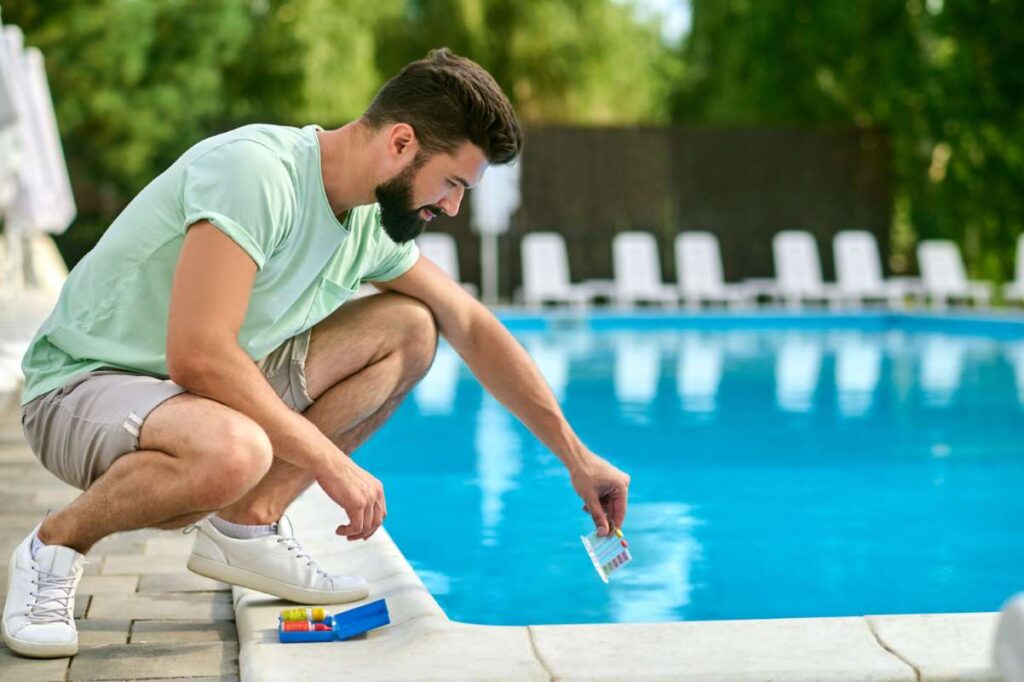
Discover why some cities face unexpected metal staining after storms, and learn how environmental factors and infrastructure play a role in this phenomenon.
Why Some Cities Experience Sudden Metal Staining After Storms
This blog post delves into the intriguing phenomenon of sudden metal staining in cities following storm events. It explores the underlying causes, including environmental and infrastructural factors, and offers practical insights on identifying and addressing such occurrences. With heavy rainfall becoming more common due to climate change, understanding this issue is crucial for urban planning and maintenance.
As urban environments increasingly grapple with the impacts of severe weather, one often-overlooked consequence is the sudden appearance of metal stains on buildings, sidewalks, and roadways. This issue not only detracts from the aesthetic appeal of cities but can also raise concerns about public health and infrastructure integrity. Understanding why these stains occur following storms is essential for city managers, residents, and business owners alike.
In this post, we will discuss the primary causes of sudden metal staining, explore how infrastructure and environmental factors contribute to the issue, and provide practical recommendations for prevention and remediation. We will also look at specific cities that have experienced these phenomena, equipping readers with a broader understanding of how to combat this challenge effectively.
The Causes of Metal Staining After Storms
Metal staining usually results from a combination of rust, mineral deposits, and environmental runoff. When heavy rains occur, they can wash away debris, soil, and other materials that contain metal oxides, such as iron or copper, onto surfaces where they leave unsightly marks. For example, cities with older infrastructure, such as aged water pipes or rusty railings, often see more severe staining after storms.
Moreover, the chemistry of rainwater plays a role in this occurrence. Acid rain—precipitation that has a lower pH due to pollutants—can exacerbate the leaching of metal from surfaces. In urban settings, pollutants from vehicles and industries can combine with rainwater, leading to more aggressive staining. Data suggests that cities with higher pollution levels are more prone to this issue, emphasizing the need for environmental monitoring and infrastructure updates.
Another contributing factor is soil composition. In some areas, the soil may contain high levels of iron or other metals, which can be mobilized during heavy rainfall. Once washed onto surfaces, these metals can oxidize and create visible stains, particularly on light-colored materials. This scenario is commonly seen in cities like New Orleans, where the combination of heavy rains and iron-laden soils often leads to noticeable staining.
Infrastructure’s Role in Metal Staining
The condition of urban infrastructure significantly influences the likelihood of metal staining. Aging water systems, corroding pipes, and poorly maintained buildings can all contribute to the problem. For instance, in cities like Detroit, where lead pipes have been a longstanding concern, heavy storms have been known to wash lead particles into the environment, leading to corrosion stains on nearby surfaces.
Additionally, urban runoff management plays a critical role in how metal contaminants are dispersed. Inadequate drainage systems can lead to pooling water that exacerbates rust and mineral deposits on roads and buildings. Cities that invest in green infrastructure, such as bioswales and permeable pavements, often experience less runoff and consequently reduced metal staining.
Case studies from cities like San Francisco illustrate the importance of infrastructure improvements. Following a significant investment in upgrading drainage systems, the city saw a marked decrease in metal staining attributable to better runoff management. This example highlights how proactive measures can mitigate the impact of storms on urban aesthetics and infrastructure integrity.
Environmental Factors Contributing to Metal Staining
Climate change is increasingly influencing weather patterns, leading to more intense and frequent storms. As precipitation becomes more erratic, cities are challenged to adapt their infrastructure accordingly. The increased intensity of storms results in higher volumes of water flowing through urban areas, which can accelerate the washing away of contaminants.
Moreover, urban heat islands exacerbate these issues. Cities with higher temperatures can create conditions conducive to chemical reactions that promote staining. The interaction of heat, moisture, and pollutants leads to a more aggressive staining process. For example, cities like Phoenix often encounter metal staining due to the combined effects of high temperatures and summer monsoon rains.
Rural areas can also experience metal staining, but the mechanisms often differ. For instance, agricultural runoff containing fertilizers and pesticides can lead to chemical reactions that result in staining on nearby urban surfaces. As such, understanding the interplay between urban and rural environments is essential for addressing this issue comprehensively.
Identifying and Addressing Metal Staining
Identifying metal staining requires a keen eye for detail. Homeowners and city managers should look for discoloration, particularly around drainage systems, water fixtures, and areas with heavy runoff. A visual inspection often provides the first clues to underlying issues. In urban areas, collaboration with environmental engineers can help pinpoint sources and suggest remediation strategies.
Once staining is identified, addressing the issue involves a two-fold approach: remediation and prevention. Remediation may include pressure washing surfaces, using chemical cleaners, or applying sealants to prevent future staining. In the case of corrosion from pipes, replacing or lining old pipes is a more permanent solution.
On the preventive side, cities can implement better stormwater management practices, such as installing green roofs or better drainage systems. Education campaigns aimed at residents can also help raise awareness about the sources of metal staining and encourage proactive maintenance of properties. For instance, homeowners in cities like Tampa have benefited from workshops on proper landscaping techniques to minimize runoff and staining.
Case Studies of Cities Experiencing Metal Staining
Several cities have been notably impacted by sudden metal staining following storms, each presenting unique challenges and responses. In Chicago, a combination of heavy rainfall and aging infrastructure has led to widespread reports of rust stains on public buildings. The city has since initiated a review of its water management systems, focusing on upgrading pipes and enhancing drainage.
In Miami, metal staining has become a common sight after storms due to both high rainfall and the corrosive saltwater environment. The city has responded by collaborating with environmental experts to develop more resilient building materials and improve storm drainage. By investing in sustainable development practices, Miami aims to reduce the incidence of staining in the future.
Alternatively, cities like Seattle have had more success in managing metal staining through proactive urban planning. By integrating green infrastructure and public education campaigns, Seattle has managed to keep metal staining to a minimum, demonstrating the effectiveness of forward-thinking approaches in urban management.
Best Practices for Urban Planning and Maintenance
To mitigate the issue of metal staining, cities should adopt comprehensive urban planning and maintenance strategies. Regular inspections of infrastructure can help identify potential sources of staining before they become serious issues. Investing in modern drainage systems and encouraging the use of sustainable materials can also make a significant difference.
Furthermore, cities should engage in public education initiatives to inform residents about the implications of their landscaping choices on urban runoff. By promoting practices that minimize runoff, such as native plant landscaping and pervious surfaces, cities can significantly reduce the occurrence of metal staining.
Additionally, partnerships with local businesses can help promote awareness and action on this issue. For example, cities could work with hardware stores to provide homeowners with cleaning solutions specifically designed to tackle metal stains. By adopting a collaborative approach, urban managers can encourage community engagement and collective responsibility.
Conclusion
In conclusion, the sudden appearance of metal staining in cities after storms is a multifaceted issue influenced by environmental and infrastructural factors. Understanding the causes and implementing effective management strategies can significantly reduce the visual and practical impacts of this phenomenon.
As climate change continues to alter weather patterns, cities must adapt by investing in better infrastructure and community education. By taking proactive steps, urban areas can not only reduce the incidence of metal staining but enhance their overall aesthetic appeal and public safety.
For those interested in learning more about how to protect and improve urban environments, consider exploring the services offered by Tower Business Brokers, Inc., which focus on maintaining sustainable business practices within the pool maintenance industry. Discover more about relevant strategies and best practices by visiting [Pool Routes for Sale](https://pool-routes-for-sale.com/).