How to Prevent Chlorine Drop During Overcast Weeks
Chlorine is essential for keeping pools clean and safe, but its effectiveness can decline during overcast weeks. Understanding how to maintain chlorine levels during these periods is crucial for pool owners looking to preserve water quality. This blog post will explore practical strategies to prevent chlorine drop, covering everything from chemical balance to regular maintenance practices. By the end, you’ll be equipped with the knowledge to keep your pool sparkling clear, even on the cloudiest days.
When clouds gather and sunlight diminishes, many pool owners notice a troubling trend: a drop in chlorine levels. Chlorine is a key element in sanitizing pool water, preventing the growth of harmful bacteria and algae. The absence of sunlight accelerates chlorine depletion due to natural chemical reactions, water usage patterns, and environmental factors. Thus, a proactive approach is vital for maintaining optimal pool conditions.
In this article, we’ll discuss the causes of chlorine drop during overcast weeks and provide practical solutions to combat this issue. From adjusting chemical balances to implementing regular maintenance routines, we aim to empower you with effective techniques to keep your pool safe and enjoyable.
Understanding Chlorine Dynamics in Your Pool
Chlorine is a powerful disinfectant, but its effectiveness can be influenced by several factors. One of the primary reasons for chlorine depletion is the lack of UV rays during overcast days. Sunlight plays a critical role in breaking down chlorine compounds, especially when combined with organic materials like leaves and dirt that may gather in your pool.
On cloudy days, it’s not just the sun that’s absent; the overall temperature may also drop, affecting the chemical reactions in the water. For instance, warmer water can hold chlorine better than cooler water. Additionally, rain can introduce contaminants that further reduce chlorine levels, making it essential to monitor your pool’s chemistry regularly.
Statistics indicate that chlorine levels can drop by as much as 50% during extended periods of overcast weather. This decline can create a breeding ground for bacteria and algae, posing health risks. Therefore, understanding these dynamics is the first step toward preventing chlorine drop.
Maintaining Proper Chemical Balance
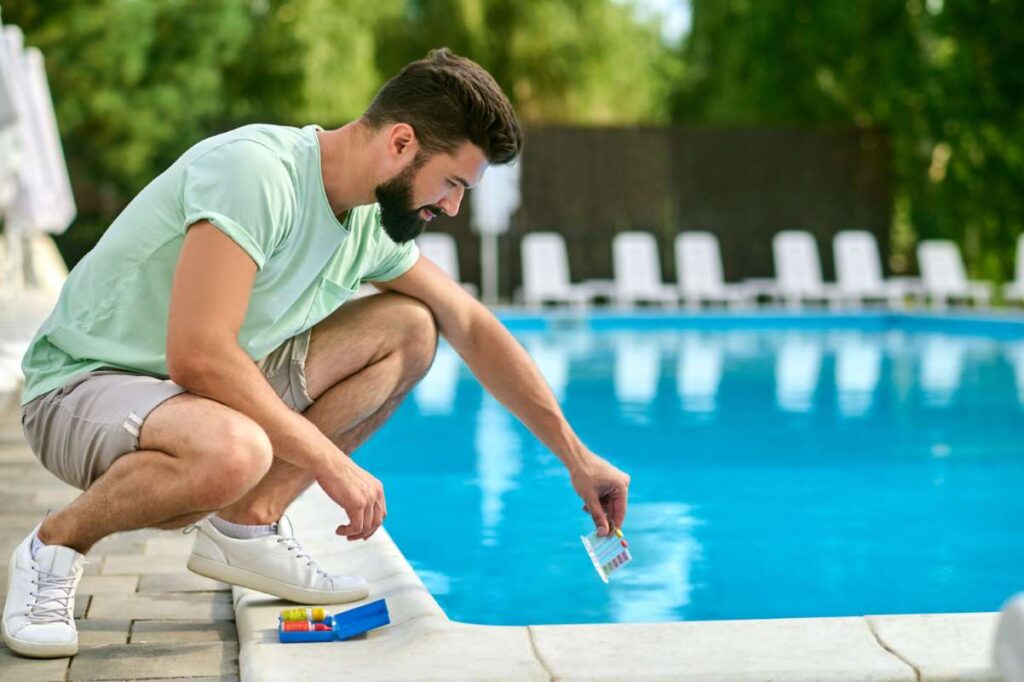
One of the most effective ways to prevent chlorine drop is by maintaining proper chemical balance in your pool. Regularly testing your pool water allows you to monitor pH levels, alkalinity, and stabilizer concentrations. A pH level between 7.4 and 7.6 ensures maximum chlorine efficiency and minimizes its degradation.
Alkalinity acts as a buffer, helping to stabilize pH levels and protecting chlorine from being depleted quickly. Keeping total alkalinity between 80 and 120 ppm is ideal. If these levels are off, consider using pool chemicals to restore balance. Additionally, adding a chlorine stabilizer, such as cyanuric acid, can help shield chlorine from sunlight degradation, preserving its effectiveness even during cloudy days.
Moreover, it’s beneficial to shock your pool regularly, especially before and after overcast periods. Shocking the pool involves adding a high dose of chlorine to eliminate contaminants quickly. This practice can replenish chlorine levels and ensure your pool remains clean and safe for swimmers.
Implementing Regular Maintenance Practices
Routine maintenance is vital for pool health, particularly during overcast weeks. Regularly cleaning your pool helps remove debris that can consume chlorine and reduce its effectiveness. Vacuuming, skimming, and brushing the pool walls and floor should be part of your weekly regimen.
Investing in a quality pool cover can also be a game-changer during cloudy periods. A cover prevents debris from entering the pool, thus reducing the load on your chlorine levels. Moreover, it helps trap heat, keeping the water warmer, which is beneficial for chlorine retention.
Additionally, consider using a pool ionizer or saltwater chlorine generator. These systems can continuously produce chlorine as needed, maintaining consistent levels even during periods of low sunlight. This proactive approach to maintenance ensures that your pool remains inviting and safe for use.
Utilizing Alternative Sanitization Methods
To combat chlorine drop effectively, many pool owners are exploring alternative sanitization methods. One popular option is the use of mineral systems, which utilize natural minerals to disinfect the water. These systems can significantly reduce the need for chlorine while still maintaining water clarity and safety.
Moreover, UV systems can also be integrated into your pool’s filtration system. UV light effectively neutralizes bacteria and algae, providing an additional layer of sanitation that works in tandem with chlorine. Installing these systems can relieve some of the pressure on chlorine levels, especially when sunlight is scarce.
Each of these options offers unique benefits and can complement traditional chlorine systems. When considering these alternatives, it’s essential to consult with pool professionals to determine the best fit for your specific needs.
Monitoring Environmental Factors and Pool Usage
The usage of your pool can also impact chlorine levels significantly. During overcast weeks, pool attendance may fluctuate. If fewer swimmers are using the pool, it can lead to a buildup of organic materials, which can consume chlorine and affect water quality. Regularly monitoring how often your pool is used and adjusting your chlorine levels accordingly is important.
Furthermore, environmental factors such as wind and rain can introduce contaminants into your pool. After heavy rainfall, it’s advisable to check chlorine levels and perform necessary adjustments. If your pool is exposed to trees or plants, consider trimming back foliage to reduce debris falling into the water.
Keeping an eye on the forecast can also help you prepare for potential chlorine drops. By anticipating cloudy days, you can preemptively adjust your chemical treatments, ensuring your pool remains balanced and clean.
Conclusion
Preventing chlorine drop during overcast weeks requires a proactive approach to pool maintenance and chemical management. By understanding the dynamics of chlorine in relation to environmental factors, maintaining proper chemical balance, implementing regular maintenance practices, and utilizing alternative sanitization methods, you can effectively safeguard your pool’s health.
Staying vigilant about your pool’s chemistry will not only enhance water quality but also ensure a safe swimming environment for you and your family. Whether you’re a seasoned pool owner or just starting your journey, taking these steps will empower you to thrive in the pool maintenance industry.
For those looking to expand their pool service business, consider exploring [Pool Routes for Sale](https://pool-routes-for-sale.com/) to connect with established routes and gain insights that can help you thrive as a pool service entrepreneur. Start your journey today and enjoy a crystal-clear pool, no matter the weather!