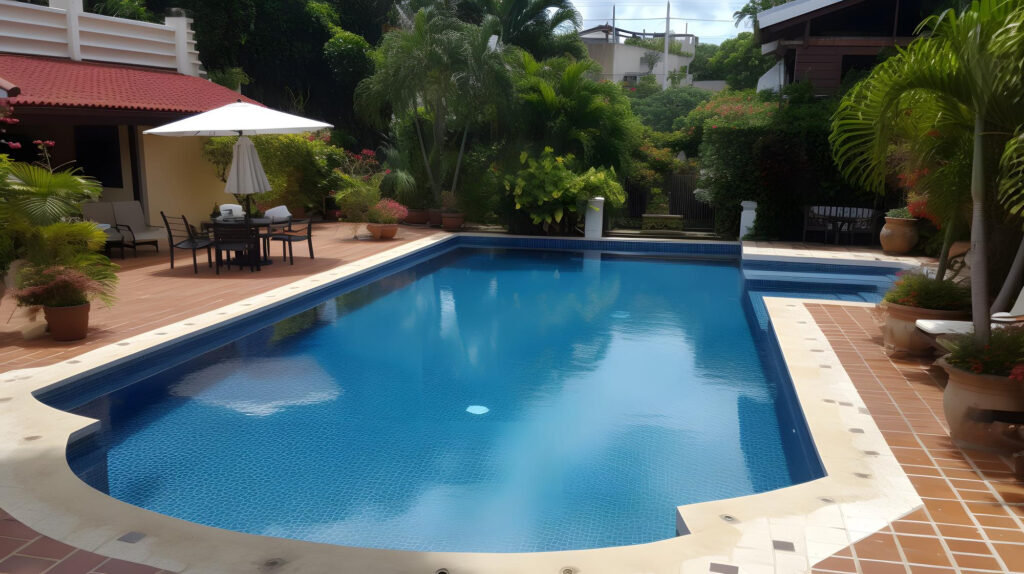
Discover the reasons why maintaining water balance can be a challenge for homeowners. Learn practical tips and expert insights to achieve optimal water quality.
Why Some Homeowners Struggle to Maintain Water Balance
Water balance is crucial for homeowners, especially those with swimming pools, spas, or even small ornamental ponds. Proper water chemistry not only ensures a safe swimming environment but also extends the life of pool equipment and enhances the overall enjoyment of these outdoor spaces. This blog post will delve into the common challenges that homeowners face in maintaining water balance, including misconceptions, lack of knowledge, and environmental factors. We will also provide practical tips to help homeowners achieve and maintain optimal water quality.
In the world of pool maintenance, water balance refers to the proper chemical composition of pool water, including pH, alkalinity, and calcium hardness levels. Balancing these elements is essential to prevent issues such as algae growth, skin irritation, and equipment damage. Despite its importance, many homeowners find it challenging to achieve the right balance. This article will explore the reasons behind these struggles and offer actionable advice to overcome them.
Understanding Water Chemistry
One of the primary reasons homeowners struggle with water balance is a fundamental lack of understanding of water chemistry. Many do not realize that the pH level, which measures how acidic or alkaline the water is, plays a significant role in overall water quality. The optimal pH level for swimming pools is typically between 7.2 and 7.8. If the pH is too low, the water becomes acidic, which can lead to corrosion of metal fixtures and skin irritation. Conversely, if the pH is too high, it can hinder chlorine effectiveness and lead to cloudy water.
Alkalinity, which acts as a buffer for pH levels, is another critical component of water chemistry. Proper alkalinity levels should range between 80 and 120 parts per million (ppm). Homeowners often overlook this important aspect, leading to fluctuations in pH that can complicate maintenance efforts. Regular testing and adjusting of both pH and alkalinity are essential for maintaining a stable and balanced pool environment.
Common Misconceptions About Water Maintenance
Many homeowners hold misconceptions about pool maintenance that can hinder their ability to maintain water balance effectively. One prevalent myth is that if the water looks clear, it must be well-balanced. However, clear water can often mask underlying chemical imbalances that can lead to future problems. Regular testing is crucial, even if the water appears clean.
Another misconception is that higher levels of chlorine equate to better sanitation. While chlorine is essential for disinfecting pool water, excessive amounts can lead to skin and eye irritation, as well as unpleasant odors. Homeowners should aim for a free chlorine level between 1 and 3 ppm to ensure effective disinfection without adverse effects.
Environmental Factors Impacting Water Balance
Environmental factors can significantly affect water balance, and homeowners must be aware of these influences. For instance, heavy rain can introduce debris and contaminants into the pool, while also diluting the chemicals already present. Similarly, high temperatures can accelerate evaporation rates, leading to fluctuations in chemical levels. Homeowners should regularly monitor and adjust their water chemistry in response to environmental changes, particularly after rainstorms or heatwaves.
Additionally, factors such as the number of swimmers and usage frequency can also impact water balance. Each swimmer brings contaminants into the pool, which can alter the chemical makeup of the water. This is especially true for pools that see heavy use during the summer months. Homeowners should be prepared to test and adjust water chemistry more frequently during peak usage times.
Best Practices for Maintaining Water Balance
To maintain optimal water balance, homeowners should adopt a regular testing and maintenance routine. Testing strips or liquid test kits can be used to measure pH, alkalinity, and chlorine levels at least once a week. Keeping a log of these readings can help identify trends and necessary adjustments over time.
Additionally, homeowners should learn how to properly balance water chemistry. Start by adjusting alkalinity first, followed by pH, and finally chlorine levels. This method ensures that each component works synergistically to maintain overall water quality. Homeowners should also consider using stabilizers to prevent chlorine loss due to sunlight exposure.
Investing in Professional Help
For those who find maintaining water balance too challenging or time-consuming, seeking professional help can be a wise investment. Pool service companies can provide regular maintenance, ensuring water chemistry remains balanced and equipment remains in good condition. Additionally, services also offer consultations and training, empowering homeowners to manage their pools effectively.
Moreover, for those looking to enter the pool maintenance business themselves, purchasing an established pool route can provide immediate income and an existing customer base. Companies like Tower Business Brokers offer various [pool routes for sale](https://pool-routes-for-sale.com/) in Florida and Texas, providing a lucrative opportunity for aspiring entrepreneurs. This allows individuals to step into the industry with a foundation already in place, making it easier to maintain water balance and grow their business.
Seasonal Changes and Water Balance
Seasonal changes can also create unique challenges for maintaining water balance. In colder months, pool usage often decreases, which can lead to a buildup of organic matter and debris. Homeowners should ensure that their pools are properly winterized to prevent chemical imbalance during this period. This includes balancing water chemistry before closing and using winterizing chemicals to protect against algae growth.
In contrast, as the weather warms up, homeowners should prepare for increased pool activity. This means regularly checking water chemistry and adjusting as necessary. Maintaining a clean pool environment during the summer will help reduce chemical imbalances and ensure that swimmers enjoy a safe and pleasant experience.
Leveraging Technology for Maintenance
In today’s digital age, technology can play a significant role in simplifying water maintenance. Smart pool technology, such as automated testing systems and app-connected pool cleaners, can monitor water chemistry and provide real-time feedback to homeowners. These innovations can help streamline the maintenance process and make it easier for homeowners to achieve and maintain water balance.
Moreover, integrating software solutions that provide reminders for regular maintenance tasks can significantly enhance a homeowner’s ability to keep their pool in top condition. With notifications for testing schedules and chemical adjustments, these tools can help reduce stress and ensure that water balance remains a priority.
Conclusion
Maintaining water balance is essential for any homeowner with a pool or water feature, yet it can be a challenging endeavor due to various factors such as knowledge gaps, environmental influences, and common misconceptions. By understanding the importance of water chemistry and adopting best practices, homeowners can overcome these challenges and enjoy a safe and pleasant swimming experience.
Investing in professional help or leveraging technology can also aid in maintaining optimal water quality. Additionally, those looking to enter the pool maintenance industry should consider exploring the various [pool routes for sale](https://pool-routes-for-sale.com/) offered by companies like Tower Business Brokers. By taking proactive steps, homeowners and entrepreneurs alike can navigate the complexities of water balance successfully.