Why Pools in Newer Subdivisions Experience Start-Up Issues
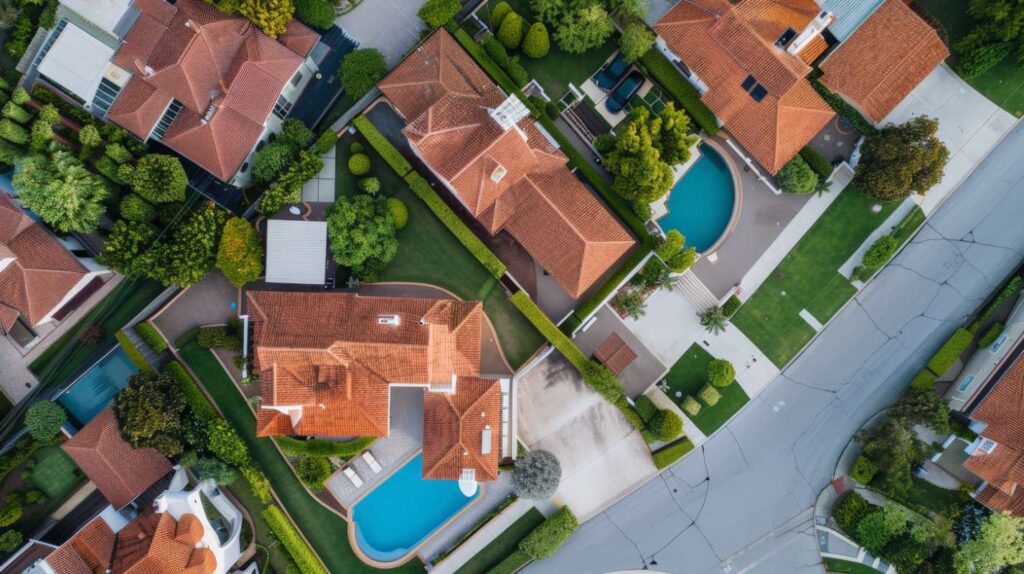
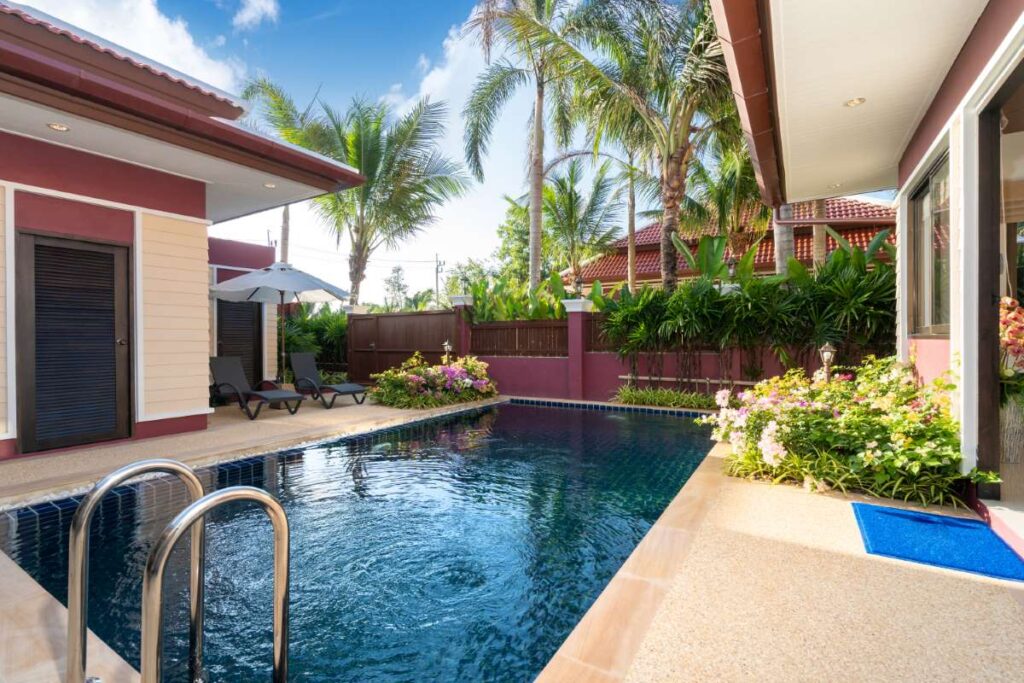
In the rapidly growing landscape of residential communities, many new subdivisions are emerging with an increasing number of private pools. However, these pools often face unique start-up issues that can hinder their usability and maintenance. This blog post will discuss the key reasons behind these challenges, the implications for homeowners, and strategies to mitigate potential problems.
Why Pools in Newer Subdivisions Experience Start-Up Issues
As the trend of suburban living continues to rise, so does the prevalence of private swimming pools in newer subdivisions. While these pools offer homeowners a fantastic way to relax and enjoy their outdoor spaces, they often come with a host of start-up issues that can complicate the pool experience. From construction flaws to lack of proper maintenance systems, understanding these challenges is essential for homeowners and potential buyers alike. In this article, we will explore the common start-up issues faced by pools in newer subdivisions, providing insights into their causes and potential solutions.
Common Construction Flaws
One of the primary reasons pools in newer subdivisions experience start-up issues is related to construction flaws. Often, the contractors tasked with building these pools are under tight deadlines, leading to rushed jobs that may overlook crucial details.
For instance, inadequate drainage systems can result in water pooling around the pool area, promoting algae growth and creating an unsightly mess. Furthermore, improperly installed pool liners or tiles can lead to leaks and structural problems. According to industry experts, it’s vital for homeowners to hire reputable contractors who prioritize quality over speed, ensuring that all aspects of the pool are constructed to code.
Additionally, many new subdivisions are built in areas that may not have been previously developed. This can lead to unexpected soil conditions that affect the long-term stability of the pool. Homeowners must be aware of these potential issues and conduct thorough pre-construction assessments to avoid future headaches.
Lack of Established Maintenance Protocols
Another significant issue facing pools in new subdivisions is the lack of established maintenance protocols. Unlike older communities with a wealth of experience in managing pool facilities, newer subdivisions often lack a clear plan for regular upkeep.
This can result in pools that quickly fall into disrepair, as new homeowners may not be familiar with the necessary maintenance routines. Regular cleaning, chemical balancing, and inspections are essential for keeping a pool in optimal condition. Homeowners must take the initiative to educate themselves about proper pool care or consider hiring professionals to manage maintenance.
Moreover, new subdivisions may not yet have established a community association or management structure, which can complicate collective maintenance efforts. It’s beneficial for homeowners to band together to form a homeowners’ association that can oversee pool care and establish guidelines for usage, ensuring that everyone benefits from the shared resource.
Inadequate Water Supply and Chemical Imbalance
A common concern for new pools is inadequate water supply and chemical imbalance. In some cases, the water supply systems in newer subdivisions may not be fully operational or tested, leading to difficulties in filling pools efficiently.
Moreover, new homeowners may struggle with balancing chemicals in their pools. The initial filling of the pool often requires careful attention to ensure that the water chemistry is suitable for swimming. If not properly managed, this can result in cloudy water or, worse, unsafe swimming conditions.
To mitigate these issues, homeowners are encouraged to work closely with pool service professionals during the initial filling and chemical balancing phases. Regular testing and adjustments will help maintain water quality and extend the lifespan of the pool and its equipment.
Challenges with Equipment Installation
New subdivisions might also experience challenges with the installation of essential pool equipment, such as filters, heaters, and automation systems. When these systems are not correctly installed, they can lead to operational inefficiencies, increased energy costs, and even system failures.
For example, if the filtration system is not adequately sized for the pool’s volume, it may struggle to keep the water clean, leading to a buildup of debris and contaminants. Homeowners should consult with experienced pool contractors to ensure that all equipment is correctly sized and installed according to the pool’s specifications.
Additionally, advancements in technology have introduced smart pool systems that monitor water quality and automate maintenance tasks. However, these systems require proper installation and calibration to function effectively. Homeowners should prioritize hiring professionals who are well-versed in these technologies to avoid complications related to equipment use and maintenance.
Impacts of Climate and Environmental Factors
The geographical location of a newer subdivision can significantly influence pool performance and longevity. Pools situated in areas with extreme climates or environmental challenges, such as heavy rainfall or high humidity, may experience unique start-up issues.
For instance, pools in regions prone to heavy rainfall may require enhanced drainage systems to prevent overflow and flooding. Conversely, pools in arid climates may suffer from rapid evaporation and require additional water supply considerations. Understanding the local climate’s impact on pool maintenance is crucial for homeowners when designing and maintaining their pools.
Homeowners should proactively invest in durable pool covers and consider landscaping solutions that can help mitigate environmental impacts. By taking these steps, the longevity and usability of pools can be significantly improved.
Recommendations for New Homeowners
For homeowners in new subdivisions, navigating the challenges associated with pool start-up is essential for ensuring a positive experience. Here are some practical recommendations:
- Conduct thorough research on contractors to ensure quality construction.
- Establish a homeowners’ association to oversee community pool maintenance.
- Engage with pool service professionals for initial setup and ongoing maintenance.
- Stay informed about local climate impacts and invest in appropriate pool solutions.
- Regularly test water quality and adjust chemical balances as needed.
By implementing these recommendations, homeowners can enjoy their pools without the stress of unexpected issues. Moreover, investing in a pool route can provide immediate income and a loyal customer base for service professionals, making it a lucrative opportunity. Explore [Pool Routes for Sale](https://pool-routes-for-sale.com/) to learn more about available options in your area.
Conclusion
In conclusion, pools in newer subdivisions may face a variety of start-up issues ranging from construction flaws to inadequate maintenance protocols. By understanding these challenges and taking proactive steps, homeowners can enhance their pool experience and avoid costly repairs.
The significance of addressing these start-up issues cannot be overstated, as they impact not only individual homeowners but also the overall reputation of the subdivision. As communities continue to grow, ensuring that pools are built and maintained properly is essential for enhancing property values and homeowner satisfaction.
For those considering entering the pool maintenance industry, investing in established pool routes can provide a stable foundation for business success. Contact Tower Business Brokers today to explore [Pool Routes for Sale in Florida](https://pool-routes-for-sale.com/) and take the first step towards a rewarding entrepreneurial journey.